


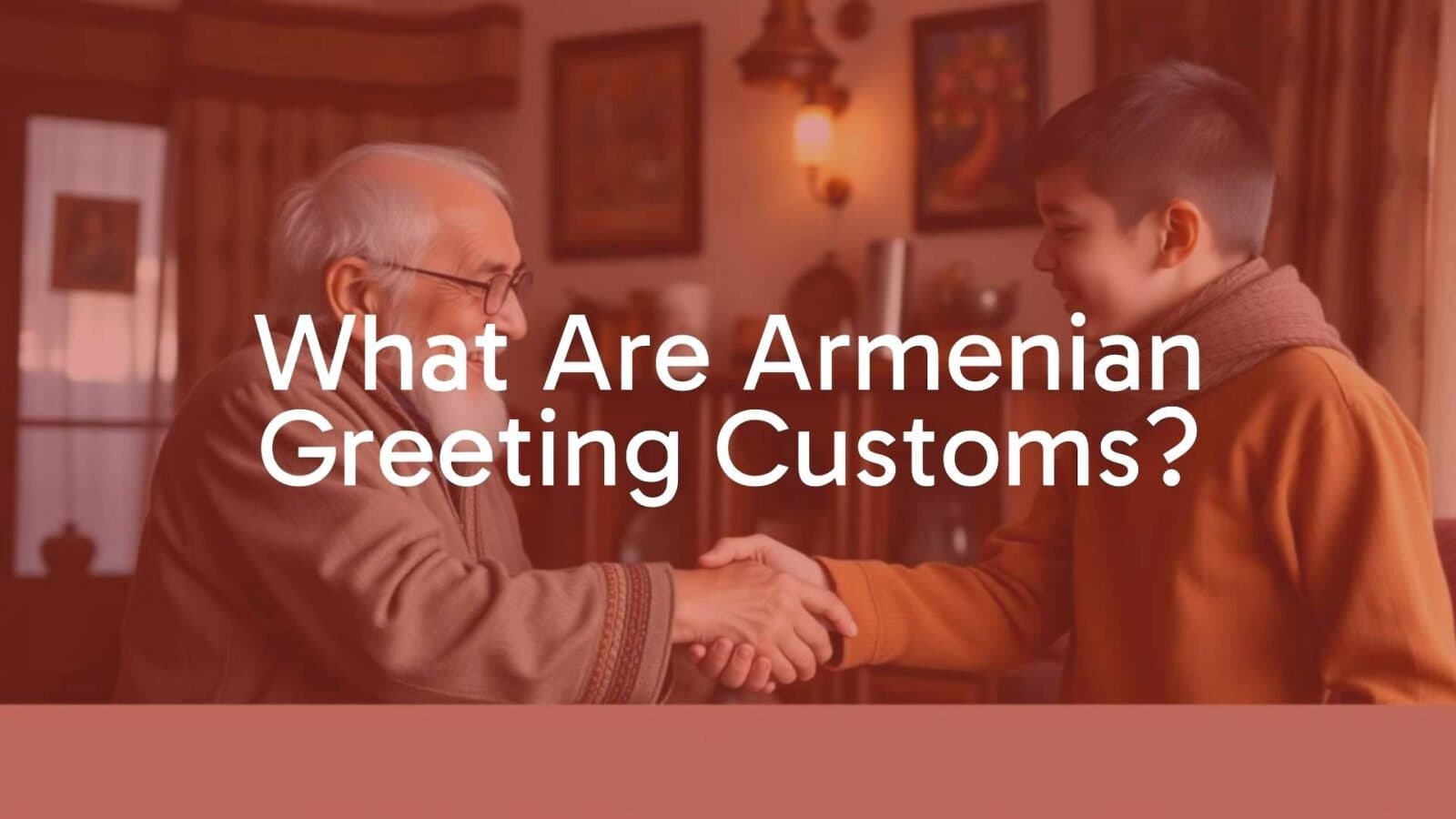
Armenian greetings come from centuries of history, strong family ties, and a warm way of welcoming others. Greetings are more than quick words; they show respect, community spirit, and care. A greeting recognizes a person’s presence, their role, and your relationship with them. This guide explains the main ideas and shows how a simple “hello” can carry many meanings in this old culture.
Armenians are friendly and generous with guests, and their social rules shape how people meet and talk. Their famous hospitality includes clear greeting habits. Visitors who learn them can handle social moments with comfort and build real connections. It is a close look at Armenian identity, where every handshake, hug, and phrase matters.

What Types of Greetings Are Common in Armenian Culture?
Armenian greetings include both words and body language. The choice depends on the place, the relationship, and how formal the situation is. These small choices set the tone of the meeting and show the values of Armenian society.
Verbal Greetings and Common Armenian Phrases
Armenian has several ways to say hello, and each fits a different moment. The basic form is “Բարեւ” (Barev), which means “Hello.” It is casual, often used with friends, peers, or younger people.
In formal settings, or when speaking with elders, strangers, or professionals, “Բարեւ ձեզ” (Barev dzez) is the right choice. It is a polite “Hello” that shows respect. “Ողջույն” (Voghjuyn), meaning “Hi / Greetings,” sits between casual and formal and works in many settings. Time-based greetings add politeness and care: “Բարի լույս” (Bari luys) for “Good morning,” “Բարի օր” (Bari or) for “Good day,” “Բարի երեկո” (Bari yereko) for “Good evening,” and “Բարի գիշեր” (Bari gisher) for “Good night.”
| Armenian | Transliteration | Meaning | Use | Formality |
|---|---|---|---|---|
| Բարեւ | Barev | Hello | Friends, peers, younger people | Informal |
| Բարեւ ձեզ | Barev dzez | Hello | Elders, strangers, work settings | Formal |
| Ողջույն | Voghjuyn | Hi / Greetings | Mixed settings | Neutral |
| Բարի լույս | Bari luys | Good morning | Morning greeting | Any |
| Բարի օր | Bari or | Good day | Daytime greeting | Any |
| Բարի երեկո | Bari yereko | Good evening | Evening greeting | Any |
| Բարի գիշեր | Bari gisher | Good night | Night farewell | Any |
Non-Verbal Greetings: Gestures and Physical Contact
Body language carries a lot of meaning in Armenia. For men, a handshake is most common, especially with new people. A firm handshake works well for first meetings. Close male friends may add a kiss on the cheek after the handshake to show a strong bond.
Women often greet with a hug and a kiss on the cheek, even on a first meeting in more traditional circles. Good friends and relatives of any gender may hug and kiss on the cheek. You will often see friends being physically warm — girls holding hands while walking, or guys with arms around each other. These gestures among friends show care and long friendship, not romance. Between a man and a woman, similar gestures can suggest interest. With elders, a slight nod or small bow of the head adds respect to the spoken greeting and shows the high regard for older people in Armenia.

How Does Formality Affect Armenian Greetings?
Formality matters a lot in Armenian greetings. Knowing the right level helps you show respect and comfort at the same time.
Polite and Formal Greetings
In formal moments, Armenians use a more careful and polite style. “Բարեւ ձեզ” (Barev dzez) is the standard formal “Hello.” The word “ձեզ” (dzez) is the polite form of “you,” and it raises the level of respect. People use it with elders, strangers, professionals, or anyone they do not know well.
Non-verbal signs also support a formal tone. Men often use a firm handshake for first meetings or business. Women may smile and greet verbally first, and physical contact can be lighter than among close friends. With elders, a slight nod or gentle bow of the head adds respect and matches the strong value placed on senior members of the family and community.
Casual and Informal Greetings
In relaxed settings among people of similar age or those who know each other well, greetings are easygoing and often more physical. “Բարեւ” (Barev) is the standard informal “Hello” for friends, relatives, and younger people.
Touch is common in casual greetings. Close male friends may move from a handshake to a hug and a cheek kiss. Women often hug and kiss on the cheek, even when meeting through a casual social group. This open warmth shows the strong value of friendship and closeness. Holding hands, linking arms, or casual touches among friends are normal signs of care in Armenian life.
How Do Age, Gender, and Status Influence Greetings?
Age, gender, and social status shape both the words and gestures used during greetings in Armenia. These factors guide tone, body language, and the level of respect shown.
Generational Differences in Greeting Customs
Younger people are expected to show respect to elders, which often means using “Բարեւ ձեզ” (Barev dzez) even when the situation is not strictly formal. Elders may speak more casually to younger people, but younger people keep a respectful tone in return.
Change is faster in cities, so urban areas may show a softer version of older rules, while rural areas keep traditions strong. Still, respect for age and experience remains central across the country and shapes how greetings work between generations.
Respectful Practices Toward Elders
Respect for elders is very important in Armenia. A formal greeting like “Բարեւ ձեզ” is common when speaking with an older person. A slight nod or small bow adds to the respect and recognizes the elder’s role and experience. Younger people often wait for the elder to start a handshake or other touch, especially when a woman greets an older man in traditional settings. This patience shows care and regard.
In families, children and young adults learn to greet grandparents, aunts, and uncles warmly, sometimes with a kiss on the hand or cheek. These habits support strong family ties that remain central in Armenian life. The careful attention given to elders during greetings shows how highly they are regarded.

Gender Norms in Greeting Etiquette
Gender also affects greeting style, though it depends on how well people know each other and the place. Between men, handshakes are standard for first meetings. Close male friends may add a cheek kiss to show friendship. This is normal and friendly.
Women often greet with hugs and cheek kisses, even on first meetings in traditional circles. When a man and a woman meet, the style can be more careful. In many rural areas, a woman may wait for a man to offer a handshake. In modern urban areas, these lines can be more flexible. Respect and a suitable physical distance usually guide mixed-gender greetings until there is a closer relationship.
Greeting Customs for Special Occasions in Armenia
Special events in Armenia carry deep tradition, and greetings play an important part in marking these moments. Joyful days and solemn times each have their own tone.
Weddings and Major Celebrations
Armenian weddings are big, joyful events full of custom. Guests greet the newlyweds and their families with warm wishes, hugs, cheek kisses, and handshakes. The mood is shared happiness, and greetings reach far beyond the close family to distant relatives and friends.
At the reception, greetings often become louder and more lively. People greet many others, and the whole group joins in the joy. Even car honking can serve as a public sign of celebration — a way to greet the wedding procession on the street. These customs build community spirit and shared joy.

Religious Holidays and Festivities
Armenia adopted Christianity as a state faith in 301 AD, and many holidays include special greetings. During Easter or Christmas, people may say “Christ is Risen!” (Քրիստոս հարյավ ի մեռելոց! – Kristos haryav i merelots!) with the reply “Blessed be the Resurrection of Christ!” (Օրհնյալ է Հարությունը Քրիստոսի! – Orhnyal e Harutyun Kristosi!). These phrases reflect shared belief and tradition.
Some celebrations have older roots, like Vardavar, a water festival with a playful spirit. Greetings during such days feel open and communal, and people greet a wide circle. The Armenian Apostolic Church has a strong place in public life, and greetings during church holidays reflect respect for that role.
Funerals and Mourning Rituals
During funerals and mourning, greetings are quiet and respectful. People share condolences with soft words, a gentle handshake, or a light touch on the arm. The focus is on care for the grieving family.
One Armenian custom places the lid of a coffin outside the home of the person who died. Armenians see this and know a loss has happened in that house. It sends a silent message to the neighborhood to keep quiet and show respect nearby. This non-verbal sign invites calm behavior and support.
How to Respond to Armenian Greetings
Replying the right way shows good manners and respect. The main rule is to match the tone and formality of the greeting you receive.
If someone says “Բարեւ” (Barev), reply with “Բարեւ.” If you hear “Բարեւ ձեզ” (Barev dzez), answer with the same phrase to keep it polite. After “hello,” people often ask how you are. For the informal “Ինչպես ես?” (Inchpes es? — How are you?), a good reply is “Լավ եմ, շնորհակալություն” (Lav em, shnorhakalutyun — I am fine, thank you). For the formal “Դուք ինչպես եք?” (Duk inchpes ek?), you can give the same reply. Many people also say “merci” for “thank you” in casual talk. So “Lav, merci!” works well and sounds friendly.
Match the physical greeting too. If a close friend hugs and kisses your cheek, do the same. If you get a formal handshake, return it firmly. With elders, keep a respectful tone and add a slight nod. Matching the other person’s style shows that you are paying attention and that you respect Armenian social habits.
Tips and Recommendations for Greeting Armenians
Armenian greeting customs may feel new at first, but a few simple steps will help you greet people with confidence. Armenians are warm and usually forgive small mistakes, and they may kindly guide you if needed. Making an effort will help your visits and talks go smoothly.
Cultural Sensitivity and Avoiding Common Mistakes
- When unsure, choose the polite form. Use “Բարեւ ձեզ” (Barev dzez) with elders, strangers, or in formal places.
- Avoid being too casual too fast, especially in traditional or rural settings.
- Let locals set the level of touch. A handshake is always safe for first meetings with men. For women, hugs and cheek kisses are common, but watch the other person’s cues.
- Friendly touch between same-gender friends is normal and not romantic.
- Do not be surprised by personal questions. They often show care and interest, not rudeness.
Adapting Greetings for Travelers and Expats
- Learn key phrases: “Բարեւ ձեզ” (Barev dzez), “Բարեւ” (Barev), “Ինչպես եք?” (Inchpes ek? — formal), “Ինչպես ես?” (Inchpes es? — informal), “Լավ եմ, շնորհակալություն” (Lav em, shnorhakalutyun). “Merci” is fine in casual talk.
- Watch how locals greet people of different ages and genders at work, at home, and on the street. Follow what you see.
- Be open to warmth. Invitations to visit, eat, or look around are usually genuine welcomes with no strings attached.
- Keep in mind the core values: strong family ties, respect for adults, and gentle care for children. Joining in with this spirit will make your time in Armenia richer and more memorable.













Leave a comment