

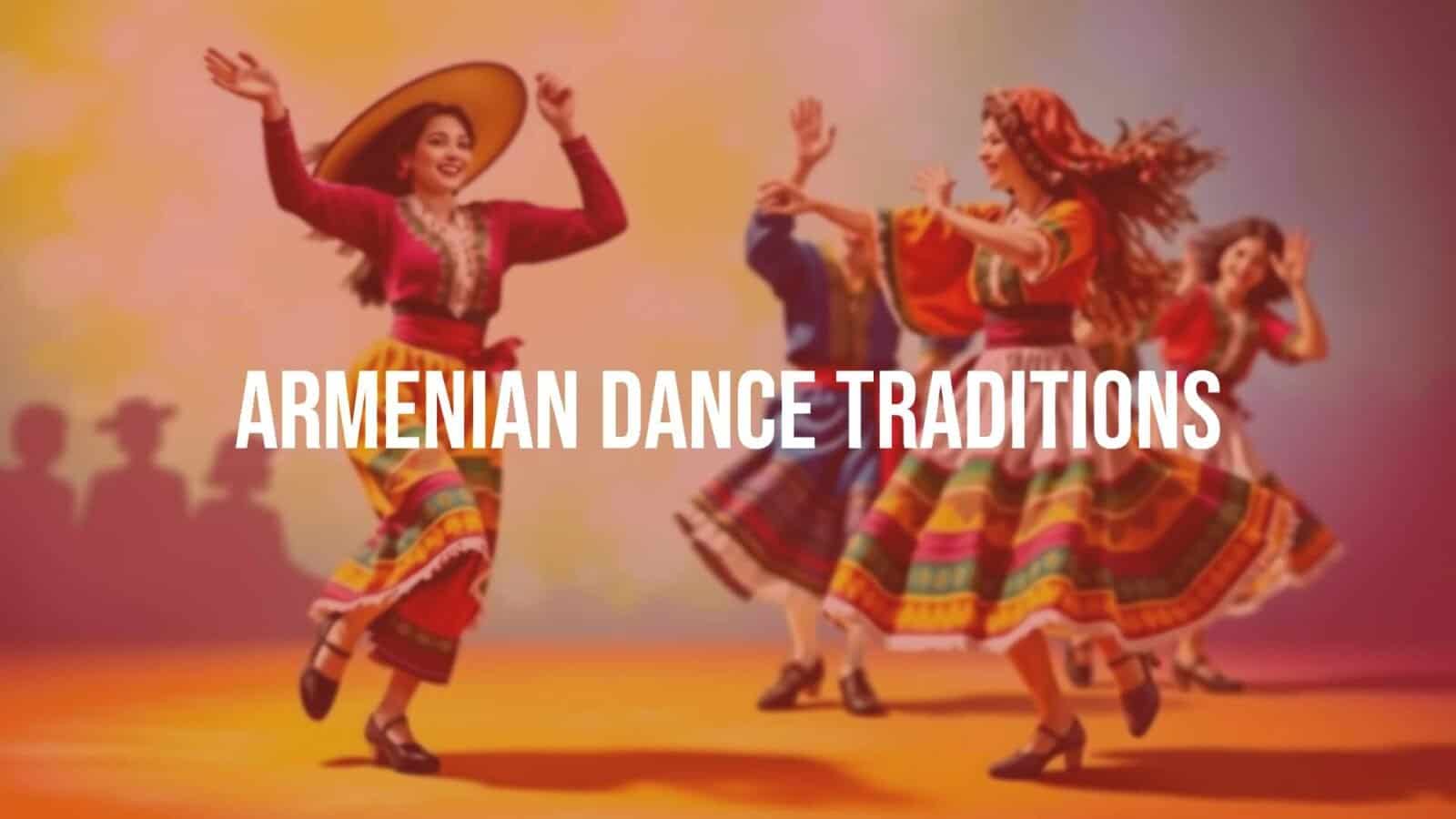
Armenian dance traditions grew over thousands of years from history, faith, and community life. They are more than movements. They express the Armenian spirit and keep a rich culture alive through many hardships. From old rituals to modern parties, these dances act like a living record, sharing the experiences, values, and hopes of Armenian people.
They go back to the fifth to third millennia B.C. Rock paintings on the land of Ararat show country dance scenes. Many view Armenian dance as the oldest and most varied in the region. These early dances, likely done with songs and instruments, set the base for the detailed and expressive forms we see today. Each step, gesture, and group shape carries meaning and links today’s dancers and audiences with their ancestors and the long story of their homeland.
What are Armenian dance traditions?
How do Armenian dance traditions reflect cultural heritage?
Armenian dances reflect the deep roots of the nation’s culture. With a history of about three thousand years, Armenia holds strong traditions, and its folk dances show this lasting legacy. Each regional style and each movement holds meaning from old rituals, beliefs, and shared memory.
The grace and power in these dances are more than looks. They show the resilience and spirit of a people who faced many trials. In hard times, Armenian dances helped keep the national spirit, reminding people of their love for their land. Every step and expression recalls the brave past and steady mindset of Armenians, creating a continuous story across generations.
What are the main characteristics of Armenian dances?
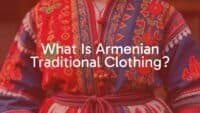
Armenian dances blend expressive movements, meaningful group shapes, and close ties to music. Many are performed in taraz, the traditional dress. The rich designs, colors, and beadwork are part of the show, like a “second melody” that links movement and tradition, carrying family and local stories.
Movements range from lively and fast to slow and refined. Martial dances may use masks or knives. Music is inseparable from the dance and is often played on folk instruments.
- Group shapes: circles, lines, and chains
- Tempo: from gentle and flowing to quick and forceful
- Props: masks, knives (mainly in martial dances)
- Dress: traditional taraz with regional patterns
| Instrument | Type | Short description |
|---|---|---|
| Duduk | Wind | Apricot-wood flute with a warm, mournful tone |
| Zurna | Wind | Reed instrument with a bright, piercing sound |
| Dhol | Drum | Double-headed drum that sets the rhythm |
In the past, men and women often danced different roles. Today, people of any age, gender, or background take part. The dances show a full way of life, with history, values, prayers, joy, and sorrow all in motion.

Why are Armenian dance traditions important?
Fostering cultural identity and unity
Armenian dances help build a strong sense of identity and unity in Armenia and across the diaspora. Komitas, the priest and ethnomusicologist, noted that dance shows the character, customs, and cultural level of any nation. For Armenians, dance is a key way to keep and celebrate their heritage. It holds shared memory and connects people to their past, strengthening a clear sense of being Armenian.
Performing and even watching these dances creates a strong feeling of community. This is especially important in hard moments, when shared dance can inspire, support, and bring people together across borders. For Armenians abroad, where “homeland” may feel layered or far away, dance offers a direct link to their roots and a physical and emotional way to stay connected to Armenia.
Promoting social connection and intergenerational learning
Armenian dances also support social bonds and learning across generations. They are group-based and common at weddings, festivals, and other gatherings. They bring together people of all ages to meet, share, and bond.
- Family events: weddings, baptisms, reunions
- Public events: festivals, holidays, concerts
- Community spaces: halls, schools, cultural centers
Often, families and communities teach dances informally, with elders guiding younger people. This strengthens family ties and keeps steps, rhythms, and meanings alive. In circle dances like the shurchbar, a song leader starts and others follow, adding personal style. Today, dance schools and ensembles also teach in a more formal way so that these traditions keep growing.
How have Armenian dance traditions evolved over time?
Influence of ancient rituals and religion
Armenian dance has ancient roots tied to early rituals and beliefs. Rock paintings from the fifth to third millennia B.C. in highland Armenia show scenes of country dancing, proving dance was part of life long ago. In the 1st century BC, Plutarch wrote that Armenians built amphitheaters for rituals and dances, showing the public value of dance.
Religious dancing began early as a strong way to express inner feelings. These dances came with songs, clapping, and instruments, forming a whole experience. People danced to show life’s cycles, ask gods for help, or give thanks. Movements held symbols: circles meant eternity; moving in certain directions could mean prosperity or mourning. People treated these dances very seriously, believing mistakes might anger the gods.
Impact of the Soviet era on Armenian dance
The Soviet period brought big changes to Armenian dance. Authorities tried to standardize and sometimes blend traditions, yet they also helped protect and professionalize dance. State folk ensembles grew and staged Armenian dances for large audiences. While aiming for authenticity, some shows adapted steps for the stage and added ballet style or story lines.
In the 1920s and 1930s, teachers like Madame Yelena, Madame Coronelli, and Sarkis Djanbazian moved from the Soviet Union to Iran and opened schools that taught both ballet and character dance. Most students were Armenian, but Muslims, Jews, Baha’is, and Zoroastrians also joined. This period shows how preservation and change worked side by side, as dances were kept and reimagined in new settings.
Armenian dance in the diaspora and global community
The Armenian diaspora, one of the oldest known, helped keep and grow dance traditions. Facing questions of identity and belonging, Armenians abroad used music and dance to build communities and stay connected to their roots. Traditional dancing remains popular among expatriates, keeping memories and links to heritage alive.
Diaspora dance takes many forms: staged shows, ethnographic revivals, and social circle dances like shurchbar at parties. Groups such as the Lernazang Ensemble in Los Angeles teach and perform ethnographic dance with a focus on community. Dancing with music creates a strong emotional link to a faraway land, helping people “feel” Armenian. Armenian dances have also spread into international folk and circle dance groups around the world.
What are the primary types of Armenian dances?
National and folk dances
National and folk dances are the base of Armenia’s dance culture. They reflect daily life, thought, and attitude to nature from ancient times. Over 35 folk dances are preserved, and each region has its own style and set of dances, forming a colorful mosaic.
Many, like Kochari, have become national symbols seen at events, festivals, and family gatherings. Group forms, often in circles or lines, build unity and shared identity. Movements can be strong and energetic or soft and graceful. The duduk, zurna, and dhol shape the sound and rhythm that guide the steps.
- Kochari
- Tamzara
- Shalakho
- Yarkhushta
- Berd
- Uzundara
Religious and ritual dances
Armenian dance began in religious and ritual settings in pagan times. These were not just for fun but served as ceremonies to seek blessings, give thanks, or mark major life moments. Symbolism was key: circles pointed to eternity; moving to the right meant good luck and prosperity; moving to the left could mean loss or grief.
People danced at yearly feasts, weddings, and even funerals. In ancient times, dancers treated rituals with great care, fearing any mistake could anger the gods. While many dances later lost open ritual meaning, their shapes and gestures still echo old beliefs.
Military and heroic dances
Military and heroic dances aim to lift fighting spirit and honor bravery. People danced them before battles to inspire soldiers, after victories to celebrate, and after defeats to mourn. They were not only for warriors; civilians, both men and women, joined in to send off troops, greet them on return, or show support when soldiers were away.
Yarkhushta, from Taron and Aghdznik in Western Armenia, is a clear example. The name may mean “comrade-in-arms.” The dance has quick moves, high jumps, and kicks. Dancers rush toward each other and clap palms hard, like a weapon clash. Another famous dance is Berd, “fortress,” where a ring of men stands on the shoulders of another ring, turning like a human stronghold. These dances show the lasting strength and courage of Armenians.

Mourning and lament dances
Some Armenian dances express grief. In ancient times, they were part of funerals. During droughts and crop failure, some mourning dances moved to the left, a sign of bad luck and loss. People called these “dances of drought” or “reverse dances.”
There was also a custom to help families leave mourning. One or two months after a death, friends and relatives gathered, visited the home, and encouraged the family to eat, drink, and dance. This act marked the end of mourning and helped the bereaved move forward. Military dances could also appear at the funerals of soldiers or people tied to the army, joining honor with remembrance.
Wedding and celebratory dances
Weddings and other parties bring Armenian dances to life. They mark new beginnings, unity, and the flow of life. Tamzara, from Western Armenia, is a well-known circle dance for men and women, with crossing steps and swinging arms, often with dhol and singing.
Harsnapar, the “Bride’s Dance,” is a solo by the bride, sometimes with bridesmaids, marking her entry into married life. Uzundara, also called the “Bride’s Dance” in Artsakh (Eastern Armenia), can be a solo or group dance by women. Its snakelike hand movements come from old myths about a four-headed snake. One head, harmless, stood for Armenia. These dances entertain and also reinforce social ties and shared values at celebrations.
Which regional styles define Armenian dance traditions?
Dances from Eastern Armenia
Armenia’s varied landscape shaped distinct regional styles. Eastern Armenia, including Artsakh (Nagorno-Karabakh) and today’s Republic of Armenia, has a rich set of dances that reflect local history and stories. Uzundara, the “Bride’s Dance” from Artsakh, is a graceful solo with flowing, snakelike hands linked to old beliefs.
Many dances appear across Armenia, but rhythm, steps, and music can change by region. Local instruments, folklore, and past events give Eastern Armenian dances their own flavor. These styles often highlight group work and storytelling through movement, engaging both dancers and onlookers.
Dances from Western Armenia
Western Armenia, now mostly within modern Turkey, gave rise to many core Armenian dances. Even after displacement, these dances survived and grew, especially in the diaspora. Yarkhushta, a martial clap-dance with strong moves, comes from Taron and Aghdznik, and has links to Sasun, a place known for resistance.
Tamzara also began in Western Armenia, often seen at weddings. Kochari, perhaps the most famous Armenian dance, has roots in the highlands of Western Armenia. It started as a war dance, inspired by rams fighting. When many Armenians left Western Armenia, they carried these dances to today’s Republic of Armenia and across the globe, keeping them alive as a shared cultural treasure.
Distinct characteristics of regional styles
Regional differences are more than surface details. Geography, neighbors, and local customs shaped them. While circles and strong musical ties appear everywhere, the details vary. Some areas favor more acrobatic or forceful moves, especially where warrior stories are strong. Others lean into elegance and lyrical storytelling.
Instrument choices can shift by region, with preferred types of duduk, zurna, or dhol creating a special local sound. Costumes also show origin, with unique patterns, colors, and trim. In the 1970s, the Lind-Sinanians recorded Armenian-American party dances and found many variants tied to regional roots and closeness to Western Armenian traditions. Together, these styles form a wide, living picture of Armenian culture.
What are the most famous traditional Armenian dances?
Kochari
Kochari (Քոչարի) is likely the best-known Armenian dance and a strong symbol of national identity. Many believe it is one of the oldest Armenian dances, with roots in pagan times and links to the sign of Aries. It is a lively group dance for men and women, often in a circle with hands on shoulders. The zurna melody is easy to recognize.
Kochari began as a war dance in the highlands of Western Armenia, modeled on rams fighting. It marked victory and was once mostly for men, but by the 19th century it became common for everyone. In 2017, UNESCO added Kochari to the Intangible Cultural Heritage List for building shared identity and keeping historical memory. A famous moment: Armenians danced Kochari at the Reichstag on May 9, 1945, to celebrate victory.
Yarkhushta
Yarkhushta (Յարխուշտա) is a bold martial dance from Western Armenia, especially Taron, Aghdznik, and Sasun. The name may mean “comrade-in-arms.” It is usually danced by men with fast steps, high jumps, and kicks, to the strong beat of dhol and the bright sound of zurna, once likely with war cries.
Two rows of dancers rush at each other and clap palms hard, like a clash of weapons. The moves suggest soldiers and hunters-quick, fierce, and powerful. Unlike Kochari, Yarkhushta needs training because of its demanding technique. Stories say enemies turned back just from its sound and sight. Many scholars say it changed little over centuries, keeping its meaning as a sign of Armenian strength.
Shalakho
Shalakho (Շալախօ) is an energetic dance known across the Caucasus, with Armenian versions. It was often a men’s dance in studios, while women joined at public gatherings. A common theme shows two or more men playfully “competing” to win a woman’s attention, sometimes with swords or sticks. Men leap, kick, and spin with speed, while women use shorter, lighter steps.
Zurna music drives the lively 6/8 beat. Shalakho can be fun and teasing. In old customs, a man’s Shalakho could even help him win his beloved’s heart. Today, mixed groups often dance it together, showing its flexibility and appeal.
Berd
Berd (Բերդապար), “fortress,” is a striking military dance. It is famous for a formation where one ring of men stands on the shoulders of another ring, turning as a human fortress. The image signals strength and unity, shaped by a history of defense.
Berd comes from Vaspurakan near Lake Van in Western Armenia. Before it became a dance, it was likely a game called Gmbetakhagh, the “dome game.” Because it is hard to perform and needs skill and practice, it is best for trained dancers. Some accounts say Armenians even formed a three-story human wall during Berd. It shows teamwork, endurance, and shared pride.
Uzundara (Bride’s Dance)
Uzundara, the “Bride’s Dance,” is a well-known solo and festive dance, especially at weddings. It comes from Artsakh in Eastern Armenia. The name means “long valley,” suggesting a path or unfolding story. It is usually danced by the bride or a group of women.
The dance is known for snakelike hand motions. These come from old pagan myths about a four-headed snake. One non-poisonous head stood for Armenia, a friendly nation, while the other two were enemies. Uzundara honors this myth, giving the bride’s dance a layer of history and meaning. It is gentle, expressive, and tied to new beginnings and folklore.
How are Armenian dance traditions practiced today?
Revival and preservation in Armenia
Today, Armenia sees active revival and protection of its dances. Recognizing their value, cultural bodies record, teach, and perform traditional dances so that steps and meanings do not fade. UNESCO’s 2017 listing of Kochari shows this care and highlights its role in shared identity and memory.
Some dances are now secular and part of daily celebrations. Others are brought back with fresh study of their history and ritual roots. These efforts keep Armenian dance alive and growing, linking people today with a deep past.
Teaching Armenian dance in schools and communities
A key part of today’s practice is teaching dance in schools and communities. Across Armenia, classes in schools, cultural centers, and dance academies help young people learn their heritage. Lessons often include history, symbols, and regional styles, not just steps.
Informal learning also thrives. Families hold gatherings, workshops, and share knowledge across generations. Elders teach younger people, keeping the heart of the dances intact. This way of learning builds strong social bonds and love for culture from a young age.
Role of Armenian dance ensembles and festivals
Dance ensembles and festivals play an important role in showing and keeping these traditions, both in Armenia and abroad. Professional and amateur groups carefully research, choreograph, and perform many dances, often wearing taraz. These shows entertain and carry culture onto the stage.
Festivals bring dancers and fans together for shows, workshops, and shared learning. They highlight regional variety and build unity. Groups like the Karin Folk Dance Ensemble in Armenia and the Lernazang Ensemble in Los Angeles teach and perform ethnographic dance for broad audiences, helping Armenian dance speak to people around the world.

Frequently asked questions about Armenian dance traditions
What does participating in Armenian dances symbolize?
Taking part in Armenian dances shows a bond with heritage, community, and identity. Each rhythm and shared step carries the history, values, and spirit of the people. It is a way to express feelings and to link the present with the ancient past.
For many in the diaspora, dancing is a direct way to “feel” Armenian and connect with a homeland that may be far away. It stands for resilience, unity, and a lasting national spirit. Whether it is the circle of Kochari, the martial strength of Yarkhushta, or the grace of a Bride’s Dance, joining in means adding your voice to a long, shared story.
Can non-Armenians learn Armenian dances?
Yes. Armenian dances welcome everyone. Their beauty and clear expression reach across cultures. Many international folk and circle dance groups include Armenian dances in their programs. Learning them is a good path to cultural exchange and respect.
Dance schools, community centers, and online lessons offer guidance, often taught by Armenian teachers happy to share. Knowing the history and symbols helps, but the joy of movement and group spirit are universal. Locals in Armenia often appreciate visitors who try the dances, seeing it as a sign of respect and interest. Anyone willing to learn can take part in Armenian dance.








Leave a comment