


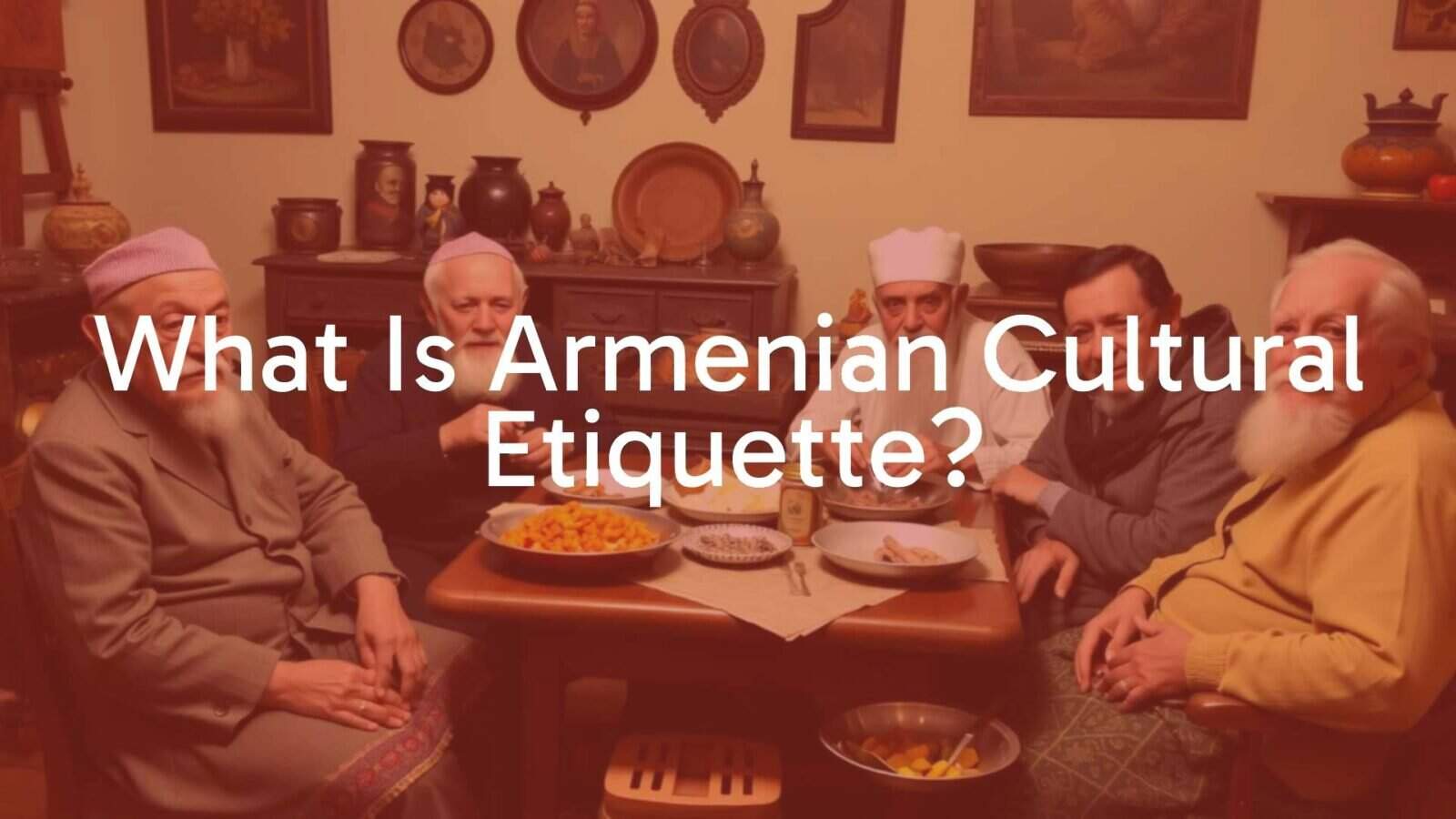
Armenia cultural etiquette is the set of unwritten habits and customs that guide how people act and interact in this very old and tradition-focused country. It comes from thousands of years of history, strong family ties, and a deep sense of community. Learning these details is not just about avoiding awkward situations; it is about showing respect, building real connections, and understanding what truly matters to Armenians.
From greetings and meals to religion and daily talk, Armenian etiquette is built on hospitality, respect for elders, and a shared group identity. It shapes how people speak, celebrate, and even do business. Anyone visiting or living in Armenia will benefit greatly from understanding these basic rules.
Why Respecting Armenian Customs Matters
Respecting Armenian customs goes further than simple politeness; it opens the door to real relationships. Armenians are very warm and welcoming, and they appreciate it when visitors try to learn and respect their traditions. This attitude creates trust, leads to richer experiences, and helps avoid cultural misunderstandings.
If you ignore these customs, even by accident, it can sometimes seem rude. When you show sincere interest and try to adjust, you will quickly notice that the “distance from stranger to friend is very short” in Armenia. Your efforts show that you value their heritage and the unique culture that shapes their lives.
Historical Influences on Armenian Etiquette
Armenian culture has a history of over 3,000 years, and this long past strongly affects its social rules today. Armenia became the first country to accept Christianity as a state religion in 301 AD. This early choice made Christian values a key part of daily life and social behavior. The Armenian Apostolic Church still has a major place in society, guiding family events, holidays, and public behavior.
Over the centuries, Armenians have faced wars, deportations, and genocide, yet they have held tightly to their identity. This struggle strengthened loyalty to family, love for culture, and a strong group spirit. Their pride in their language (with its own alphabet created in 405 AD), traditions, and history can be seen in their manners and customs today.

Key Values and Social Norms in Armenian Culture
Armenian cultural etiquette is built on a few main values that guide everyday behavior. These values are not just ideas; they shape how people live, focusing on community, respect, and lasting traditions.
Learning these basic principles is very helpful for anyone who wants to move through Armenian society with ease and respect. They support everything else, from greetings to the way people mark important life events.
The Role of Family in Armenian Life
Family is the main building block of Armenian society. It is more than just a small unit; it is the central support system for most people. Family usually includes a wide circle of relatives who often live nearby and stay very close. Big life decisions-such as work, marriage, or moving-are rarely made alone, and family approval matters a lot.
Young adults often live with their parents until marriage, and even after that, they keep strong contact with the family home. In some families, the youngest son and his wife live with the parents to look after them in old age. Family gatherings, especially during holidays, bring many relatives together, and talking and eating around the table is a key way to keep relationships strong.
Hospitality and Welcoming Guests
Hospitality, or հյուրասիրություն (hyurasirutyun), is a central Armenian value and is treated almost like a religious duty. Many Armenians believe that guests are a blessing from God, and welcoming them properly brings good fortune to the home. This is not just politeness; it is a deep cultural habit that leads to generous treatment of visitors.
Travelers can expect a very warm reception-in hotels, restaurants, and even on the street. Armenians enjoy sharing their culture and will often invite guests into their homes and offer large amounts of traditional food. Saying “no” to such invitations, or refusing food and drink, can sometimes seem disrespectful, especially in villages. This honest wish to share makes visitors feel truly included.

Respect for Elders and Authority Figures
Respect for older people is a clear and strong rule in Armenian life. Younger people usually greet elders first, offer them their seat, and speak to them politely. When you visit an Armenian home, you should greet the oldest person first to show respect.
This attitude also applies to teachers, religious leaders, and other authority figures. The opinions and experience of older people are taken seriously, and their advice is often followed. This respect helps keep Armenian communities stable and orderly.
The Importance of Religion and the Armenian Church
Because Armenia was the first officially Christian state, religion still plays a large part in daily life. Most Armenians belong to the Armenian Apostolic Church, which has kept its old rituals and ceremonies for centuries. Faith influences moral views, community habits, and the yearly rhythm of holidays and fasts.
Holidays such as Easter and Vardavar (the Feast of the Transfiguration) are major events, usually marked by church services and family meals. The Church is both a spiritual center and a guardian of Armenian identity and tradition. Respecting the role of the Armenian Apostolic Church helps you better understand the spiritual side of Armenian etiquette.
Armenian Greetings and Social Interactions
Social life in Armenia is warm and personal, with clear customs that show respect and friendliness. From the first moment people meet, certain words and gestures are used to signal closeness or formality.
Some of these habits may feel new to visitors, but they come naturally to Armenians and express friendship and trust. Learning a few key points about greetings and behavior will improve your stay and help you connect with locals.
How Armenians Greet Each Other
There are several usual ways Armenians greet one another. A handshake is common in formal situations or when meeting someone for the first time. Within families and among friends, greetings become much more affectionate.
It is normal for people to kiss each other on the cheek. This shows respect, trust, and happiness to meet. Men may greet with strong hugs or pats on the back, while women often exchange light cheek kisses. To outsiders it may seem very close, but in Armenia it is a natural sign of warmth.
Appropriate Body Language and Personal Space
Armenians are open and expressive, and this shows in how they use body language and personal space. People often stand fairly close when talking and usually keep direct eye contact. For someone from a culture with more distance, this may feel a bit intense, but in Armenia it shows honesty and real interest.
Gestures and animated speech are common. Avoid very casual or suggestive body language, especially in conservative places or around older people. A friendly, engaged manner works best.
Politeness, Courtesy, and Addressing Others
Good manners matter a lot in Armenian daily life. When speaking to elders or people in respected roles, you should be especially polite. A common habit is adding the word “jan” after a name (for example, “Anna jan”). “Jan” expresses affection and respect and is used both in families and among friends.
Knowing a few simple phrases, such as “barev” (hello) and “shnorhakalutyun” (thank you)-or “merci,” which many people also use-shows that you respect the local language. Armenians try to avoid rudeness, especially in front of women and older people, so harsh words and raised voices are best avoided.
Visiting Homes: Expectations and Traditions
An invitation to an Armenian home is a special sign of trust and welcome. These visits follow long-standing customs and are one of the best ways to see Armenian life up close. Knowing what is expected will make the visit pleasant and comfortable for everyone.
The home is the center of family life, and respecting home rules matters a lot. From the moment you arrive, your hosts will guide you, but a few points are useful to know in advance.
Shoes-Off Custom and House Entry Etiquette
In most Armenian homes, you should remove your shoes at the door. This shows respect and helps keep the house clean. Guests are often given slippers to wear inside. It may seem like a small thing, but following this habit shows that you accept and respect the household’s way of doing things.
Wait to be invited in and watch what others do if you are not sure. The host will greet you warmly and show you where to go. This first exchange sets a friendly and respectful tone.
Gift-Giving Protocols When Visiting
When you visit an Armenian home, especially for holidays or celebrations, bringing a small gift is very welcome. The value of the gift is not important; the gesture is. Popular choices include sweets, fruit, or a bottle of wine. A small item from your own country is also a nice idea.
Some simple rules apply:
- Bring an odd number of flowers if you choose flowers, as even numbers are linked to funerals.
- Avoid knives or other sharp items, which can be seen as symbols of cutting ties.
When in doubt, chocolates or a dessert are always safe and appreciated.
How Guests Are Treated in Armenian Homes
Guests are treated with great kindness. Many Armenians say, “The guest is from God,” and they act accordingly. Expect a table full of food, often more than you can eat. Hosts will keep offering dishes and drinks to make sure you are comfortable and satisfied. Saying “no” too sharply to food or drink can look impolite, especially outside Yerevan.
Conversations will likely cover family, daily life, and your thoughts about Armenia. Your hosts will be happy to hear your impressions and share their stories. Their goal is to make your visit memorable and pleasant.
Dining Etiquette and Table Customs in Armenia
Eating in Armenia is a social event, not just a way to satisfy hunger. Meals are times to enjoy family, friends, and plenty of food. Armenian tables are famous for their variety and generosity.
From the use of bread to the toasting rituals, every part of the meal has meaning. Expect several courses, a relaxed pace, and a strong focus on togetherness.
Typical Table Manners
Table manners are polite but not overly strict. Food is often served in the middle of the table for everyone to share. There are usually many dishes, and hosts like to see their guests try at least a small portion of each.
Keep your hands visible above the table, but do not lean on your elbows. Cutlery is usually used, but bread and some dishes may be eaten by hand. Mealtimes are lively and full of talk-take your time, enjoy the food, and take part in the conversation.
Bread and Food Symbolism
Bread, especially lavash, has a special place in Armenian culture. Lavash is a thin flatbread baked in a clay oven and is a symbol of wealth and family well-being. It is listed by UNESCO as cultural heritage. Lavash is served with almost every meal, and wasting it or placing it upside down is seen as disrespectful. If you cannot finish it, keep it for later instead of throwing it away.
Other foods also have symbolic meaning. The pomegranate stands for fertility, plenty, and good fortune and appears in art, weddings, and New Year customs. Classic dishes such as tolma (stuffed grape leaves), khash (a rich winter soup), and khorovats (barbecue) are central to gatherings and show the country’s long culinary history.
Toasting Traditions and Rituals
Toasting is an important part of Armenian meals, especially at feasts and celebrations. Often there is a toastmaster, called a tamada, who leads the toasts. The host usually speaks first, and guests are invited to join in, saying “kenatsd!” (to your health) or giving longer toasts.
Wait for the host or tamada to start the first toast before drinking. Each toast may focus on family, friends, health, peace, or Armenia itself. Clinking glasses is a sign of respect and friendship.

When and How to Offer or Accept Second Helpings
Armenian hosts rarely stop at one serving. They will offer you second and even third helpings. Accepting at least a small second portion is a kind way to show that you liked the food and appreciate their effort. A strong refusal can seem like you did not enjoy the meal.
If you really cannot eat more, you can gently refuse by placing your hand over your plate and saying something like “mersi, shat lav er” (thank you, it was very good) while indicating that you are full. The main goal is to show thanks and kindness, even if you say no.
Dress Codes and Attire in Armenian Culture
Clothing in Armenia reflects respect for tradition and social norms. While modern fashion is visible, especially in Yerevan, people generally prefer modest, tidy dress, particularly in villages and religious places.
Armenian clothing traditions are a mix of old and new, influenced by history, religion, and region. Dressing thoughtfully helps you feel comfortable and respectful in different settings.
Dress Modestly: Expectations for Women and Men
Armenia is fairly conservative in how people dress, especially outside the capital. Both men and women are expected to dress modestly in churches, rural areas, and formal situations. For women, it usually means covered shoulders and knees. Very short skirts, low necklines, or very revealing clothes may attract negative attention.
For men, shorts are usually kept for home, sports, or the beach, and not for city streets or offices. In churches, women often cover their heads with a scarf, which some churches provide, and men take off their hats. Simple, neat, smart-casual clothing works well in most places.
Traditional Armenian Clothing for Ceremonies and Festivals
Traditional Armenian clothes, called taraz, are colorful and meaningful outfits worn on special occasions such as cultural festivals and weddings. They show regional styles and local history, often decorated with detailed embroidery and bright patterns.
Women’s taraz usually includes long dresses with patterns that represent nature, such as mountains or the sun, and a headscarf called mendil. Men’s outfits are more strict in line and often richly decorated. In the past, men would also wear a dagger on the belt to symbolize bravery. Seeing taraz during festivals is a strong reminder of Armenia’s cultural roots.
Contemporary Clothing Norms in Public and Private Settings
In modern Armenia, especially in Yerevan, clothing styles are similar to those in many European cities. Young people follow fashion trends, and jeans, t-shirts, and casual dresses are common. Still, people often prefer neat and well-kept outfits rather than very worn or sloppy clothes.
At home, after removing shoes, people dress more comfortably, but when arriving as a guest, your clothes should still be respectful. In offices, professional dress codes are similar to those in other countries: suits or smart outfits are common. Always pay attention to where you are-what works in a trendy city café may not be suitable in a small village or church service.
Celebrations, Festivals, and Special Occasions
Armenian life is full of holidays and special events that mix old pre-Christian customs with Christian traditions. These days bring families and communities together for rituals, food, music, and shared joy.
Joining these events or even just watching them gives great insight into Armenian values and beliefs. Knowing how to behave respectfully helps you take part without causing offense.
Major Armenian Festivals and Their Etiquette
Armenia has many important festivals during the year. One of the most famous is Vardavar, a water festival linked to the Feast of the Transfiguration. On this day people pour water on each other in the streets, symbolizing cleansing and renewal. If you go out, expect to get wet and enjoy it with a smile.
Other important holidays include Trndez (Tyarnndarach), celebrated 40 days after Christ’s birth, when people jump over bonfires for blessings and luck; the Areni Wine Festival, which celebrates Armenia’s ancient wine-making; and Navasard, a traditional New Year celebration. Showing good humor, joining the games, and respecting local customs are all appreciated.
Weddings, Baptisms, and Family Events
Weddings are major life events in Armenia and are filled with old customs. The process often starts with Khosk-kap, when the groom’s family visits the bride’s family to ask for her hand, followed by Nshandreq (engagement), and then the church ceremony and large Harsaniq (wedding reception). Guests can expect many guests, national music and dances, and many toasts. Guests may receive small keepsakes called “tarosik” as symbols of shared happiness.
Baptisms are also important and are often held within a short time after birth. Godparents have a special role and are seen as spiritual guides. In all such family events, guests are usually very well fed and encouraged to join in the singing, dancing, and joy. Bringing a small gift is a kind and expected gesture.
Behaviors to Respect During Religious Holidays
Religious holidays in Armenia have a strong spiritual meaning. On days such as Easter and Christmas, families go to church together and then share festive meals. If you visit a church at any time, wear modest clothes-covered shoulders and knees, and women may cover their heads with a scarf.
Inside the church, stay quiet and respectful. Do not take loud phone calls or talk during services. It helps to know that customs such as liturgy and matagh (a charity ritual involving the blessing and later sharing of food) are deeply meaningful practices, not tourist shows.
Conversation Etiquette and Topics to Avoid
Talking with Armenians is usually enjoyable, as people tend to be open, emotional, and honest. But, like everywhere, some topics need to be handled with care.
Armenians may speak in a very direct way, which might seem forceful to some visitors, but it often shows sincerity. Being aware of sensitive themes helps you avoid hurting feelings.
What Subjects Are Considered Sensitive?
Though Armenians often like open discussion, some areas are private or delicate. Money and personal financial details are usually not discussed openly. When people ask about your opinions of Armenia, focus on what you like rather than criticizing or comparing it harshly with your home country, especially when you have just met.
Success is often viewed as a shared family or community achievement. Talking only about individual success without mentioning the help of others may feel strange to some Armenians.
Political, Historical, and Religious Discussions
History and politics are very important to Armenians, and many are willing to talk about them. But some topics carry a lot of pain, especially the Armenian Genocide and the Nagorno-Karabakh conflict. These are part of family memories and ongoing national concern. If these subjects come up, it is better to listen carefully and respond with sympathy, rather than argue or question people’s experiences.
Religion is also a deep personal matter. Avoid jokes or negative comments about the Armenian Apostolic Church or Christian beliefs. As a guest, your main role is to learn and show respect.
How to Show Appreciation and Disagreement Politely
Showing appreciation in Armenia is simple. Say “shnorhakalutyun” (thank you) or “shat lav e” (it is very good), praise the food, and say kind words about the hospitality. Armenians enjoy friendly chat, so taking part in light conversation is welcome.
When you disagree, stay calm and polite. Armenians may argue energetically with each other, but as a visitor, you will be respected more if you keep your voice even and avoid harsh words, especially in front of older people and women. A clear, respectful explanation of your view is usually accepted.
Workplace and Business Etiquette in Armenia
People doing business in Armenia need to understand work manners as well as social ones. While companies are modernizing, traditional values still shape how people interact at work, especially around hierarchy, trust, and communication.
Handling these work habits well helps build trust, good cooperation, and long-term partnerships in a country where personal relationships often matter as much as written contracts.
Punctuality and Meeting Conduct
Timekeeping can differ between social and business settings. Social events may start later than planned, but for business meetings arriving on time is very important. Being punctual shows respect for others and presents you as serious and reliable.
Meetings usually start formally. Handshakes are normal, and people may address each other by titles at first. Discussions can be careful and detailed, and decisions might take a while, as people weigh the impact on relationships and group interests. Listening well and speaking thoughtfully are appreciated.
Hierarchy and Communication Style
Most Armenian workplaces follow a clear chain of command. Senior managers often make the final decisions, and questioning them openly can be seen as disrespectful. Use proper titles and surnames until invited to use first names.
In business, people can be quite direct and emotional in expressing opinions, but this often signals honesty. As a visitor, keep your tone professional and kind. Taking time to get to know colleagues outside formal meetings can be very helpful, as business often moves more smoothly when there is personal trust.
Gift-Giving and Formal Events in Business Settings
Small gifts can play a role in business relationships, especially when you visit a partner for the first time or after closing a deal. Items from your own country or something thoughtful but modest are suitable. The key is the thought behind the gift, not its cost.
Formal dinners and receptions are often used to strengthen business ties. Expect toasts here too, and join politely. These occasions are good chances to talk on a more personal level and build loyalty and understanding with partners and colleagues.
Common Misunderstandings and Cultural Sensitivity Tips
Adjusting to Armenian culture can involve some mistakes, but most locals are patient and kind. Still, knowing about common errors helps you avoid awkward moments and show more respect.
Approaching Armenia with curiosity and willingness to learn allows you to enjoy the culture more fully and build real friendships.
Frequent Mistakes by Visitors
Some visitors do not realize how central family and community are in Armenia and may treat decisions or plans as purely individual, which can feel strange to locals. Another mistake is talking lightly or without care about the Armenian Genocide or Nagorno-Karabakh. These subjects are very emotional and personal.
Visitors sometimes misread direct speech as anger or rudeness when it is usually just open honesty. Ignoring home customs-like not removing shoes, dressing too casually at serious events, or refusing food sharply-can also be seen as disrespectful.
How to Show Respect and Genuine Interest
Showing respect in Armenia is straightforward. Learn a few key phrases like “barev” (hello) and “shnorhakalutyun” (thank you). People respond warmly when they see you making an effort with the language.
Accept hospitality with good grace, try the food you are offered, and express thanks. Be patient with any slower processes or bureaucracy and use the time to talk and connect. Ask about customs and history in a sincere way. Keep an open mind, and be willing to adjust your own habits slightly out of respect for your hosts.
Frequently Asked Questions about Armenia Cultural Etiquette
Many visitors have similar questions about everyday Armenian customs. Knowing the answers ahead of time can help you feel more relaxed and respectful in social situations.
The following points cover some of the most common concerns travelers have about Armenian etiquette.
Is It Expected to Bring Gifts for Children?
You are not required to bring gifts for children every time, but bringing something small when visiting a family is a kind gesture. It shows that you care about the children and respect the family. Simple toys, sweets, or small items from your home country are usually enough. Armenians are very loving toward children, and attention to them will please their parents.
Should You Tip in Armenia?
Tipping is increasingly common, especially in cities and tourist areas. In restaurants and cafés, many people leave around 10% of the bill as a tip or round up. Some places may already include a service charge, so check the receipt. With taxi drivers, rounding up the fare is usual. While tipping is not always required, it is a polite way to show that you were happy with the service.















Leave a comment