
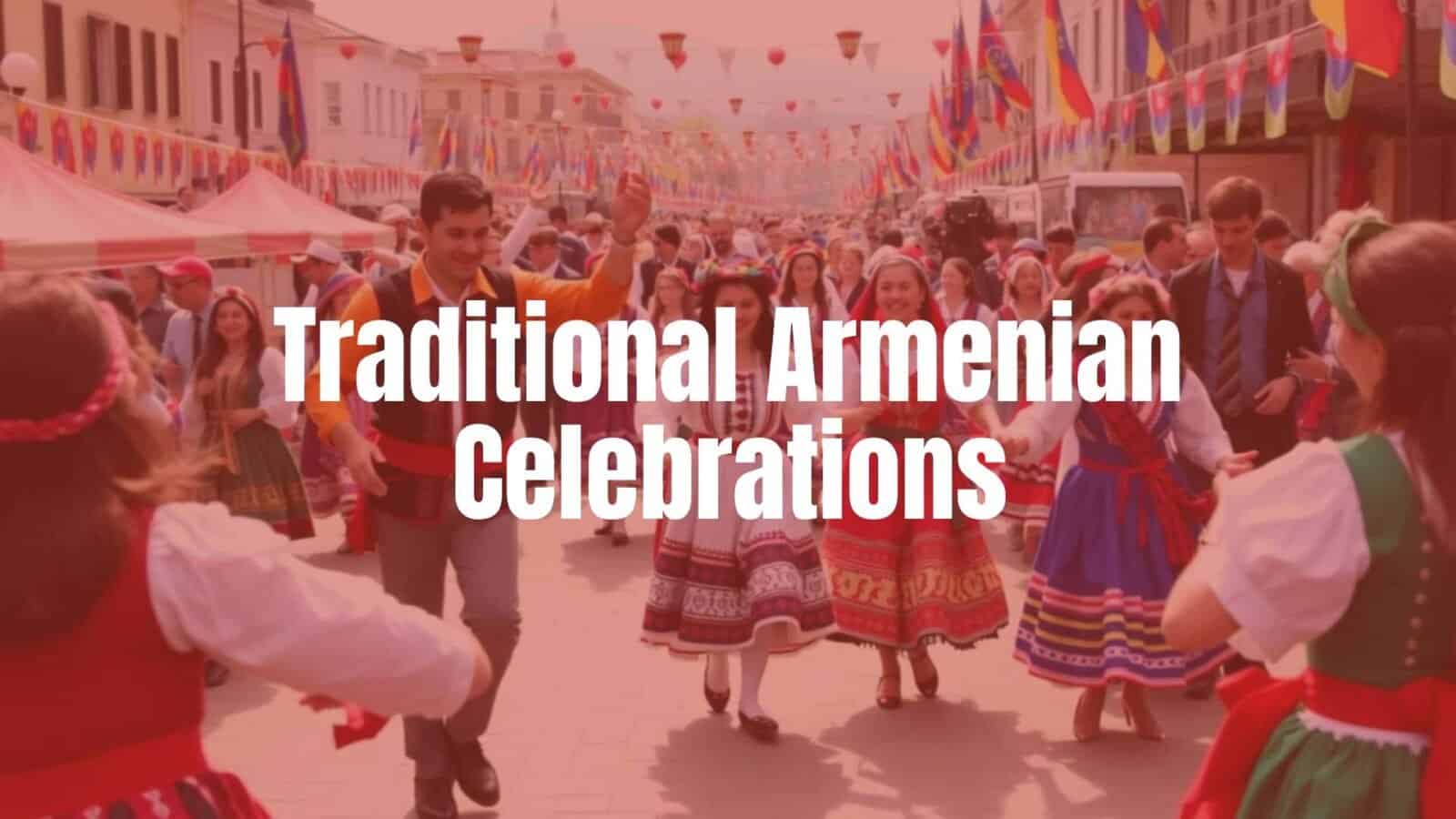
Traditional Armenian celebrations are bright, colorful events shaped by centuries of history, strong faith, and deep love of family and community. They are more than simple dates on a calendar. Each one is a living expression of a people who have survived many hardships, carrying memories from old pagan customs, the early Christian era, and modern times. Through these celebrations, you get a clear view into Armenian life and character, and how strongly Armenians value their roots and enjoy sharing them with others.
What Are Traditional Armenian Celebrations?
Traditional Armenian celebrations bring together old customs, religious practices, and modern national feelings. They cover many kinds of events, from quiet remembrance days to loud, joyful festivals, each telling a different story about Armenia’s past and present. These celebrations focus on community, family, and keeping cultural values alive, linking grandparents, parents, and children through shared habits and memories.
The real strength of these celebrations is how they bring people together. This can happen through common meals, old rituals, or group remembrance. You will usually see bright music, folk dances, special clothes, and plenty of Armenian food. All of these create experiences that are meaningful for Armenians and very interesting for visitors who want to learn more about the country and its traditions.
Why Do Armenians Celebrate These Traditions?
Armenians keep these traditions for many reasons, all tied to their strong connection to history and identity. First, these celebrations help protect and carry on Armenian culture. Over many centuries of war, foreign rule, and suffering, Armenians have used holidays and festivals to keep their language, stories, and customs alive. Every special day works like a living history book, passing values and lessons to the next generation.
These celebrations also bring families and communities closer. Many Armenian holidays are group events, where relatives, friends, and neighbors meet to eat, sing, dance, and support each other. This keeps social bonds strong. Many celebrations are also religious because Armenia was the first country to accept Christianity as a state religion. Christian feasts, often mixed with older pagan elements, offer spiritual comfort and a guide for moral life. They also show how Armenians can accept new beliefs while still respecting very old traditions.
Key Elements of Armenian Celebrations
Several main features make Armenian celebrations unique and easy to recognize.
Food is central. Almost every event includes a big meal: rich New Year tables with roasted pork and dolma, or Easter meals with red eggs and rice pilaf. These dishes are about sharing and hospitality, not just feeding people. Many foods also carry symbols and stories linked to religion and history.
Music and dance are just as important. Folk songs played on old instruments create the mood for gatherings, while dances in colorful costumes tell stories about love, bravery, and daily life. These art forms keep old memories alive and build pride. Hospitality is another key value. Guests are often seen as a “gift from God” and welcomed warmly, with plenty of food and attention. This makes Armenian celebrations open and friendly, so everyone feels included.

Which Armenian Holidays Are Celebrated Annually?
The Armenian year is filled with many holidays that reflect the country’s history, religion, and social life. There are days for mourning, days for joy, national holidays, and church feasts. Knowing these dates helps you understand how Armenian society works and what people value most.
The season of holidays usually starts with New Year and Christmas, a time for family, home, and reflection. As the months go by, different religious and state holidays appear, each with its own habits and meaning. These yearly events help Armenians return again and again to their roots and shared past.
National Public Holidays in Armenia
Armenia has several public holidays that honor important dates in its history and show national pride.
- New Year (December 31-January 2) – A major family holiday, marked by large meals, gifts, and visits.
- Army Day (January 28) – A day off work created in 2001 to honor the armed forces and the founding of the modern Armenian army in 1992.
- International Women’s Day (March 8) – Celebrated with great enthusiasm and followed by a “Month of Women” up to April 7, which ends with Motherhood and Beauty Day. Men give flowers and gifts to women during this period.
- Genocide Remembrance Day (April 24) – A very serious day, when hundreds of thousands walk to the Tsitsernakaberd memorial to place flowers in memory of the victims of the 1915 Genocide.
- Labor Day (May 1)
- Day of “Yerkrapah” and Shushi Liberation Day (May 8)
- Victory Day in the Great Patriotic War (May 9)
- First Republic Day (May 28) – Marks the founding of the First Republic of Armenia in 1918.
- Constitution Day (July 5)
- Independence Day (September 21) – Marks Armenia’s independence from the Soviet Union in 1991.
- Day of Yerevan – Celebrates the capital’s founding in 782 BC, held on the second Saturday of October with concerts, street events, and city-wide activities.
Religious Holidays with Traditional Armenian Customs
Because Christianity has a very long history in Armenia, religious holidays are closely connected with daily life and old traditions.
Christmas is celebrated on January 6 and joins two feasts: the Birth of Christ and His Baptism (Theophany). On Christmas Eve, people attend church and bring candles home, showing that Christ is the light of the world. The Christmas table usually has fish, red wine, and rice pilaf with dried fruits, which symbolize purity and light.
Easter (Zatik) celebrates the Resurrection of Christ. People dye eggs red to remember Christ’s blood and new life. A fun custom is egg-tapping contests. Palm Sunday (Tsakhkazard) uses blessed willow branches instead of palm; people take them home for peace and prosperity.
Trndez, in mid-February, 40 days after Armenian Christmas, is a fire feast with old pagan roots. Young couples and newlyweds jump over bonfires for luck, symbolizing cleansing and a fresh start. Today it is linked to the Presentation of Christ in the Temple and carries Christian meaning.

Blessing of the Grapes is held around August 15, on the Feast of the Assumption of the Virgin Mary. Priests bless grapes as the first fruits of the harvest, and people take them home as a sign of gratitude and blessing.
Modern Holidays Influenced by Tradition
Alongside ancient and church holidays, Armenians also enjoy newer celebrations that often mix modern style with traditional feeling.
New Year’s Eve is one of the biggest nights of the year. Families gather around large tables, and children usually receive gifts on New Year’s Day, a habit from Soviet times. The “Donadzar” (holiday tree) belongs to New Year, not Christmas.
The “Month of Women” from March 8 to April 7 is a modern way of honoring women, but it fits well with the old respect for mothers and family. Armenia also has a growing list of cultural events such as Yerevan Wine Days, jazz festivals, and the Golden Apricot Yerevan International Film Festival. These events might seem modern and international, but many of them use Armenian wine history, music, and art as their base.
International Children’s Day on June 1 is also marked with many programs for kids and families, showing how much Armenians care about children and community life.
What Are the Most Important Armenian Festivals?
Armenia has many famous festivals that stand out for their meaning, history, and joy. They are key moments in the year when people come together, follow old customs, and show what being Armenian means. Some come from pre-Christian times, others from church traditions, but all play a big role in Armenian culture.
Each major festival includes its own symbols, foods, and rituals. Armenians at home and abroad wait for these events with excitement, using them as times of celebration, reflection, and cultural pride.
Vardavar: The Water Festival
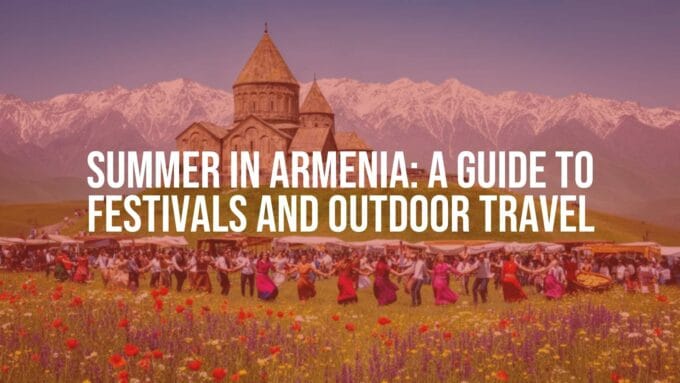
Vardavar is one of Armenia’s most fun and beloved summer festivals. It has roots in pagan times, when it honored Astghik, the goddess of love, beauty, and water. Today, on Vardavar, people of all ages drench each other with water in the streets using buckets, hoses, and water guns. It is held 98 days after Easter and is a perfect way to cool down and enjoy time together.
The church now marks this day as the Transfiguration of Christ, joining Christian teaching about spiritual change with older respect for water and nature. The name “Vardavar” comes from “vard,” the Armenian word for “rose,” from the old custom of offering roses to Astghik. This mix of layers from different eras shows how Armenia keeps old and new traditions side by side.

Trndez: The Fire Festival
Trndez is another old feast that now carries both pagan and Christian meaning. It is celebrated in mid-February, 40 days after Armenian Christmas, as a symbol of winter ending and spring arriving. People light large fires, and young people and couples jump over the flames for luck, fertility, and a clean start.
In the church calendar, Trndez is the Feast of the Presentation of the Lord, when Mary and Joseph brought Jesus to the Temple 40 days after his birth. The word “Trndez” comes from “Tyarnընդառաջ,” meaning “Coming to meet the Lord.” Though the meaning changed over time, the fire, songs, dances, and community feeling are still very strong, marking the move from cold winter to hopeful spring.
Easter (Zatik) and Holy Week
Easter (Zatik) is one of the most important religious feasts in Armenia. It honors the Resurrection of Christ and carries deep spiritual meaning. The week before Easter, known as Holy Week, is filled with church services and reflection.
On Easter Sunday, families attend Mass, then gather for a festive meal with foods like fish, rice with dried fruits, and sweets. Red-dyed eggs are a main symbol of the day, representing Christ’s blood and new life. Children and adults enjoy egg-tapping games, where they knock boiled eggs together to see which one stays unbroken. The special greeting “Krisdos haryav i merelots!” (“Christ is risen from the dead!”) and reply “Orhnyal e harutyun’ Kristosi!” (“Blessed is the Resurrection of Christ!”) echo among friends, neighbors, and relatives.
Armenian Christmas and New Year Traditions
Armenian Christmas on January 6 joins the birth and baptism of Jesus in a single feast. The date follows very old Christian practice. On Christmas Eve, people attend a special liturgy, then take blessed candles home to show that Christ brings light to their homes.
The Christmas meal is usually meatless and may include fish, red wine, and rice pilaf with dried fruits. These foods point to purity, light, and joy. For Armenians, however, the main winter party is New Year. From December 31 to January 2, families welcome the new year with rich tables, gifts, and toasts. Children get presents from “Gaghant Baba” (Santa Claus) on New Year’s Day. The decorated “Donadzar” tree, fireworks, and visits from relatives make this a happy and emotional time that leads into the quieter spiritual mood of Christmas on January 6.
Saint Sarkis Day: Blessing of Love
Saint Sarkis Day is Armenia’s special feast of love and youth, usually held in late January or early February. Saint Sarkis is seen as a protector of young people and lovers, and the day is filled with romantic hopes and sweet customs.
On the evening before the feast, young people eat very salty cookies and then go to bed without drinking water. They hope to dream of the person who will bring them water, believed to be their future spouse. Another custom is to put a tray of flour on the roof or balcony and look the next morning for the hoof prints of Saint Sarkis’s horse. Finding prints means wishes will come true. Couples also exchange cards, flowers, and sweets on this day, blending folk stories, faith, and the universal desire for love.
Wine and Food Festivals
Armenia has been making wine for thousands of years, and food and wine festivals are an important way of showing this long history and rich cuisine. The oldest known winery in the world was found in Armenia, and wine still plays a big role in its culture.
Yerevan Wine Days, held for two days in May, turns Saryan Street in the capital into a lively wine and food zone. People can taste wines made from local grape types like Areni and Voskehat, paired with Armenian dishes and live music. The Areni Wine Festival, on the first Saturday of October in the village of Areni, brings together thousands of guests who enjoy wine, food, and folk performances, and often visit the nearby ancient cave winery.
Beyond wine, food-centered events like the Khorovats (Barbecue) Festival and the Tolma Festival honor key Armenian dishes. These gatherings turn cooking into a public celebration of shared taste, tradition, and hospitality.
Which Armenian Food Festivals Reflect Cultural Heritage?
Armenian food festivals are strong symbols of the country’s traditions and way of life. Each festival focuses on a special dish or ingredient and shows how closely food is linked to land, family, and history in Armenia. Visitors can taste, watch, and learn at the same time.
Whether it is the smell of roasting meat, the gentle taste of stuffed vegetables, or the sweetness of local fruits, these festivals invite everyone to enjoy Armenian food while also learning how it carries memories and meanings from the past.
Khorovats Festival: Armenian Barbecue Celebration
The Khorovats Festival in Akhtala (Lori region) celebrates Armenia’s famous barbecued meat, known as khorovats. This festival shows the warmth, generosity, and love of good food that Armenian people are known for. In 2017, organizers even declared Akhtala the “World Barbecue Capital.”
Each August, cooks and chefs compete to make the best skewers of marinated pork, lamb, or chicken. Visitors can taste many kinds of khorovats along with other dishes like tolma and gata. The music, dancing, and even a special “Khorovats Dance” turn the whole event into a lively feast that brings people together and celebrates one of Armenia’s signature foods.
Tolma Festival: Exploring Stuffed Delights
The annual Tolma Festival honors one of Armenia’s most loved and flexible dishes: tolma. Classic tolma is made from minced meat with spices, wrapped in grape or cabbage leaves. There are also meatless versions, such as Pasuts Tolma, made with beans and grains. Since 2011, the festival has taken place every May, moving to different locations across the country.
Started by Sedrak Mamulyan, head of the group for Development and Preservation of Armenian Culinary Traditions, the festival promotes tolma and also stresses its Armenian origin. During the event, cooks prepare up to 70 local types of tolma, including rare recipes, showing how rich and varied this dish can be. Because making tolma is often done by whole families together, it represents care, sharing, and home life. At the festival, guests can try many different kinds, enjoy music and folk dancing, and connect food with cultural identity.
Mulberry, Apricot, and Herb Festivals
Other festivals highlight Armenia’s fruits, plants, and old knowledge about nature.
The Mulberry Festival is held every year on July 6 in the Syunik region, where mulberry vodka was first produced. Villagers show visitors how they make mulberry vodka, jams, dried mulberries, sour mulberry lavash, and “Doshab,” a sweet syrup used as a home remedy for coughs. Music, dancing, and stalls of local organic products make the day both fun and educational.
The “HayBuis” Herb and Flower Festival takes place on June 30 in Yenokavan village in the Tavush region. Since 2015, it has introduced people to the wide range of Armenian herbs and plants and how they can be used in cooking, crafts, and medicine. There are workshops, games, and talks on healthy living and ecology.
Although not described in detail here, apricots also hold a special place as a national symbol and as a key fruit in Armenian cooking and art. Taken together, these festivals show the bond between Armenians and their land, their food traditions, and their wish to keep and share this knowledge.
How Do Family and Life Events Shape Armenian Celebrations?
Family events and life milestones stand at the center of Armenian culture. Weddings, births, and funerals are surrounded by customs that show what Armenians believe about love, duty, and the human soul. These are times when private life and community life come together.
In Armenia, such events are rarely kept small. Instead, extended family, neighbors, and friends come to take part, support, and share in the emotions of the moment. In this way, personal stories become part of the bigger story of the Armenian people, and traditions are passed on in a natural, living way.
Armenian Wedding Traditions
Armenian weddings are among the happiest and most detailed celebrations, full of symbols, dancing, and generous meals. The road to marriage starts with the groom’s formal visit to the bride’s parents to ask for her hand, underlining the respect for family approval and involvement.
Wedding parties often include playful customs, like paying a “ransom” for the bride, turning negotiations into a fun game. Before the couple enters their new home, people sometimes break plates at the door to chase away evil and bring good luck. Throughout the feast, there is lively music, traditional dances, and an overflowing table. Weddings become big community events where everyone shares in the joy and marks the beginning of a new family line.
Childbirth and Naming Ceremonies
The birth of a child is one of the happiest events in Armenian families. It brings hope, continuity, and joy. Old childbirth customs combine practical concerns with symbolic acts meant to protect the baby and bless its future. Many given names have special meanings such as Pargev (“Reward”) or Nver (“Gift”), expressing the parents’ feelings and wishes.
In earlier times, some families wrapped newborns in sifted dirt, believing this helped keep the baby warm. A new father, overjoyed, might place his hand on guests’ heads and say “Tarose kes!” (“I pass it on to you!”), sharing his happiness and wishing them similar blessings. Today, some of these practices have changed, but the idea of welcoming new life with community support, good wishes, and shared celebration is still very strong.
Funeral Rites and Remembrance Days
Funerals and remembrance customs in Armenia show deep respect for those who have died and trust in life beyond death. Many Armenians speak of “tchakatagi,” a fixed destiny written on a person’s forehead, guiding their life path.
Before a coffin leaves the house, it is gently knocked three times against the front door. This act is said to call on the Apostle Peter to open the gates of heaven to the soul of the departed. Remembrance days later on allow families to visit graves, pray, light candles, and share meals in memory of the dead. These gatherings keep the link between the living and the departed, offering comfort and reinforcing the idea that loved ones remain present in spirit.
What Are the Roles of Music, Dance, and Traditional Attire?
In Armenian celebrations, music, dance, and traditional clothing are central parts of the experience. They carry stories, emotions, and values that words alone cannot fully express. Through them, Armenians share who they are and where they come from.
These cultural elements turn a simple gathering into a full experience of sound, movement, and color. They help people feel that they belong to something larger than themselves and connect them to the history and art of their ancestors.
Folk Music and Dance in Celebrations
Folk music and dance are at the center of almost every Armenian celebration. Traditional instruments such as the duduk, zurna, dhol, and kanun create melodies that are both very old and very alive. These tunes can be joyful, sad, or thoughtful and have been passed down from one generation to the next.
Folk dances, performed alone, in pairs, or in groups, act as a form of storytelling. They show scenes from farming life, battles, courtship, and community gatherings. Dancers may wear regional costumes, and their steps and hand movements follow patterns that have stayed stable for centuries. Famous dances like Kochari and Tamzara bring people together in circles or lines, building unity and pride as everyone moves in time with the music.
Traditional Armenian Clothing (Taraz) and Its Symbolism
Taraz, the traditional Armenian costume, is a clear visual sign of Armenian culture. It is much more than clothing; each piece carries messages about where a person comes from, their social position, and sometimes even their family story. While many Taraz outfits include rich red colors, every region of Armenia has its own style, shaped by climate, local life, and community taste.
Common parts of Taraz include the arkhalig, a long outer coat made from silk or cotton, often with detailed patterns, buttons, and embroidery. Fine needlework, beading, and other decorations show the high level of skill involved. Wearing Taraz during festivals, weddings, and cultural events is a proud act, linking people to their roots. The Yerevan Taraz Festival displays these outfits and allows modern designers to mix old Taraz details with new fashion, keeping the tradition current and visible.

How Do Armenian Cities and Regions Celebrate Differently?
Although Armenia is small in size, it has rich regional variety. People across the country share the same main holidays, but they may celebrate them in different ways, with local customs, songs, and foods. City life and village life also give celebrations slightly different looks and rhythms.
Knowing about these local differences helps you see how national traditions are expressed in many styles, from large city festivals to small village gatherings, each with its own color and flavor.
Festivals Unique to Yerevan and Other Major Cities
Yerevan, the capital, is the main center for large festivals and cultural events. The Erebuni-Yerevan Festival is held every second weekend of October to celebrate the city’s founding in 782 BC. This makes Yerevan one of the oldest continuously lived-in cities in the world. During the festival, streets fill with concerts, parades, dance shows, and art displays. There are also exhibitions of Taraz and other national costumes, bringing together ancient and modern Armenia.
Yerevan hosts many other major events, such as the Golden Apricot Yerevan International Film Festival (GAIFF), which promotes Armenian and international cinema. Music fans can attend Yerevan Music Nights, the Yerevan Jazz Festival, and large open-air concerts. While these festivals look modern and often involve international guests, they still keep an Armenian spirit through language, themes, and local participation.
Local Customs Across Armenian Provinces
Outside Yerevan, each region has its own customs and festivals linked to local products, history, and nature.
In the Syunik region, the already mentioned Mulberry Festival in Carahunge village celebrates the mulberry fruit and all the foods and drinks made from it. In the Lori region, Akhtala hosts the Khorovats Festival, shining a light on local barbecue styles. In the Tavush region, Yenokavan village organizes the HayBuis Herb Festival, focusing on herbs and wild plants that grow in the surrounding forests and mountains.
These regional festivals are usually smaller than big city events, but they are very close to everyday life in the countryside. They help keep local identity strong and invite visitors to see and taste Armenia beyond its capital.
Which Values and Beliefs Are Preserved Through Armenian Celebrations?
Armenian celebrations carry key values and beliefs from one generation to the next. They keep alive ideas about hospitality, family duty, faith, community life, and respect for the past. Through repeated actions, songs, and gatherings, these values become part of daily life.
Children learn these lessons not only by hearing about them, but by taking part in them: sitting at large family tables, going to church, joining public marches, and dancing in circles with their peers. In this way, celebrations work like a living school of Armenian identity.
Hospitality and Community Gathering
Hospitality is one of the strongest values in Armenian culture. Guests are often treated as if they have been sent by God, and many people use the affectionate word “jan” when speaking to friends and visitors. Every celebration-whether a big holiday or a small family event-becomes a chance to welcome others and share what one has.
Group meals are especially important. Tables are filled with many dishes, drinks, and toasts, encouraging people to talk, laugh, and bond. This habit supports close family ties and neighborly help. Whether families are coming together for New Year, sharing Easter meals, or gathering for village festivals, community and togetherness are always at the center.
Faith, Identity, and Remembrance
Faith, national identity, and memory of the past are tightly linked in Armenian celebrations. Since Armenia accepted Christianity early in its history, many holidays carry strong church meaning. Feasts like Christmas (January 6) and Easter (Zatik) are both religious and cultural markers that remind Armenians who they are and what they believe.
At the same time, some days focus on remembrance, especially April 24, devoted to the victims of the 1915 Genocide. On this day, marching to the Tsitsernakaberd memorial and laying flowers is a powerful act of memory and unity. Such observances keep painful history from being forgotten and strengthen the sense of shared identity and responsibility toward future generations.
What Should Visitors Know When Experiencing Armenian Celebrations?
Visitors who join Armenian celebrations often say the experience is warm, rich, and unforgettable. To get the most out of it and show respect, it helps to know a few basic customs and social rules. Armenians are very welcoming, and being invited to their home or to a family event is an honor.
A little preparation-how to greet, what to bring, how to act at the table-can make you feel more at ease and allow you to connect with people more easily.
Etiquette and Traditions for Guests
When you are invited to an Armenian gathering, keep these simple points in mind:
- Try to arrive close to the agreed time. A small delay is usually fine, especially for informal visits.
- Bring a small gift for the host, such as flowers, sweets, chocolate, wine, or brandy.
- When entering, greet everyone, starting with the older people present.
- Expect a full table with many dishes. Hosts may encourage you to eat more than you normally would; if you do not want a lot, you can still take small portions, but refusing everything can seem unfriendly.
- Toasts are common, especially with alcohol. The main host or an elder often gives the first toasts, and guests may be invited to speak as well. Saying a short, sincere toast of thanks or good wishes is appreciated.
Conversation is usually lively, and people may ask questions about your background. Speak openly but politely, and treat serious topics, especially history and politics, with care and respect.
Tips for Participating Respectfully
To take part in Armenian celebrations in a respectful way, try the following:
- Watch what others do and follow their example, especially in church or during rituals.
- Dress neatly and modestly for religious services; women may choose to cover their heads in some churches, though this is not always required.
- If people are dancing and invite you to join, accept the invitation even if you do not know the steps well. People will appreciate your effort more than your skill.
- Ask questions about traditions if you are curious. Many Armenians enjoy explaining their customs, but do so politely and listen carefully.
- Handle topics like the Genocide or recent conflicts gently and with empathy if they come up.
- When offered food or drink, accepting at least a little shows that you value the host’s effort and kindness.
Coming with an open attitude and real interest will help you form honest connections. In return, you are likely to experience strong hospitality, warm conversations, and lasting memories of Armenian culture and its many celebrations.









Leave a comment