



Armenia, a small landlocked country in the Caucasus, offers an amazing range of experiences for visitors. It is a place where very old history is visible almost everywhere, where dramatic scenery appears around every corner, and where a lively culture welcomes guests warmly. From becoming the first Christian nation in the world to building monasteries into cliffs and mountaintops, Armenia brings together spiritual heritage, natural beauty, and a strong modern energy, especially in its capital, Yerevan.

This article walks you through the best places and experiences in Armenia: what makes the country special, when to go, how long to stay, how to plan your route, and where to find both famous sights and less-known spots. Armenia is proud to receive visitors and is ready to share its rich mix of history, nature, and culture.
What makes Armenia unique as a tourist destination?
Armenia stands out thanks to its long and important history, strong cultural identity, and surprisingly varied landscapes. It tells a story of survival and tradition that feels very different from nearby countries that usually get more visitors.
Historical and cultural significance
Armenia was the first country on earth to adopt Christianity as a state religion, in 301 AD. This turning point shaped the country’s later history and left a clear mark on its buildings, art, and values. All over Armenia you can see this spiritual story written in stone: ancient cathedrals, small village churches, and monasteries on cliffs or carved straight into rock. These places are not just museum pieces; they are still active religious centers and symbols of faith that survived many hard times.
Armenia’s history goes back thousands of years. Yerevan, the capital, is older than Rome. It began with the Erebuni Fortress, founded in 782 BC. Another strong symbol of Armenian identity is the Armenian alphabet, created in 405 AD by Mesrop Mashtots. It is unique to the language and a great source of national pride. This deep historical background, combined with a strong will to endure, creates a country full of stories, customs, and a clear sense of identity that visitors feel right away.
Natural landscapes and geography
Although Armenia has no sea coast, it still offers a wide variety of impressive natural scenes. Snow-capped Mount Aragats, often called a “sister” to the famous Mount Ararat (now across the border in Turkey), towers over the country. Lake Sevan, known as the “Pearl of Armenia,” is a huge, high-altitude freshwater lake that many locals and visitors love.

The land is full of steep gorges, green valleys, and rugged mountains that create a dramatic setting for historical monuments. Tavush Province, with its thick forests and peaceful lakes, is becoming popular for eco-tourism and hiking. Nearby, the unusual rock formations in Garni Gorge, with neat basalt columns known as the “Symphony of the Stones,” show another side of Armenia’s nature. Altogether, the country is great for people who enjoy scenic views, walking in nature, and outdoor adventures.
When is the best time to visit Armenia tourist attractions?
The best time to visit Armenia depends on what you want to do, because each season has different weather and activities. Many travelers prefer the “shoulder seasons,” when weather is more comfortable and crowds are smaller.
Armenia’s climate across the seasons
Late spring (April-May) and early autumn (September-October) are usually seen as the best months to visit. The weather is mild, with long sunny days that are ideal for sightseeing and outdoor trips. Temperatures are pleasant for hiking and walking, without the strong heat of mid-summer, and there tend to be fewer tourists.
In July and August, it can get very hot, especially in Yerevan, where daytime temperatures can rise above 40°C. The city remains lively with busy cafes and nightlife, but walking long distances or visiting many sites outdoors can be tiring. Mount Ararat is also harder to see clearly from Yerevan in summer because of haze. In winter (December-February), temperatures often drop to freezing, with snow in many regions, especially in the mountains. Some sights remain appealing, such as Yerevan’s museums and indoor attractions, and ski resorts like Jermuk come to life. However, snow and ice can make mountain roads more difficult, so extra care is needed if driving. For those planning mountain hikes in nearby Georgia, July, August, and September are usually the best months.
Seasonal events and festivals
Armenia hosts many events and festivals that can make your visit richer. Dates change each year, but spring often brings important Easter celebrations, which carry special meaning in this deeply Christian country. Autumn is another lively period, linked to the harvest season. Wine festivals, especially around Areni, highlight Armenia’s old winemaking traditions, with tastings, music, and performances.
In Yerevan, concerts, opera performances, and art shows take place throughout the year. Around New Year and Christmas (late December to early January), many museums, shops, and restaurants close or have shorter hours, so this time is less suitable for a first trip focused on sightseeing. Planning your travels with seasons and holidays in mind can make your time in Armenia much more rewarding.
How many days do visitors need for Armenia tourist attractions?
The length of your trip depends on your interests and travel style, but you will need at least several days to see both Yerevan and some of the regions outside the city.
Suggested trip durations for tourists
To get a good first overview of Armenia, with time in Yerevan and a few key day trips, 5-7 days works well. This gives you time to enjoy the capital and join two or three outings to major sites. If you only have 3 days, you can still see many of Yerevan’s main sights and add one classic day trip, such as Garni Temple and Geghard Monastery.
To really explore the country’s different landscapes, visit more remote monasteries, and enjoy local life slowly, 10-14 days is better. With this extra time, you can reach farther regions like Tavush and Syunik, stay overnight in smaller towns, and feel less rushed.
Sample itineraries for popular attractions
Here is an example of a 7-day itinerary:
- Days 1-2: Yerevan. Visit the Cascade Complex, Republic Square, Matenadaran, Armenian Genocide Memorial, and enjoy the cafes, restaurants, and street life.
- Day 3: Khor Virap & Noravank. Day trip for classic views of Mount Ararat from Khor Virap, then on to the dramatic Noravank Monastery, with a possible stop in the Areni wine region.
- Day 4: Garni & Geghard. See the pagan Garni Temple and the rock-carved, UNESCO-listed Geghard Monastery.
- Day 5: Lake Sevan & Dilijan. Visit Sevanavank Monastery on Lake Sevan, then continue to the green hills and forests of Dilijan, sometimes called “Armenian Switzerland.”
- Days 6-7: Extra exploration or more time in Yerevan. You could travel south to Tatev Monastery (best with an overnight in the region) or stay in Yerevan to find smaller museums, local markets like GUM, and street neighborhoods you missed earlier.

With more time, you can add further UNESCO sites such as Haghpat and Sanahin, or travel to Old Khndzoresk Cave Village and Shaki Waterfall for more variety. Many travelers choose organized day tours from Yerevan, which are usually affordable and practical, especially because public transport to many rural sites is limited.
Where to stay for easy access to Armenia tourist attractions
Your choice of base has a big effect on how easily you can reach Armenia’s main sights and regions.
Accommodation options in Yerevan and beyond
Yerevan is central and well connected, so it makes an excellent base for most visitors. The city has many places to stay in all price ranges. In central Yerevan you will find large international-style hotels such as Grand Hotel Yerevan, smaller boutique hotels like Moscow Boutique Hotel, and popular options such as Teryan Pushkin Apart Hotel and R&R Hotel. Staying in the downtown area framed by Pushkin Street, Tumanyan Street, Mesrop Mashtots Avenue, and Nalbandyan Street keeps you close to main sights, cafes, and public transport, and makes it easy to join day tours.
If you plan to explore remote areas, it can be helpful to spend at least one night in a regional town. For a long trip to Tatev Monastery, staying in Goris or a nearby village breaks up the journey. Jermuk, known for its mineral springs and peaceful setting, is a good choice if you like spa treatments or winter sports. Some wineries, such as ArmAs, also offer rooms, so you can spend the night among vineyards and get a closer look at Armenia’s growing wine industry. Outside Yerevan, buses and minibuses are less frequent, but many guesthouses and small hotels can help arrange local taxis or private drivers.
Which are Armenia’s most visited tourist attractions?
Armenia is full of historical monuments and natural sights, but a few places are especially popular and are often seen as must-visit stops on any trip.
Yerevan: The vibrant capital
Yerevan is not just the capital; it is the social and cultural center of Armenia. Often called “the pink city” because many buildings are made from pink volcanic stone, it mixes Soviet-era planning, older districts, and modern cafes and bars. Although Yerevan is very old (its roots go back to 782 BC), it feels young and energetic. Visitors can spend several days here, walking between Republic Square, the Cascade Complex, the Armenian Genocide Memorial, museums, galleries, markets, and lively streets full of restaurants and coffee shops. Many travelers find they enjoy Yerevan more with each passing day.
Khor Virap Monastery
Khor Virap is one of the most famous sites in Armenia, mainly because of its close-up view of Mount Ararat rising over the plain. The monastery is also deeply important for Armenian Christianity. It marks the place where Saint Gregory the Illuminator was held in a deep pit for 13 years before he converted King Trdat III and the country to Christianity. Visitors can climb down into this narrow space for themselves. The monastery sits beside the border with Turkey, and the combination of church, fields, and the snowy peak in the background makes an unforgettable scene, especially early in the morning.
Noravank Monastery
Noravank, a 13th-century monastery complex, lies at the end of a narrow gorge shaped by the Amaghu River. The red rock walls of the gorge and the warm-colored stone of the monastery create a striking picture. Its two-story Surb Astvatsatsin (Holy Mother of God) church, with an outside staircase and delicate carvings, is especially beautiful. Sculpted scenes of lions, eagles, and religious images decorate the facades. A short walk up the slope behind the complex gives excellent views of both the monastery and the surrounding cliffs.
Tatev Monastery and Wings of Tatev
Tatev Monastery is one of Armenia’s largest and most impressive monastic complexes, built on the edge of a deep gorge. Dating from the 9th century, it was once a powerful religious and educational center. Today, many people reach it using the Wings of Tatev cable car, which spans about 6 km across the Vorotan River Gorge and holds a world record as the longest non-stop reversible aerial tramway. The ride offers sweeping views of the valley and mountains, and you arrive almost at the monastery’s doorstep. The combination of the journey and the setting makes Tatev a favorite with visitors.

Geghard Monastery
Geghard Monastery, a UNESCO World Heritage Site, is a masterpiece of medieval Armenian architecture. Part of the complex is built in the usual way, but many of its churches and tombs are carved straight into the cliff. The name “Geghard” refers to the holy spear believed to have pierced Christ’s side, which was once kept here (it is now in Etchmiadzin). Inside, the dim, echoing rock-cut rooms and stone carvings create a powerful atmosphere. Visiting Geghard often feels very spiritual, even for people who are not religious.
Garni Temple
Garni Temple stands out among Armenia’s religious sites because it is the only surviving pagan temple in the country. Built in the 1st century AD, it follows a classical Greco-Roman style, with columns and a triangular pediment. An earthquake in 1679 destroyed the temple, but it was rebuilt in the 1970s using most of the original stones, which you can still tell apart from the newer blocks. The temple sits on the edge of a canyon with great views over Garni Gorge. Garni is usually combined with Geghard Monastery in one easy day trip.
Lake Sevan
Lake Sevan, the “Pearl of Armenia,” is the country’s largest lake and one of the biggest high-altitude freshwater lakes in Eurasia. It supplies water, power, and fish, and it is also Armenia’s main “beach” area. The wide blue surface of the lake, surrounded by hills and mountains, is very peaceful. On a peninsula that used to be an island stands Sevanavank Monastery, founded in the 9th century. From here you get wide views over the lake and enjoy a cool breeze. Many people come to swim, sunbathe, eat local fish, or simply relax.
Etchmiadzin Cathedral
Etchmiadzin Cathedral is the center of the Armenian Apostolic Church and is often considered the oldest cathedral in the world, dating back to the early 4th century. This UNESCO site is more than one building: it is a complex that includes the Mother Cathedral, other churches, and a museum with holy relics. Visitors can often watch services, listen to choir singing, and see how central the church remains to Armenian life. A visit here gives strong insight into the country’s religious tradition.
Haghpat and Sanahin Monasteries
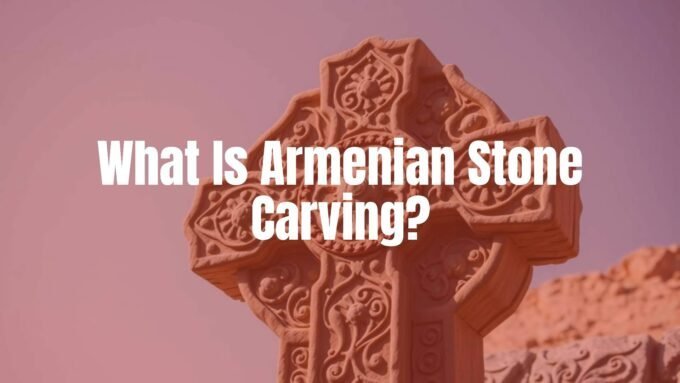
In Lori Province in northern Armenia, the monasteries of Haghpat and Sanahin form a shared UNESCO World Heritage Site. Built between the 10th and 13th centuries, they were important centers of learning and art. Their buildings mix elements of Byzantine church design with local style. The complexes, partly hidden on green hillsides above small villages, include churches, chapels, libraries, and many khachkars (carved stone crosses). Walking among the stone halls and arches gives a strong sense of medieval Armenian culture.
Amberd Fortress
Amberd Fortress stands high on the slopes of Mount Aragats, Armenia’s tallest mountain. This medieval fortress complex, with its church from the 11th century, rises above steep gorges that protected it from attack. Today the partly ruined walls, towers, and church look out across wide mountain views and open skies. Many people visit Amberd on a combined trip with Mount Aragats, enjoying both history and scenery in one outing.
Scenic Tavush and Dilijan
Tavush Province, near the border with Georgia, is one of Armenia’s greenest regions. Covered with forests, lakes, and rolling hills, it is often called “Armenian Switzerland.” The air is fresh, the climate is mild, and it is ideal for hiking and nature walks. Inside this region lies the spa town of Dilijan, surrounded by a national park. Dilijan has mineral springs, forest trails, and nearby monasteries such as Haghartsin and Goshavank. It is a relaxing place to stay a few days, combining nature, culture, and gentle outdoor activity.
Unique sites: Armenian Alphabet Monument, Old Khndzoresk Cave Village, Shaki Waterfall
Armenia also has several unusual places worth seeking out. The Armenian Alphabet Monument, north of Yerevan, honors Mesrop Mashtots and his creation of the Armenian script. Each letter is carved from stone and arranged in a group at the foot of Mount Aragats. The Old Khndzoresk Cave Village, in the south, is a cliffside settlement made up of man-made caves that were lived in until the 1950s. A long suspension bridge, the Khndzoresk Swinging Bridge, connects the old and new villages and offers great views into the gorge. The Shaki Waterfall is a pretty cascade in Syunik Province with a twist: after visitor hours, the water flow is redirected to power a hydroelectric station, so the waterfall “disappears.” Visiting while it is flowing makes the trip much more impressive.
Which UNESCO World Heritage Sites can tourists visit in Armenia?
Armenia’s UNESCO World Heritage Sites are mainly early Christian religious complexes that show how Armenian church architecture and culture developed. They are key stops for travelers interested in history, faith, and old building styles.
Monasteries of Haghpat and Sanahin
Haghpat and Sanahin in Lori Province form one joint UNESCO site. Built between the 10th and 13th centuries, these monasteries mark a high point in Armenian religious building. They served as places of study, manuscript copying, and scientific learning in medieval times. Haghpat sits on a hillside and has several churches, chapels, a bell tower, a refectory, and many khachkars. Sanahin, close by, shares similar design features and was once famous for its school of miniaturists and calligraphers. The stone structures are solid and detailed, with fine carvings on walls, arches, and crosses.
Cathedral and Churches of Echmiadzin and the Archaeological Site of Zvartnots
This UNESCO listing covers the main religious center at Etchmiadzin along with the ruins of Zvartnots Cathedral. Etchmiadzin is the seat of the Catholicos (head) of the Armenian Apostolic Church and is widely considered the first Christian cathedral in history. The complex includes the Mother Cathedral and several early churches-St. Gayane, St. Hripsime, and Shoghakat-each with its own story and architectural style. A short drive away is the site of Zvartnots, a 7th-century circular cathedral that collapsed in an earthquake. Its remaining columns, floor plan, and carvings reveal how advanced and ambitious Armenian builders were during that period.
Monastery of Geghard and the Upper Azat Valley
The UNESCO site of Geghard Monastery and the Upper Azat Valley includes both the rock-cut religious complex and its natural surroundings. Many of Geghard’s chapels and burial rooms are hollowed out of the cliffs, joined to stone-built structures outside. Natural springs run through some of the chambers, and the sound of water mixes with echoes of voices and prayers. The Azat valley around the monastery holds other medieval monuments and offers dramatic views of steep rock walls. Together, the religious and natural elements make this one of Armenia’s most memorable places.
What are the top things to do in Yerevan?
Yerevan combines layers of history with a modern, social lifestyle. Visitors can enjoy architecture, museums, markets, food, coffee, and nightlife without needing to travel far.
Explore the Cascade Complex
The Cascade Complex is one of Yerevan’s main landmarks. It is a huge outdoor staircase with terraces, fountains, and sculptures that climbs from the city center up to a higher neighborhood. Inside, an escalator lets you move between levels without climbing all the steps. The Cascade is part of the Cafesjian Center for the Arts, which displays modern art indoors and outdoors. From the top, you get one of the best views of Yerevan, and on clear days you can see Mount Ararat in the distance. Sunset is a great time to visit for views and photos.

Discover Republic Square and its fountains
Republic Square is Yerevan’s central square and one of its main gathering points. It is lined with grand buildings made from pink tuff stone, including the History Museum, Government House, and a large hotel. In warm months from about April onwards, colorful evening fountain shows take place here. Water jets move in time with music and lights, and families, couples, and tourists come to watch, creating a lively atmosphere.
Visit museums and galleries: Matenadaran, Sergei Parajanov Museum, History Museum
Yerevan does not have a huge number of museums, but a few stand out and are well worth your time:
- Matenadaran: A museum and research institute holding around 13,000 manuscripts, some from the 5th century. It gives a strong sense of Armenia’s literary and scholarly history.
- Sergei Parajanov Museum: A collection of works by the famous Soviet-Armenian film director. It features his collages, drawings, and objects arranged in imaginative ways.
- History Museum of Armenia: Located on Republic Square, it displays more than 400,000 objects from prehistory to modern times.
The Yerevan Card can offer free entry or discounts to many museums and attractions, along with other travel benefits.
Enjoy local cafes and Armenian cuisine
Yerevan is full of cafes, from quiet spots hidden in courtyards to busy places on main streets. Coffee is a daily ritual here, often served in the traditional Armenian style. Food is a big part of local life. Look for:
- Khorovats: Armenian grilled meat, usually pork or lamb, often served with fresh herbs and lavash.
- Lavash: Thin flatbread, baked in a clay oven, eaten with almost every meal.
- Soups, stews, and pastries made with seasonal vegetables, herbs, and dairy products.
Popular places include Anteb for Western Armenian dishes, Caucasus Tavern for a long menu of Armenian and regional food at fair prices, and Zatar Pizza for snacks flavored with za’atar spice.
Shop at Vernissage and GUM Market
Vernissage is a large open-air market near the city center, packed with Armenian crafts and souvenirs. You can find carpets, paintings, jewelry, carved wooden boxes, ceramics, and much more. It is a good place to buy gifts and keepsakes.
GUM Market is a covered food market where stalls overflow with fresh fruits, dried fruits, nuts, cheeses, spices, and pickles. Sellers often offer free samples, and walking through the busy aisles gives a strong feeling of local daily life.
Experience Yerevan’s nightlife and wine culture
In the evening, Yerevan’s streets, bars, and wine shops fill with people. Saryan Street is known for its wine bars, where you can taste Armenian wines made from both grapes and fruits such as pomegranate, apricot, and blackberry. Armenia has been making wine for thousands of years, and many producers are now opening tasting rooms.
If you prefer beer, you can visit places like Dors Craft Beer & Kitchen or Dargett Brewpub, which produce their own brews. Bars such as “The 2nd Floor” are also popular with both locals and foreigners.
Visit the Armenian Genocide Memorial and Museum
The Armenian Genocide Memorial and Museum at Tsitsernakaberd is one of the most important places to visit in Yerevan. The memorial, built on a hill above the city, honors the more than one million Armenians killed in 1915. A tall pointed stone tower and a circle of slabs leaning over an eternal flame form the central monument. The museum below tells the story through documents, photographs, and personal accounts. Visiting this site helps you better understand Armenia’s modern history and the strong emotions connected to it.
What day trips and excursions are popular from Yerevan?
Yerevan’s central position makes it an excellent starting point for many day trips to monasteries, natural sights, and villages around the country.
Mount Aragats and Amberd Fortress
Travelers who enjoy mountains and history often choose a day trip to Mount Aragats. While climbing the highest peaks needs more time and equipment, you can drive high up the slopes and visit Amberd Fortress. The fortress sits above deep gorges and offers wide views. On the way, many drivers also stop at the Armenian Alphabet Monument, making this a varied and scenic outing.
Garni Temple and Geghard Monastery
Garni and Geghard form one of the easiest and most common day trips from Yerevan. At Garni Temple you see Armenia’s pre-Christian past, with a classical temple and fine views of Garni Gorge. A short drive brings you to Geghard Monastery, where rock-cut chapels and chambers create a very different mood. Visiting both in one day gives a good picture of Armenia’s religious history from pagan times to the Middle Ages.
Lake Sevan and Sevanavank
A trip to Lake Sevan is perfect on warm days. At the Sevanavank Monastery peninsula, you can climb a short flight of steps for grand views of the lake and surrounding hills. Many tours continue to Dilijan for forest walks, fresh air, and visits to nearby monasteries, combining water, greenery, and culture.
Areni wine region and Noravank
The Areni area is Armenia’s main wine region, with a history of wine production going back thousands of years. Local wineries offer tastings of both grape wine and fruit wines such as pomegranate wine. Not far away, Noravank Monastery sits in a red rock canyon and often forms the second stop on this day trip. Together, they offer a mix of taste, landscape, and history.
Spas and natural springs in Jermuk
Jermuk is an alpine town famous for hot springs and mineral waters. During the Soviet period it was one of the main health resorts in the region, and many spa hotels still operate today. The town is surrounded by forests and cliffs, with paths and small waterfalls to explore. In winter, Jermuk also works as a ski area, and at other times of the year it may host events such as international chess tournaments.
What are some unusual and hidden attractions in Armenia?
Beyond its well-known monasteries and lakes, Armenia hides many lesser-known places that offer very special experiences for those willing to go a bit off the main routes.
Levon’s Divine Underground
Levon’s Divine Underground in the village of Arinj is one of Armenia’s most surprising sights. Over 23 years, one man, Levon Arakelyan, dug and carved a network of underground halls and passageways beneath his house, starting from a simple request by his wife for a potato cellar. The result is a maze of stairs, rooms, shrines, and sculptures all made by hand, without machines. Visiting this underground world shows what a single person can create with patience and strong belief.
Khndzoresk Swinging Bridge and Cave Village
In southern Armenia, the Old Khndzoresk Cave Village stretches along both sides of a deep gorge. For centuries, people lived in caves dug into the rock, adding stone fronts and paths. The village was still inhabited until the mid-20th century. Today, visitors can walk among the caves and churches and cross the long Khndzoresk Swinging Bridge that links the old and new parts of the settlement. The bridge hangs high over the canyon and offers dramatic views down to the cave openings below.
Shaki Waterfall and scenic nature trails
Shaki Waterfall, in Syunik Province, falls from a cliff into a small green valley. It is one of Armenia’s prettiest waterfalls. Its unusual side is that the water is diverted to a hydroelectric station when visitors are not present, so the waterfall “runs” only at certain times. The area around Shaki also has footpaths through fields and trees, making it a pleasant place for a walk and a picnic.
How can tourists experience Armenian food and drink?
Armenian cooking draws ideas from Arabic, Russian, Greek, and Persian traditions but keeps its own clear style. Meals focus on fresh herbs, vegetables, bread, meat, and dairy. Tasting local dishes and drinks is an important part of any trip here.
Traditional Armenian dishes to try
Armenian meals are often generous and full of flavor. Some key dishes include:
- Khorovats: Skewers of marinated meat grilled over open coals, usually served with vegetables and herbs.
- Lavash: Thin flatbread baked in a clay oven, folded around cheese, greens, or meat. It is so central to Armenian life that UNESCO has recognized it as part of the world’s intangible cultural heritage.
- Dolma: Grape leaves or vegetables stuffed with a mix of rice, minced meat, and spices.
- Ghapama: A festive dish of pumpkin filled with rice, dried fruits, and nuts.
Fresh salads, pickles, local cheeses, and yogurt-based dishes also appear on most tables. Visiting GUM Market in Yerevan is a great way to taste many of these products and see how they are sold and prepared.
Armenian pomegranate wine and local spirits
Armenia is one of the oldest wine-producing regions in the world, with evidence of wine-making found near Areni dating back over 6,000 years. While grape wine is common, the country is also well known for its fruit wines, especially pomegranate wine, which has a rich, sweet-tart taste. Wines made from apricots and berries are also popular. Many wine bars on Saryan Street in Yerevan offer tasting flights and explanations.
Another famous Armenian product is brandy. The Ararat and Noy factories in Yerevan run tours where you can see how brandy is made and stored in barrels, and then sample different ages and styles. Armenian brandy has long had a strong reputation and was a favorite drink of several world leaders.
Frequently asked questions about Armenia tourist attractions
Is Armenia a tourist-friendly country?
Yes. Armenia is generally very welcoming to visitors. People are often friendly and ready to help, even when there is a language barrier. English is more common in Yerevan and tourist centers than in remote villages, but younger people especially are more likely to speak it. The country is considered safe, with crime rates lower than in many other destinations. Hotels and guesthouses are usually cheaper than in Western Europe, and taxis and organized tours make it fairly simple to get around, even if public transport does not reach all sights.
What is Armenia famous for?
Armenia is best known for:
- Being the first country to adopt Christianity as a state religion (in 301 AD).
- Its many ancient monasteries and churches scattered across mountains and valleys.
- Mount Ararat as a national symbol, even though it now lies just over the border in Turkey.
- Lake Sevan and its natural beauty.
- The unique Armenian alphabet.
- Traditional dishes such as khorovats and lavash.
- High-quality Armenian brandy and long-standing wine-making traditions.
- The lively, “pink-stone” capital, Yerevan.
Should tourists join guided tours or travel independently?
Both options work well in Armenia. Traveling independently gives you freedom to choose your own schedule, spend longer in places you enjoy, and explore side streets and smaller villages. This is easier if you rent a car or are comfortable using taxis between towns, because bus links to some monasteries and remote sites are poor.
Guided tours offer a simple way to see many top attractions without worrying about driving, finding routes, or language issues. Many companies in Yerevan sell day trips that include transport and a guide, often at good prices. These tours usually combine several sights in one day. Many visitors choose to explore Yerevan on their own, then use tours or private drivers for longer trips into the countryside.
Are Armenia tourist attractions suitable for families?
Yes, Armenia works well for families. Children often enjoy climbing the steps at the Cascade, watching the evening fountains at Republic Square, and playing near Lake Sevan’s shores. The ride on the Wings of Tatev cable car can be exciting for kids, and many monasteries are in dramatic locations that spark curiosity. Light hikes in places like Dilijan National Park offer safe outdoor fun. When traveling with younger children, it helps to plan shorter travel days, bring snacks and water, and choose a mix of cultural visits and open-air activities. Armenian families are usually very child-friendly, and staff in restaurants and guesthouses often pay special attention to children.













Leave a comment