
Visiting a new country is always an adventure, and Armenia is no different. In Yerevan, many people, especially younger ones and those working in tourism, speak some English, and Russian is common across the country. Still, there is something special about speaking even a few words of Armenian. Learning some basic phrases is not just about getting around; it helps you connect with people, enjoy your trip more, and feel the real warmth of Armenian hospitality.
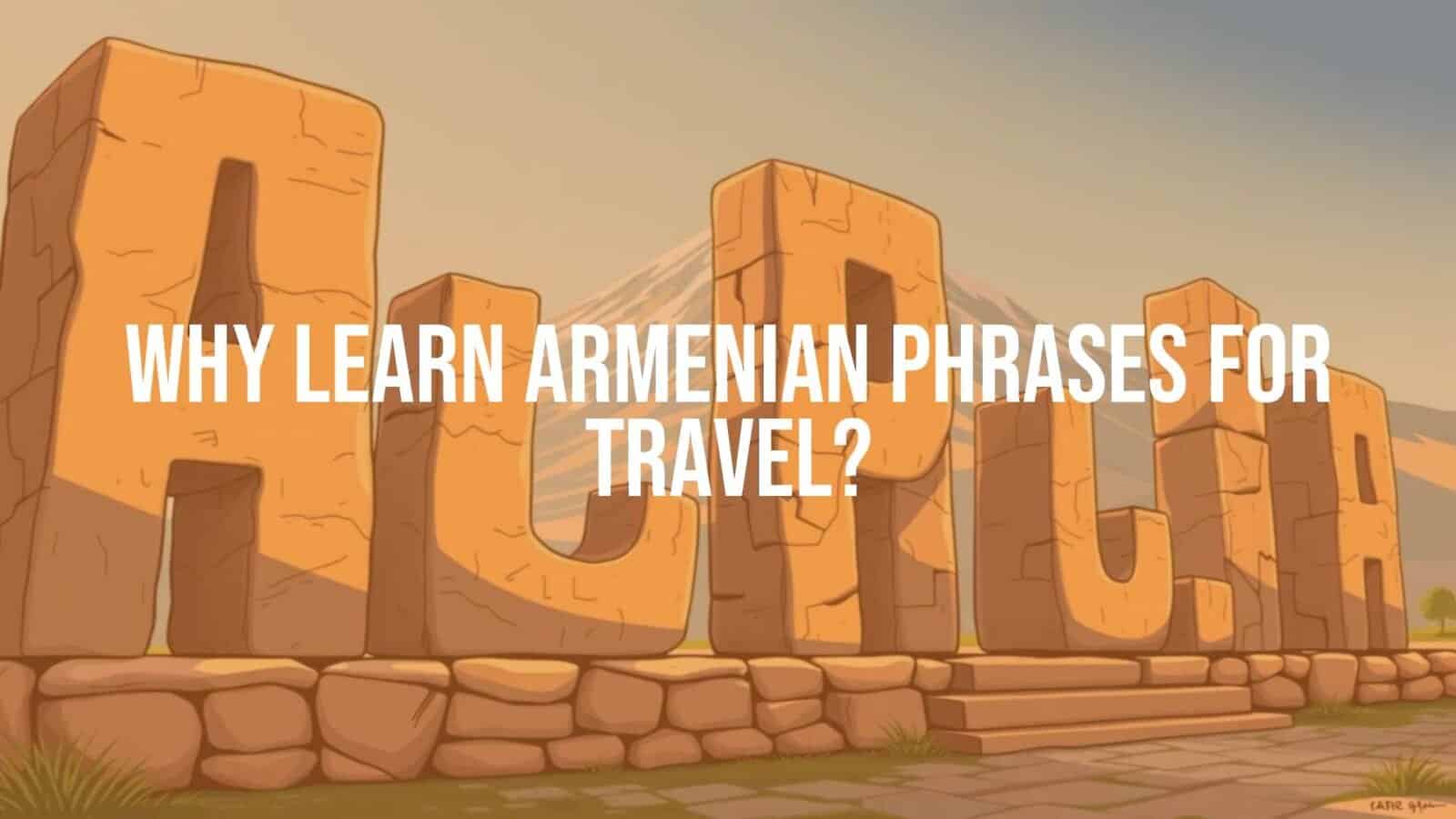
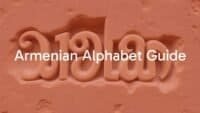
Armenian is an ancient and unique language in the Indo-European family, with roots going back about 4,500 years. Many linguists compare its beauty and richness to French. It has its own alphabet, created by Mesrop Mashtots in 405 AD, and carries deep historical and cultural importance. Imagine visiting the Armenian alphabet monument near Mount Aragats, with its 39 stone letters, or exploring the Matenadaran museum with its old manuscripts, and being able to say a simple “thank you” in the same language. That simple act turns a normal trip into a richer cultural experience.
How Speaking Armenian Improves Your Experience
Speaking even a little Armenian is like opening a door to a more real and personal trip. It breaks down walls, helps conversations feel friendlier, and turns basic exchanges into real moments with people. Instead of just watching daily life, you start to be part of it. Whether you are joking with a seller at the market, ordering food in a small restaurant, or asking for directions, a few Armenian words can turn a confusing moment into a fun and memorable one.
Using the local language also shows respect and true interest in the culture. People see that you made an effort, and they usually react very kindly. This can lead to invitations, longer talks, and a deeper look into Armenian daily life. It’s the difference between only seeing Armenia and truly feeling it.
Reactions from Locals When Tourists Use Armenian
Expect smiles, friendly laughs, and kind encouragement when you try to speak Armenian. Locals are very pleased when visitors use their language, even if you make mistakes. Your accent will not be a problem; in fact, it often makes the exchange more charming.
In traditional markets, for example, using “inch arje?” (how much does it cost?) and then “verjin ginn e?” (is that your last price?) can help you bargain and also start a cheerful conversation. You may hear sweet words like “jan” (dear) or loving phrases such as “tsavt tanem” (literally “I will take your pain”) said to you. These show the open and caring nature of Armenians and will likely become some of your favorite memories.
Pronunciation Guide for Armenian Phrases
Armenian, although old and unique, is quite logical and phonetic once you know the alphabet. Unlike English, where one letter can sound many ways, Armenian spelling is very regular. The main task is to learn the sound of each of the 39 letters. Some sounds may feel unusual at first, but a bit of steady practice helps a lot.
Stress usually falls on the last syllable of a word, which helps with rhythm and tone. Don’t hesitate to read words out loud. People will appreciate your effort and often correct you gently or repeat words for you.
Armenian Vowels and Semi-Vowels
Vowels and semi-vowels are the base sounds of Armenian. Once you get used to them, many words become much easier to say. For example, the vowel Ա/ա (ayb) sounds like the “a” in “father.”
- Ա/ա (ayb): like “a” in “father”
- Ե/ե (yech): like “e” in “pet”, but like “ye” in “yet” at the start of a word
- Է/է (eh): like “e” in “pet”
- Ը/ը (ət): like “a” in “about” (schwa)
- Ի/ի (eeni): like “i” in “pit”
- Ո/ո (vo): like “o” in “dog”, but like “vo” in “voice” at the start of a word
- Ու/ու (oo): like “oo” in “soon”
Semi-vowels often sit between vowel and consonant sounds and give Armenian part of its special sound:
- Յ/յ (hee): like “y” in “yes”
- Հ/հ (hoh): like “h” in “horse”
Listen carefully to the difference between “yech” and “eh”, and notice how “yech” and “vo” change at the beginning of a word. These small changes are very helpful for clear speech.
Key Consonants and Unique Letters
Armenian has many consonants. Some match English sounds; others are special to Armenian and nearby languages. These less familiar sounds give Armenian much of its character. Don’t worry if they are hard at first; repeat them slowly and often.
- Բ/բ (ben): like “b” in “big”
- Գ/գ (gim): like “g” in “goat”
- Դ/դ (da): like “d” in “dark”
- Զ/զ (za): like “z” in “zoo”
- Թ/թ (toh): like “t” in “tiger”, with a puff of air
- Ժ/ժ (zhe): like “s” in “measure”
- Լ/լ (lyun): like “l” in “light”
- Խ/խ (kheh): like “ch” in Scottish “loch” (guttural)
- Ծ/ծ (tsa): like “ts” in “cats”
- Կ/կ (ken): like “k” in “keep”, with no puff of air
- Ձ/ձ (dza): like “ds” in “beds”
- Ղ/ղ (ghat): similar to the French guttural “r” or “gh” in “Baghdad”
- Ճ/ճ (tcheh): like “ch” in “church”
- Մ/մ (men): like “m” in “mouse”
- Ն/ն (noo): like “n” in “north”
- Շ/շ (sha): like “sh” in “shark”
- Չ/չ (cha): like “ch” in “chicken”
- Պ/պ (peh): like “p” in “sport”, no puff of air
- Ջ/ջ (jeh): like “j” in “jar”
- Ռ/ռ (ra): rolled “r”, like in Spanish
- Ս/ս (seh): like “s” in “swim”
- Վ/վ (vev): like “v” in “vote”
- Տ/տ (tyoon): like “t” in “stop”, no puff of air
- Ր/ր (reh): a softer “r”, like in “rest”
- Ց/ց (tsoh): like “ts” in “tsunami”
- Փ/փ (pyoor): like “p” in “pot”, with a puff of air
- Ք/ք (qeh): like “k” in “question”, with a puff of air
- Ֆ/ֆ (feh): like “f” in “fork”
- ԵՎ/և (yev): like “v” in “devil”, but “yev” at the start of a word
Pay attention to pairs that differ only by the puff of air, like Թ/թ vs. Տ/տ or Փ/փ vs. Պ/պ. The rolled “r” (Ռ/ռ) and the guttural sounds “խ” and “ղ” may take extra practice, but learning them makes your Armenian sound much clearer.
Transliteration Tips for English Speakers
Writing Armenian sounds with English letters (transliteration) helps at the beginning, but keep in mind that it is only an approximation. Different books and websites may spell the same Armenian sound in different ways. Use transliteration as a tool, but try to listen to real pronunciation whenever you can.
Because Armenian spelling is regular, once you connect each letter with its sound, reading becomes much simpler, even if the alphabet looks strange at first. Try not to depend only on the English version of a word. Instead, match the English letters to the original Armenian sound. Audio examples from websites, apps, or phrasebooks are very useful. Aim to be clear and understandable rather than perfect.
Practical Grammar Tips for Armenian Phrases
Learning all of Armenian grammar is a big task, and it is more than most tourists need. But a few basic points will help you form easy sentences and recognize common patterns. Armenian is fairly regular, so once you learn a rule, it usually applies in many places.
One helpful feature is that Armenian has no grammatical gender. Unlike French or German, nouns are not marked as masculine or feminine. There is also no separate word for “a” or “an,” which keeps sentence building simpler.
Personal Pronouns and Sentence Structure
Personal pronouns are a good starting point for building sentences. Armenian, like many other European languages, has both polite and familiar forms of “you,” which affect both the pronoun and the verb. This is especially important when talking to older people or strangers.
Here are the main pronouns:
- Ես (Yes): I
- Դու (Doo): You (informal, singular)
- Նա (Nah): He/She/It
- Մենք (Menq): We
- Դուք (Dooq): You (formal or plural)
- Նրանք (Nranq): They
“Դուք” (Dooq) is used both for plural “you” and for polite singular “you.” Simple sentences often follow the Subject-Verb-Object order, similar to English. Armenian also uses five cases (Nominative, Dative, Ablative, Instrumental, Locative) to show the role of nouns in a sentence. You don’t need to memorize all the endings as a traveler, but knowing that word endings change can help you recognize familiar words in different forms.
Using Verb Tenses in Everyday Speech
Armenian verbs follow clear patterns, but they may look a bit unfamiliar to English speakers. Some books describe verbs as having two main groups based on positive or negative feelings, which reflects cultural shades of meaning. For your trip, the most useful form is the present tense of common verbs.
To say “I want…”, you use “Ես ուզում եմ” (Yes ou-ZOOM em). The verb “to be” is very common and sometimes is joined to other words or left out when clear from the context. Don’t worry too much about building verbs from scratch at first. It can be easier to learn complete, ready-made phrases and use them as blocks. Over time, you will start to notice how endings change with different pronouns.
Core Armenian Words and Phrases Tourists Should Know
Learning a set of basic Armenian words and expressions will greatly improve your stay. These are not just polite extras. They help you move around, solve small problems, and show respect for local life. Even a small effort is usually met with kindness.
Many phrases have both informal and formal versions. If you are unsure, especially with older people or in official places, use the formal form. With friends or younger people, informal speech is fine and can make things feel more relaxed.
Greetings and Polite Expressions
Greetings are the starting point for any friendly exchange and matter a lot in Armenia. A simple, polite opening can create a positive mood immediately.
- Hello: Բարեւ Ձեզ (Barev Dzez) – formal; Բարեւ (Barev) – informal
- Good morning: Բարի լույս (Bari luys)
- Good afternoon: Բարի օր (Bari or) – rarely used
- Good evening: Բարի երեկո (Bari yereko)
- Good night: Բարի գիշեր (Bari gisher)
- Goodbye: Ցտեսություն (Tstesutyun) – formal; Հաջողություն (Hajoghutyun) – informal, literally “good luck”
- Yes: Այո (Ayo) – polite; Հա (Ha) – informal
- No: Ոչ (Voch) – polite; Չէ (Cheh) – informal
- Please: Խնդրում եմ (Khndrum em)
- Thank you: Շնորհակալություն (Shnorhakalutyun) – very formal; Մերսի (Merci) – everyday, from French
- You’re welcome: Խնդրեմ (Khndrem) or Չարձե (Char-jee)
- Excuse me: Կներեք (Knerek) – to get attention or pass; Ներողություն (Neroghutyun) – to apologize
- Sorry: Կներեք (Knerek) or Ներողություն (Neroghutyun)
“Merci” is short and very common as “thank you,” so it is handy to learn. You will also often hear “jan” (dear) added after names, a warm sign of affection.
Common Questions and Responses
Basic questions and answers help you in many everyday situations. With these, you can introduce yourself, ask for information, and explain your needs.
- How are you?: Ինչպես եք (Inchpes eq?) – formal; Ինչպես ես (Inchpes es?) or Ոնց՞ես (Vonc es?) – informal
- I am well: Ես լավ եմ (Yes lav em)
- What is your name?: Ինչպե՞ս է ձեր անունը (Inchpes eh dzer anuneh?) – formal; Անունդ ի՞նչ է (Anunt inch e?) – informal
- My name is…: Իմ անունը … է (Im anuneh … eh)
- Nice to meet you: Շատ հաճելի է (Shat hacheli eh)
- Where are you from?: Որտեղի՞ց եք (Vorteghits ek?) – formal; Որտեղի՞ց ես (Vorteghits es?) – informal
- I am from…: Ես …ից եմ (Yes …its em)
- I don’t understand: Ես չեմ հասկանում (Yes chem haskanum)
- I don’t speak Armenian: Ես չեմ խոսում հայերեն (Yes chem khosum hayeren)
- Do you speak English?: Դուք անգլերեն գիտե՞ք (Dooq angleren giteq?)
- How much does it cost?: Ի՞նչ արժե (Inch arje?)
- Where is the toilet?: Որտե՞ղ է զուգարանը (Vortegh eh zoogaranu?)
- Can you help me?: Ինձ կօգնե՞ք (Indz koqneq?)
You can also link phrases. For example: “Ես չեմ հասկանում. Դուք անգլերեն գիտե՞ք?” (“I don’t understand. Do you speak English?”).
Numbers and Counting
Numbers help with prices, buses, room numbers, and more. Even 0-10 already make life much easier.
- 0: Զրո (Zro)
- 1: Մեկ (Mek)
- 2: Երկու (Yerku)
- 3: Երեք (Yereq)
- 4: Չորս (Chors)
- 5: Հինգ (Hing)
- 6: Վեց (Vets)
- 7: Յոթ (Yot)
- 8: Ութ (Oot)
- 9: Ինը (Ine)
- 10: Տաս (Tas)
- 20: Քսան (Ksan)
- 30: Երեսուն (Yeresoon)
- 100: Հարյուր (Haryur)
- 1000: Հազար (Hazar)
Higher numbers usually build from the smaller ones. For example, 11 is “tasn-mek” (ten-one), 21 is “ksan-mek” (twenty-one). Once you see the pattern, bigger numbers stop feeling difficult.
Days, Months, and Writing Dates
Knowing days and months helps with bookings, tickets, and opening times. In Armenia, the week starts on Monday, and dates are usually written as day.month.year.
Days of the Week:
- Monday: Երկուշաբթի (Yerkushabti)
- Tuesday: Երեքշաբթի (Erekshabti)
- Wednesday: Չորեքշաբթի (Chorekshabti)
- Thursday: Հինգշաբթի (Hingshabti)
- Friday: Ուրբաթ (Oorbat)
- Saturday: Շաբաթ (Shabat)
- Sunday: Կիրակի (Kiraki)
Months of the Year:
- January: Հունվար (Hoonvar)
- February: Փետրվար (Petrvar)
- March: Մարտ (Mart)
- April: Ապրիլ (April)
- May: Մայիս (Mayis)
- June: Հունիս (Hoonis)
- July: Հուլիս (Hoolis)
- August: Օգոստոս (Ogostos)
- September: Սեպտեմբեր (September)
- October: Հոկտեմբեր (Hoktember)
- November: Նոյեմբեր (Noyember)
- December: Դեկտեմբեր (Dektembe)
So, December 10, 2025 is written as 10.12.25. Once you know this format, reading dates becomes straightforward.
Colors Often Used in Conversation
Colors are useful when shopping, describing clothes, objects, or scenery. They can make your speech more precise and fun.
- Black: Սեվ (Sev)
- White: Սպիտակ (Spitak)
- Red: Կարմիր (Karmir)
- Blue: Կապույտ (Kapuyt)
- Green: Կանաչ (Kanach)
- Yellow: Դեղին (Deghin)
- Orange: Նարնջագույն (Narnjaguyn)
- Pink: Վարդագույն (Vardaguyn)
- Brown: Շագանակագույն (Shaganakaguyn)
Every new word makes it easier to describe what you see and experience in Armenia.
Using Armenian Phrases in Everyday Situations
The best way to remember Armenian is to use it in real life. Whether you are ordering food, bargaining in a market, or asking for help, these everyday moments are ideal practice. Don’t worry about speaking perfectly; most Armenians are happy that you are trying and will often help you along.
Each time you use a phrase successfully, you gain confidence and also learn more about local habits and behavior. These small steps add up to a richer trip.
At Restaurants and Cafes
Armenian food is tasty and varied, and a few phrases will help you order and interact more easily with staff.
- A table for one/two people, please: Սեղան մեկ/երկու հոգու համար, խնդրում եմ (Seghan mek/yerku hogu hamar, khndrum em)
- May I see the menu, please?: Կարո՞ղ եմ նայել մենյուն, խնդրում եմ։ (Karogh em nayel menyun, khndrum em?)
- I want…: Ես ուզում եմ … (Yes uzum em …)
- Water: Ջուր (Jhur)
- Wine: Գինի (Gini)
- The bill, please: Հաշիվը, խնդրում եմ։ (Hashiveh, khndrum em)
- It was delicious: Շատ համեղ էր (Shat hamegh er)
Cafes in Armenia are social places where people relax and talk, so there is no need to hurry. If you want to try something local, you can ask: “Տեղական խոհանոցից ի՞նչ ունեք։” (Teghakan khohanotsits inch uneq? – What local dishes do you have?). If you are vegetarian, “Ես միս չեմ ուտում։” (Yes mis chem utum. – I don’t eat meat.) is very useful.
At the Market and While Shopping
Markets in Armenia are lively and often involve talk and bargaining. These phrases will help you join in.
- How much does it cost?: Ի՞նչ արժե (Inch arje?)
- Is that the final price?: Վերջին գի՞նն է (Verjin ginn e?)
- That’s too expensive: Շատ թանկ է։ (Shat tank eh)
- Do you have this in my size?: Ունե՞ք սրանից իմ չափսի։ (Uneq sranits im chapsi?)
- I don’t want it: Ես այն չեմ ուզում։ (Yes ayn chem uzum)
- OK, I’ll take it: Լավ, վերցնում եմ այն։ (Lav, vertsnum em ayn)
- Can I have a bag?: Տոպրակ կտա՞ք։ (Toprak ktak?)
Bargaining is normal in many markets. Saying “verjin ginn e?” is a polite way to ask for a better price, and often starts a friendly chat.
Transportation: Buses, Trains, and Taxis
Moving around Armenia is straightforward if you know a few transport phrases.
- Taxi!: Տաքսի՛։ (Taxi!)
- Take me to …, please: Տարեք ինձ …, խնդրում եմ։ (Tarek indz …, khndrum em)
- How much does it cost to get to …?: Քանիսո՞վ կտանեք … (Kanisov ktanek …?)
- Where is the bus stop?: Որտե՞ղ է կանգառը։ (Vortegh eh kangareh?)
- Where does this train/bus go?: Ու՞ր է գնում այս գնացքը/ավտոբուսը։ (Ur eh gnum ays gnatske/avtobuseh?)
Taxis in Armenia are usually quite cheap. A typical rate might be about 600 AMD for the first 5 km and 100 AMD for each extra kilometer. Always check that the meter is running. For buses and trains, asking “Ե՞րբ է շարժվում …-ի գնացքը/ավտոբուսը” (Yerp eh sharzhvum …-i gnatske/avtobuseh? – When does the train/bus to … leave?) can save time.
Lodging and Hotels
These phrases help with checking in, choosing a room, and making requests.
- Do you have any rooms available?: Ազատ սենյակներ ունե՞ք։ (Azat senyakner uneq?)
- How much is a room for one person/two people?: Որքա՞ն արժե մեկ/երկու հոգանոց սենյակը։ (Vorkan arzhe mek/yerku hoganots senyakeh?)
- May I see the room first?: Կարո՞ղ եմ նախորոք նայել սենյակը։ (Karogh em nakhorok nayel senyakeh?)
- Please clean my room: Խնդրում եմ, մաքրեք իմ սենյակը։ (Khndrum em, makrek im senyakeh)
- I want to check out: Ես ուզում եմ դուրս գրվել։ (Yes uzum em durs grvel)
You can also ask about specific things: bathroom (լոգարան – logaran), TV (հեռուստացույց – herustatsuyts), Wi-Fi, or breakfast. If you are not happy with a room, you can say: “Իսկ ունե՞ք ինչ-որ բան ավելի հանգիստ/մեծ/մաքուր/էժան” (Isk uneq inch-vor ban aveli hangist/mets/makur/ezhan? – Do you have anything quieter/bigger/cleaner/cheaper?).
Asking for Directions and Getting Around
Exploring on foot or by car is easier when you can ask and understand basic directions.
- How do I get to …?: Ինչպե՞ս կարող եմ հասնել … (Inchpes karogh em hasnel …?)
- Turn left: Թեքվեք ձախ։ (Tekvek dzakh)
- Turn right: Թեքվեք աջ։ (Tekvek aj)
- Straight ahead: Ուղիղ (Ughigh)
- Street: Փողոց (Poghots)
- Can you show me on the map?: Կարո՞ղ եք ցույց տալ քարտեզի վրա։ (Karogh eq tsuyts tal kartezhi vra?)
“ձախ” (dzakh) is “left” and “աջ” (aj) is “right.” Combined with “ուղիղ” (ughigh – straight), these three words already help a lot. Use your map, too; pointing and speaking together works very well.
Dealing with Money and Payments
Basic money-related phrases will help you pay and exchange currency without stress.
- Do you accept credit cards?: Դուք ընդունո՞մ եք կրեդիտային քարտեր (Dooq endunum eq kreditayin karter?)
- Can you change money for me?: Կարո՞ղ եք ինձ համար փող փոխանակել (Karogh eq indz hamar pogh pokhanakel)
- Where can I get money changed?: Որտե՞ղ կարող եմ փոխանակել իմ փողը (Vortegh karogh em pokhanakel im poghe?)
Many places in Yerevan take cards, but small shops and towns may prefer cash. The local money is the Armenian Dram (AMD). Knowing the words for bank (բանկ – baank) and currency exchange (դրամի փոխանակում – drami pokhanakum) is helpful.
Emergencies and Getting Help
It is always wise to know a few emergency phrases, even if you never need them.
- Help!: Օգնությու՛ն (Ognutyun!)
- It’s an emergency: Արտակարգ իրավիճակ է (Artakarg iravichak eh)
- I need a doctor: Ինձ բժիշկ է հարկավոր (Indz bzhishk eh harkavor)
- I’m lost: Ես մոլորվել եմ (Yes molorvel em)
- Police!: Ոստիկանությու՛ն (Vostikanutyun!)
- Call the police!: Ոստիկան կանչե՛ք (Vostikan kanchek!)
Shouting “Ognutyun!” clearly signals that you need help. For medical issues, “Indz bzhishk eh harkavor” tells people you need a doctor. If you must pay a fine or fee on the spot, always ask for a receipt: “Ստացական կտա՞ք” (Statsakan ktak?). This helps keep everything official.
Social and Cultural Insights for Tourists Using Armenian
Beyond getting food or finding your hotel, Armenian phrases also give you a window into local values and feelings. The language carries long history and emotional depth, and many expressions show how people relate to each other.
Armenians are often described as very warm and welcoming, and this comes through in their everyday speech. Words of affection and closeness appear often, even in casual talk. Using and recognizing these expressions lets you feel part of the social atmosphere for a moment.
Making Friends and Socializing with Locals
People in Armenia usually enjoy meeting visitors, especially when they hear you trying to speak Armenian. One of the most common affectionate words you will hear is “jan” (Ջան).
“Jan” is usually added after a name, such as “Armine jan.” It has no exact English match, but it shows kindness, closeness, and care. Using it in the right setting makes your speech sound warm and friendly. You will hear it very often. Another strong emotional phrase is “tsavt tanem” (Ցավդ տանեմ) – literally “I will take your pain on myself.” This is used to show deep love and sympathy, often from parents to children or between very close people. You may not need to say it yourself, but knowing what it means helps you feel the emotional tone behind many conversations.
Armenian Humor and Light-Hearted Phrases
Like every language, Armenian has playful sayings that sound strange when translated word for word but make perfect sense to locals.
For example, “mrutt utem” (մռութդ ուտեմ) literally means “I want to eat your attractive face,” but it actually means “you are so sweet/adorable” and is usually said to small children. Another funny one is “glukhs mi hardukir” (գլուխս մի հարդուկիր), literally “don’t iron my head.” People say this when someone is boring them or talking nonsense, similar to “don’t talk my head off.” A related phrase is “glukhs tarar” (գլուխս տարար) – “you took my head,” again used when someone is overwhelming you with talk. Even if you never say these yourself, knowing them helps you follow jokes and light teasing.
Cultural Etiquette When Using Armenian Language
Good manners in language are just as important as the words themselves. Armenians put strong value on respect, especially for older people.
Use the polite “Դուք” (Dooq) for older people, strangers, and in formal settings. Keep “Դու” (Doo) for friends, family, and children. When greeting someone politely, “Բարեւ Ձեզ” (Barev Dzez) is always safe and respectful. During meals or gatherings, people often give toasts. People may say “Ձեր կենացը” (Dzer kenatseh! – To your life!) when raising glasses. The main thing is to listen, smile, and join when it feels natural. Your effort to speak Armenian and follow local customs will be noticed and appreciated.
Quick Reference: Armenian Phrase List for Travelers
A short list of key phrases is very practical while traveling. You can keep it on your phone or on a small card to pull out whenever you need it. These phrases cover most basic situations and help you communicate even with very limited language skills.
Practice saying them out loud a few times before your trip. Even if your accent is far from perfect, people will usually respond with patience and kindness.
Most-Used Phrases at a Glance
Here is a short list of phrases you are likely to use many times, with transliteration to guide you:
- Hello (formal): Բարեւ Ձեզ (Barev Dzez)
- Hello (informal): Բարեւ (Barev)
- How are you? (formal): Ինչպես եք (Inchpes eq?)
- How are you? (informal): Ինչպես ես (Inchpes es?) / Ոնց՞ես (Vonc es?)
- I am well: Ես լավ եմ (Yes lav em)
- Please: Խնդրում եմ (Khndrum em)
- Thank you (formal): Շնորհակալություն (Shnorhakalutyun)
- Thank you (informal/common): Մերսի (Merci)
- You’re welcome: Խնդրեմ (Khndrem) / Չարձե (Char-jee)
- Yes (polite): Այո (Ayo)
- Yes (informal): Հա (Ha)
- No (polite): Ոչ (Voch)
- No (informal): Չէ (Cheh)
- Excuse me / Sorry (getting attention/passing): Կներեք (Knerek)
- Excuse me / Sorry (begging pardon): Ներողություն (Neroghutyun)
- Goodbye (formal): Ցտեսություն (Tstesutyun)
- Goodbye (informal): Հաջողություն (Hajoghutyun)
- I don’t understand: Ես չեմ հասկանում (Yes chem haskanum)
- I don’t speak Armenian: Ես չեմ խոսում հայերեն (Yes chem khosum hayeren)
- Do you speak English?: Դուք անգլերեն գիտե՞ք (Dooq angleren giteq?)
- How much does it cost?: Ի՞նչ արժե (Inch arje?)
- Water: Ջուր (Jhur)
- The bill, please: Հաշիվը, խնդրում եմ։ (Hashiveh, khndrum em)
- Help!: Օգնությու՛ն (Ognutyun!)
- Where is the toilet?: Որտե՞ղ է զուգարանը (Vortegh eh zoogaranu?)
Keep this list handy. In a difficult moment, even pointing at the Armenian phrase can help the person you are talking to understand you.
Printable Phrase Card Recommendations
If you prefer something physical, a small printed phrase card is very useful. You can keep it in your wallet or pocket and pull it out whenever you need quick help.
- Essential Phrases: Start with the “Most-Used Phrases” above.
- Phonetic Transliteration: Write a simple and consistent Latin spelling next to each Armenian phrase to guide your pronunciation.
- Categories: Organize phrases by use: Greetings, Transport, Eating Out, Shopping, Directions, Emergencies, etc.
- Numbers: Add numbers 0-10 and maybe 20, 50, 100, and 1000.
- Key Words: Include words like “bank,” “hospital,” “bus,” “market,” “left,” “right,” “yes,” and “no.”
- Formal vs. Informal: Mark clearly which phrases are formal and which are informal.
- Size: Keep the card small enough to fit easily into a wallet or card holder.
- Protection: Laminate the card or print it on thicker paper so it lasts through your trip.
Many websites offer printable phrase lists you can adjust to your needs. Resources like Omniglot and Wikivoyage have long lists of Armenian words and phrases with transliteration. Searching for “printable Armenian phrase card for tourists” online will give you ready-made options. A simple card is a reliable backup in case your phone battery runs low or you want a quick, screen-free solution.











Leave a comment