


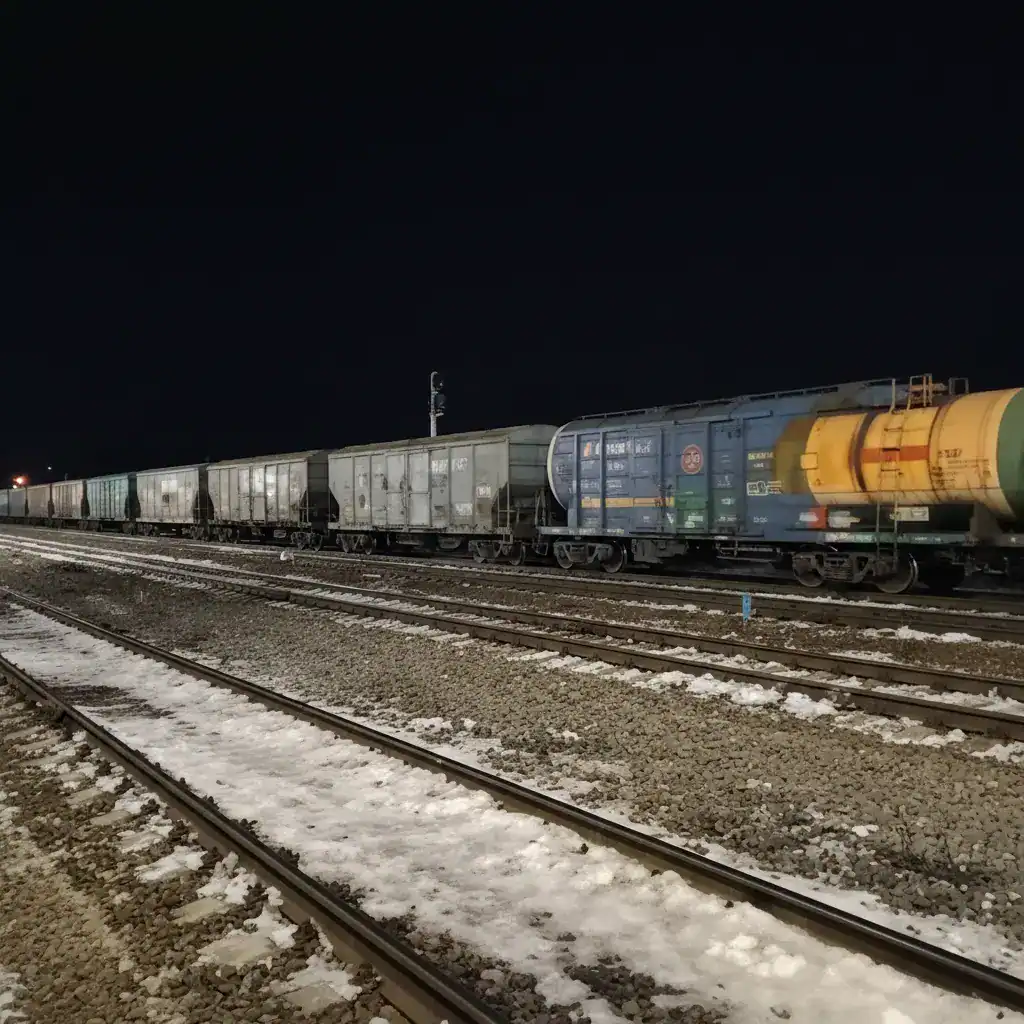
YEREVAN, Armenia – A historic first in regional logistics has been achieved as a shipment of grain from Russia’s Volgograd region has been transported to Armenia by railway, utilizing a route that traverses Azerbaijan. This development marks the resumption of rail transit for goods between the two nations, a practice that had been largely dormant since the 1990s.
Initial Shipment Departs Volgograd
The inaugural railcars, laden with wheat, departed from Gmelninskaya Station in the Volgograd region, as confirmed by the press service of the Privolzhskaya Railway to Vokzhski.ru. This initial consignment consists of eight railcars, signaling the commencement of a new logistical corridor.
Destination: Yerevan, Armenia
The journey for these vital supplies will culminate at the railway station in Yerevan, the capital of Armenia. This route, passing through Azerbaijan, represents a strategic shift in transportation dynamics for the region.
Significant Volume Expected by 2025
While the first shipment comprises eight railcars, plans are underway for a much larger volume of grain to be delivered to Armenia. By the end of 2025, it is projected that more than 2,000 tons of wheat will have been transported, requiring approximately 30 railcars in total. This substantial commitment underscores the potential impact of this newly re-established transit route on regional trade and food security.
Revival of a Key Transit Route
The decision to resume the transit of goods to Armenia through Azerbaijan has paved the way for this innovative logistics service. Experts note that this is the first instance of such rail transportation being feasible since the early 1990s, when political and economic circumstances altered regional trade routes. The re-opening of this corridor could signify a broader trend towards improved connectivity and economic cooperation.
Implications for Regional Trade
The establishment of this new rail link is expected to have positive implications for trade relations between Russia and Armenia, as well as for the broader South Caucasus region. It offers a more efficient and cost-effective method for transporting bulk goods, potentially reducing reliance on alternative, often more circuitous, routes. This could lead to increased trade volumes and foster greater economic integration.
Future Prospects and Challenges
While this initial success is promising, the long-term sustainability and expansion of this transit route will depend on various factors, including continued political stability and infrastructure development. The re-establishment of such a crucial link, however, lays the groundwork for future collaborations and could serve as a model for addressing logistical challenges in other regions. The focus will now be on ensuring the smooth operation of this service and exploring opportunities for its expansion to other types of goods and destinations.
Source: https://news.am/eng/news/921901.html