
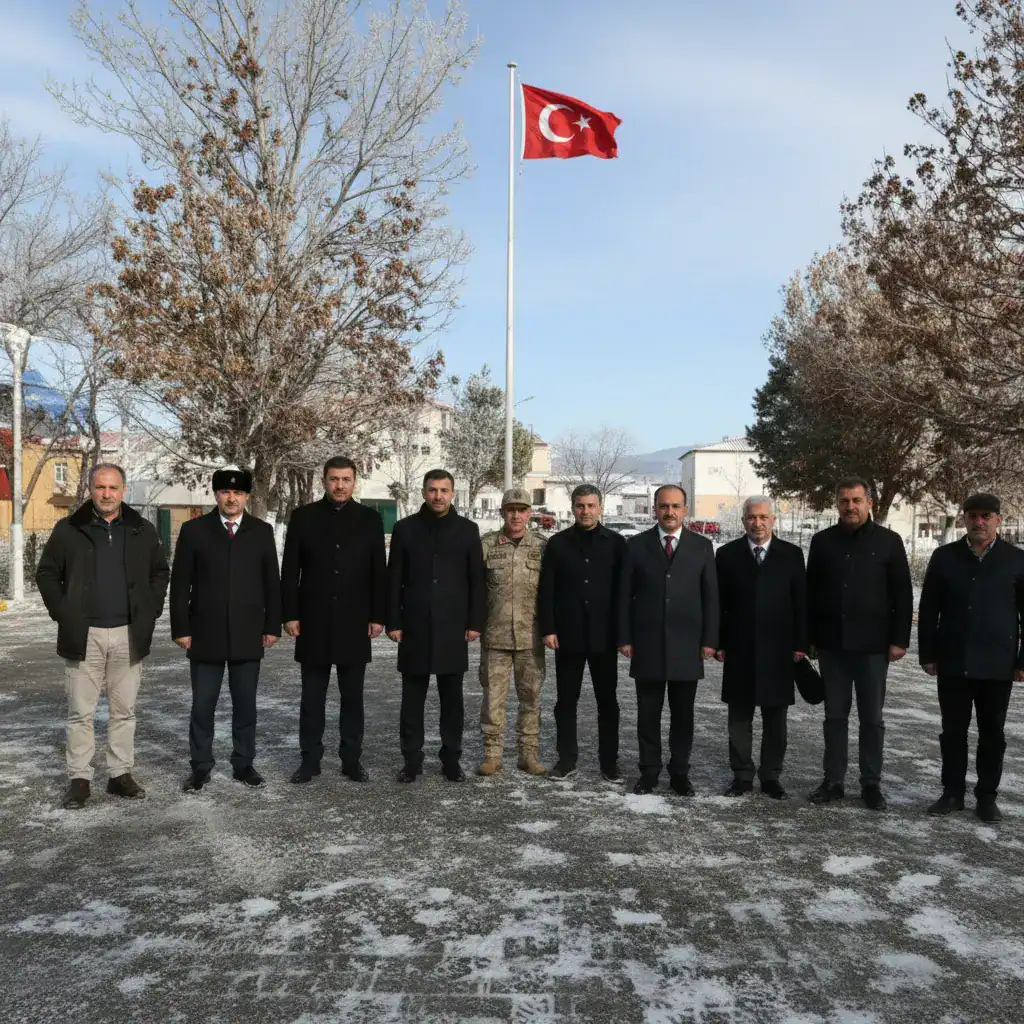
Yerevan, January 17 – The construction of the Alican border crossing on the Turkish-Armenian border is nearing completion, with Turkish media reporting that 90% of the work has been finalized. The crossing, located in the Karakoyunlu district of Iğdır, Turkey, and facing the Margara border crossing in Armenia’s Armavir region, is expected to open by the end of this month.
Construction Progress and Facilities
Works are currently ongoing at both the Alican and Margara border points. At the Alican crossing, buildings for customs and other procedural operations are being constructed. Additionally, billboards and announcements encouraging visitors from Armenia to explore Iğdır and its surrounding areas have been erected, signaling Turkey’s intent to promote regional tourism and trade.
Turkish media outlets have highlighted that the Alican border crossing has been closed since 1952, making its potential reopening a significant event for bilateral relations.
Governor’s Announcement and Reopening Plans
Iğdır Governor Ercan Turan announced the goal to open the border crossing for service by the end of January. He stated, “According to our plans, we aim to open the border crossing for service by the end of this month. Regarding the relocation of the military checkpoint belonging to the 5th Brigade Command, the area will be transferred to the Ministry of Commerce by the end of this month.”
This move suggests a strategic shift towards normalizing relations and fostering economic ties between Turkey and Armenia, a development that has been closely watched by both regional and international observers.
Historical Context and Future Implications
The closure of the Alican border crossing for over seven decades has been a symbol of the strained relationship between Turkey and Armenia. Its reopening could signify a new chapter, potentially leading to increased trade, cultural exchange, and improved diplomatic relations.
The initiative comes amidst broader efforts to de-escalate tensions and promote stability in the South Caucasus region. Both countries have been engaged in various diplomatic overtures in recent years, with the reopening of border crossings often cited as a key step towards full normalization.
Economic Opportunities and Regional Impact
The operationalization of the Alican-Margara crossing is expected to bring considerable economic benefits to the border regions of both countries. For Iğdır, it could mean a boost in tourism and commercial activities, as indicated by the promotional materials already in place. Similarly, the Armavir region in Armenia could experience new opportunities for trade and cross-border cooperation.
Analysts suggest that the reopening could facilitate the movement of goods and people, reducing transit times and costs, and thereby stimulating local economies. This could also pave the way for further infrastructure development and investment in the border areas.
Challenges and Expectations
While the prospect of reopening is largely positive, challenges remain. The long period of closure means that infrastructure and logistical frameworks will need to be robustly established to handle the anticipated increase in traffic. Furthermore, the political will to sustain these open channels will be crucial for the long-term success of this initiative.
The international community has generally welcomed steps towards normalization between Turkey and Armenia, viewing it as a positive development for regional peace and prosperity. The progress at the Alican crossing will be closely monitored as a barometer of the broader reconciliation process.