


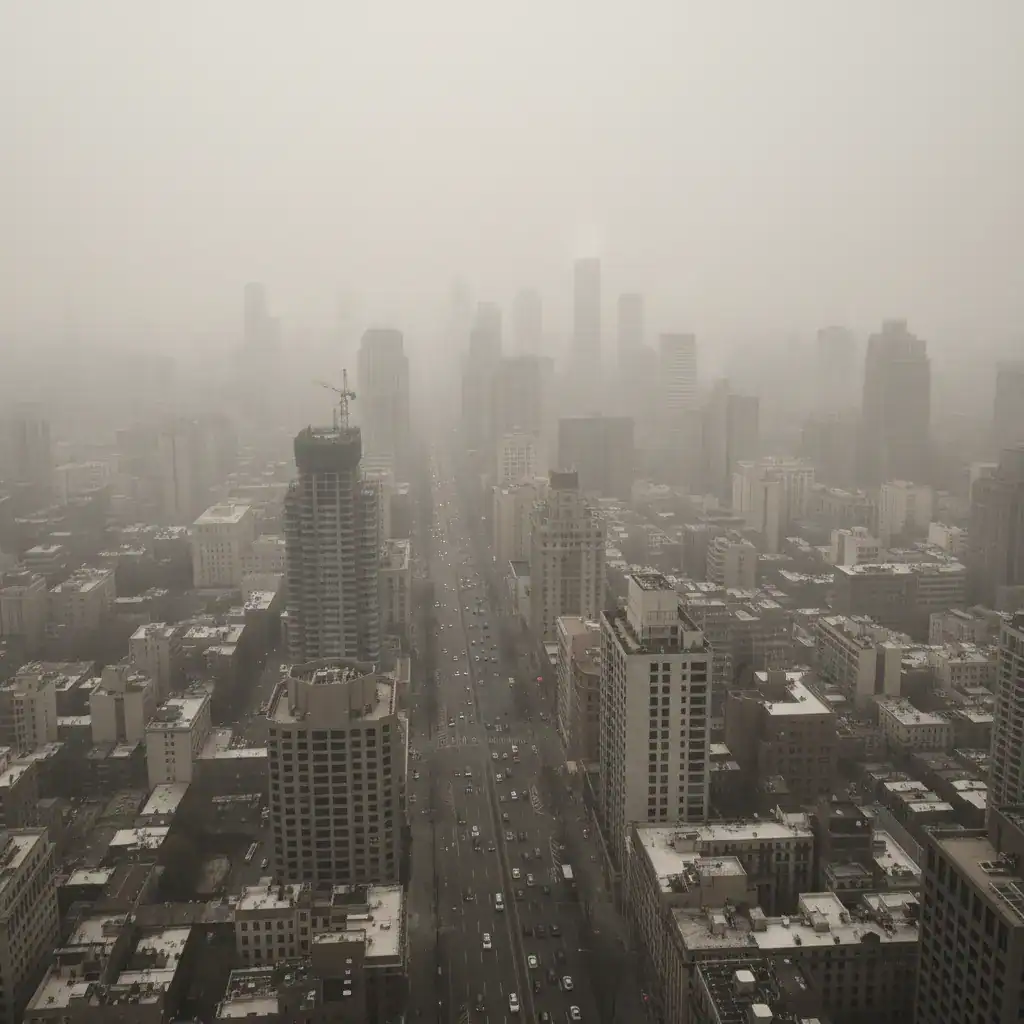
Air Pollution Concerns in Yerevan: Dust and Nitrogen Dioxide Exceed Norms
Yerevan, March 14, 2026 /Novosti-Armenia/ – The Hydrometeorology and Monitoring Center of the Ministry of Environment has released its air quality report for Yerevan for the period of March 3-9, 2026. The report indicates that concentrations of dust and nitrogen dioxide surpassed permissible levels in several administrative districts of the city, raising concerns about urban air quality.
Dust Concentrations Exceeded Permissible Limits
The analysis of air samples revealed that dust concentrations exceeded the maximum permissible concentrations in two of Yerevan’s administrative districts during the specified week:
- Kentron District: Elevated dust levels were recorded on March 3, 4, 5, 6, and 9.
- Nor Nork District: Dust concentrations exceeded norms on March 3 and 6.
- Shengavit District: Dust levels did not exceed permissible limits.
- Arabkir District: Dust levels did not exceed permissible limits.
These findings suggest a persistent issue with particulate matter in the central and eastern parts of the city, potentially impacting public health and visibility.
Nitrogen Dioxide Levels Also Above Norms
In addition to dust, nitrogen dioxide (NO2) concentrations were found to be above the maximum permissible limits in three administrative districts, indicating potential issues with vehicle emissions and industrial activity:
- Shengavit District: NO2 levels exceeded norms on March 4, 5, and 9.
- Nor Nork District: Elevated NO2 concentrations were observed on March 4, 5, and 9.
- Arabkir District: NO2 levels surpassed permissible limits on March 4 and 9.
- Kentron District: NO2 levels did not exceed permissible limits.
The widespread exceedance of NO2 norms across multiple districts, particularly in Shengavit, Nor Nork, and Arabkir, highlights the need for further investigation into emission sources and potential mitigation strategies.
Sulfur Dioxide Levels Within Permissible Limits
In contrast to dust and nitrogen dioxide, the report confirmed that sulfur dioxide (SO2) concentrations remained within the permissible limits across all monitored districts throughout the week. This is a positive indicator, suggesting that industrial emissions of sulfur compounds are currently not a significant contributor to air pollution in Yerevan.
Implications for Public Health and Urban Planning
The consistent exceedance of dust and nitrogen dioxide norms in several key districts of Yerevan underscores the ongoing challenges related to air quality in the city. Elevated levels of these pollutants can have adverse effects on respiratory health, particularly for vulnerable populations such as children, the elderly, and individuals with pre-existing conditions. These findings also have implications for urban planning and environmental policies, prompting a need for strategies to reduce emissions and improve overall air quality.
Future Monitoring and Action
The Hydrometeorology and Monitoring Center continues to conduct regular monitoring of atmospheric air quality in Yerevan. The data collected serves as a crucial resource for environmental authorities to assess the effectiveness of existing measures and to develop new interventions aimed at safeguarding public health and promoting a cleaner urban environment. Further detailed analysis and public awareness campaigns may be necessary to address these persistent air quality issues effectively.