
Gyumri Election Results: Opposition Candidate Wins, Raising Questions About Yerevan Precedent
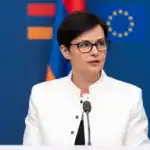
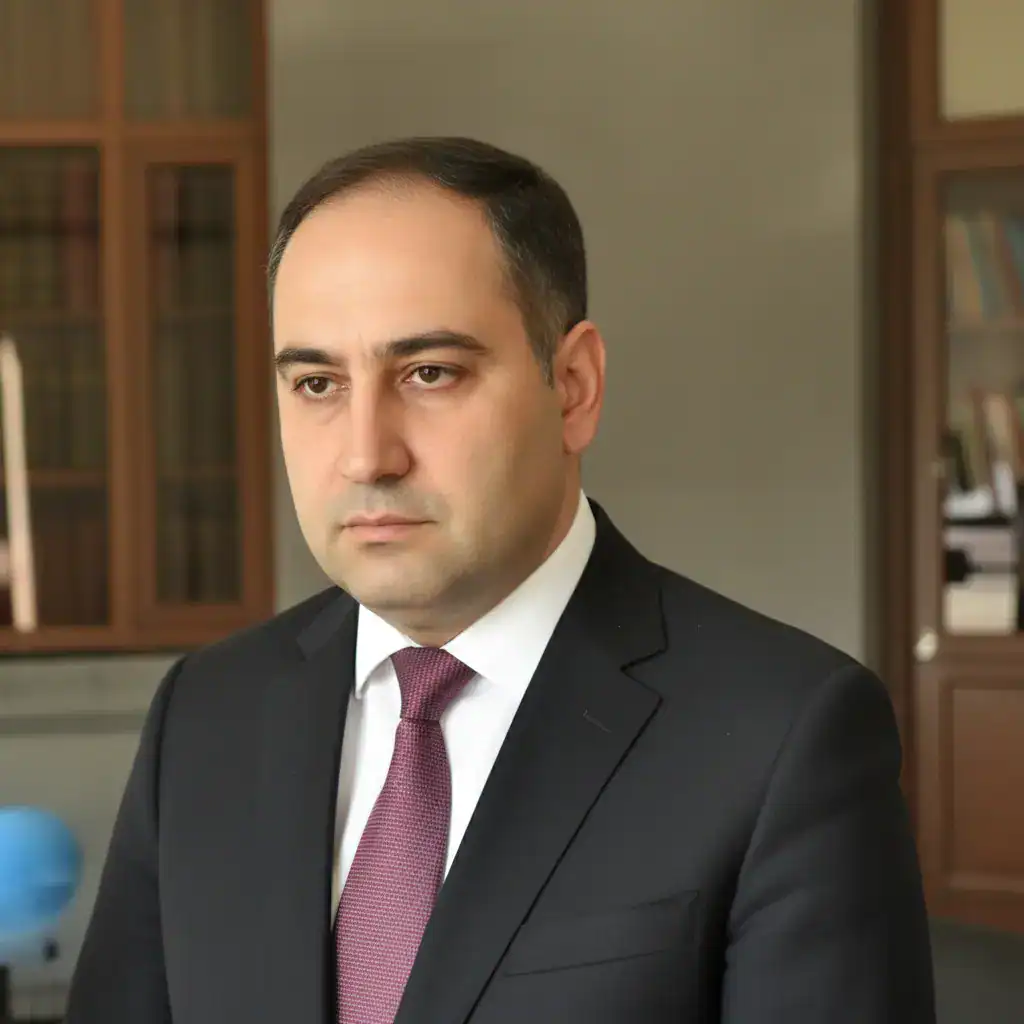
Gyumri, Shirak Province, March 19, 2026 – The recent mayoral elections in Gyumri have concluded with an opposition candidate emerging victorious, a development that has prompted discussions and comparisons with previous municipal elections in Yerevan. David Khoudatyan, Minister of Territorial Infrastructure Management, acknowledged the outcome during a government session, stating that while they accept the choice made by Gyumri citizens, the phenomenon of ‘Gyumri-2’ refers to a situation where a community leader is elected through an opposition consolidation.
Khoudatyan’s remarks, however, have drawn criticism, as observers point out that the ruling party itself faced a similar scenario in the Yerevan elections. In that instance, the ruling party’s candidate did not secure a majority of Yerevan residents’ votes but became mayor due to support from the ‘Republic’ faction and the Civil Contract party.
The ‘Gyumri-2’ Phenomenon and its Implications
The term ‘Gyumri-2’ suggests a pattern where an opposition figure gains power through a unified front, even if the ruling party holds a significant presence. This outcome in Gyumri highlights the complexities of local politics and the dynamics between ruling and opposition forces in Armenia.
The election results are particularly noteworthy given the context of ongoing political discourse in Armenia, where issues such as subvention programs and community mergers are frequently discussed. Khoudatyan previously addressed the merging of communities, noting that some mergers would involve areas predominantly led by the Civil Contract party. He also discussed the co-financing of 18 subvention programs amounting to 948 million drams.
Minister Khoudatyan’s Recent Engagements
Minister Khoudatyan has been actively involved in various discussions and initiatives. Earlier this year, he met with the EU Ambassador to discuss energy and transport sectors. He also held talks with Kopyrkin regarding the extension of the second power unit’s operation at the Armenian Nuclear Power Plant (ANPP). Khoudatyan emphasized the flexibility of modular nuclear power plants in management and expressed optimism about reaching an agreement with the Russian side concerning the Yeraskh and Akhurik sections of the railway.
The Minister also addressed the implementation of the TRIPP project, stating that no risks are foreseen. These engagements underscore the government’s focus on infrastructure development and energy security, even as local political landscapes continue to evolve.
Broader Political Context
The Gyumri election results come amid a flurry of political activity and public debate across Armenia. Recent news from Pastinfo.am highlights various issues, including accusations of self-promotion by officials using state funds, threats made by political figures, and ongoing discussions about constitutional reforms and the Karabakh conflict. The media also reports on social issues, such as domestic violence and the challenges faced by forcibly displaced persons from Artsakh.
The outcome in Gyumri serves as a reminder of the diverse political sentiments within Armenia’s regions and the persistent challenges and opportunities that shape its democratic processes.
Source: https://pastinfo.am/hy/news/2026/03/19/%D4%B1%D5%B5%D5%B6-%D5%AB%D5%B6%D5%B9-%D4%B5%D6%80%D6%87%D5%A1%D5%B6%D5%B8%D6%82%D5%B4-%D5%AF%D5%A1%D6%80%D5%A5%D5%AC%D5%AB-%D5%A7%D6%80/1962343