
Kremlin Expresses Discontent Over Anti-Russian Rhetoric at Yerevan EU Summit
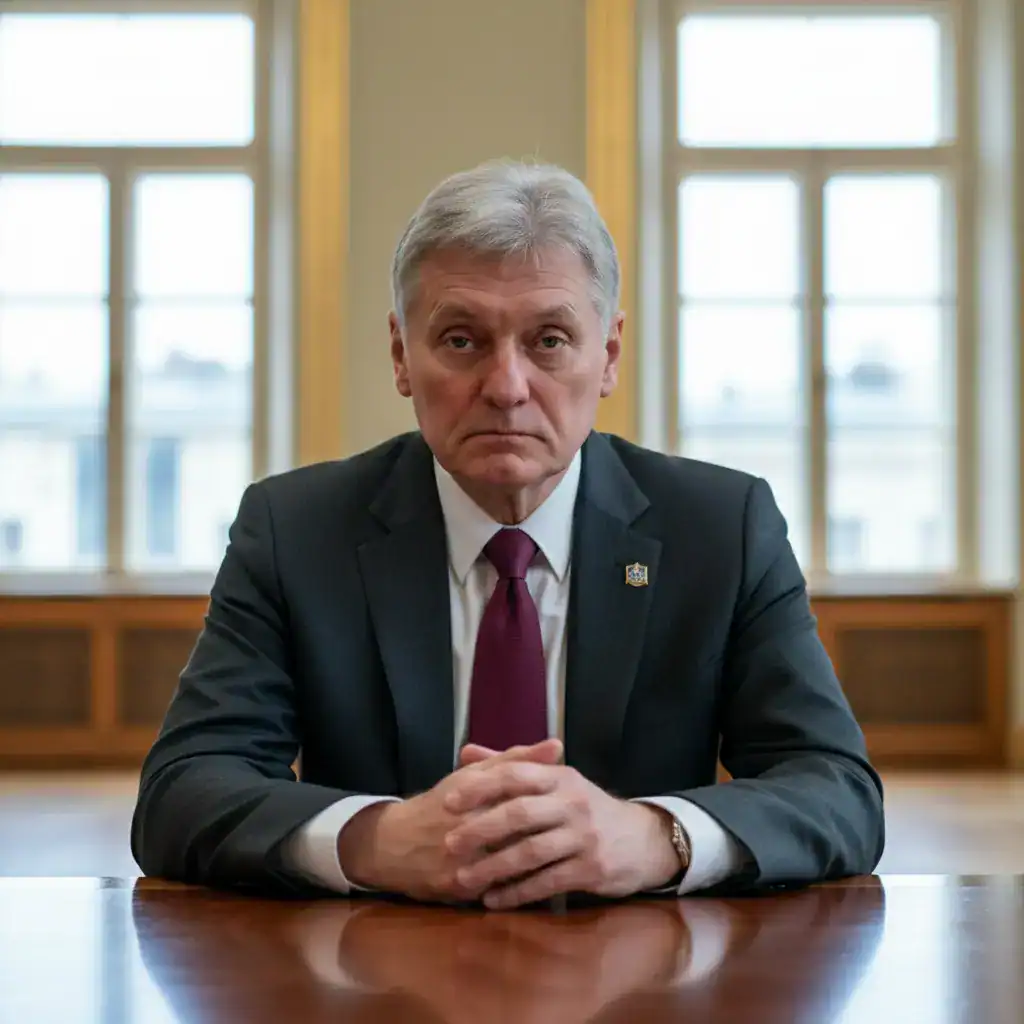
Yerevan, May 11 – The Kremlin has voiced its dissatisfaction with the anti-Russian statements made at the EU summit held in Yerevan, Armenia, yesterday. Dmitry Peskov, Press Secretary for the President of the Russian Federation, stated that while holding a summit between Armenia and the European Union is considered normal, providing a platform for anti-Russian expressions is not, and does not align with the spirit of relations between Yerevan and Moscow.
Peskov’s comments were made during an interview with Pavel Zarubin of the “Vesti” news service. He emphasized that Armenia’s right to pursue a multi-vector foreign policy, including hosting such summits, is an absolute sovereign right. However, he added, Moscow does not understand why Armenian Prime Minister Nikol Pashinyan did not attempt to “balance” Volodymyr Zelensky’s anti-Russian speech at the event.
Moscow Awaited Clarifications from Yerevan
“Of course, perhaps we were still expecting some clarifications from Yerevan,” Peskov stated, highlighting Moscow’s expectation for a response or a balancing act from the Armenian side regarding the rhetoric used during the summit.
According to the Kremlin representative, the most crucial aspect for Moscow in its relations with Yerevan is that Armenia does not adopt an anti-Russian stance. “The main thing is that Armenia does not adopt anti-Russian positions. That is the most important thing for us,” Peskov asserted.
Maria Zakharova’s Earlier Criticisms
Earlier, Maria Zakharova, official representative of the Russian Foreign Ministry, had also criticized the silence of Western leaders and the Armenian side in response to Ukrainian President Volodymyr Zelensky’s threats against Great Patriotic War veterans during the European Political Community summit in Yerevan. She added that the current foreign policy course of the Armenian authorities would sooner or later lead to Armenia’s irreversible involvement in Brussels’ anti-Russian line. According to Zakharova, such a scenario would have political and economic consequences for Armenia.
Context of the Summit and Regional Dynamics
The EU summit in Yerevan took place amidst complex regional dynamics, where Armenia seeks to balance its traditional ties with Russia with strengthening relations with Western partners. The presence and statements of various leaders at such events are closely watched by all geopolitical actors in the region.
This development underscores the delicate balance Armenia attempts to maintain in its foreign policy, navigating between its long-standing alliance with Russia and its burgeoning engagement with the European Union. The Kremlin’s reaction indicates the sensitivity of Moscow to any perceived shift in Armenia’s geopolitical orientation or any platform used to voice sentiments contrary to Russian interests.
The incident also highlights the ongoing tensions between Russia and Ukraine, and the broader geopolitical struggle playing out on the international stage, with various countries being drawn into the discourse.
The Armenian government has yet to issue an official response to Peskov’s latest comments regarding the summit’s rhetoric. However, the Kremlin’s remarks are likely to prompt further diplomatic discussions and considerations for Armenia’s foreign policy strategy.
The situation remains fluid as both Russia and the European Union continue to vie for influence in the South Caucasus region, and Armenia attempts to chart a course that serves its national interests while managing complex international relationships.
The implications of such statements extend beyond immediate diplomatic exchanges, potentially influencing future cooperation agreements, economic ties, and regional security arrangements.
Further updates are expected as the diplomatic dialogue between Moscow and Yerevan continues in the wake of the Yerevan EU summit.
Source: https://golosarmenii.am/arm/%D5%8A%D5%A5%D5%BD%D5%AF%D5%B8%D5%BE%D5%B8%D6%82%D5%B4-%D5%AF%D5%A1%D5%B5%D5%A1%D5%B6%D5%A1%D5%AC/