


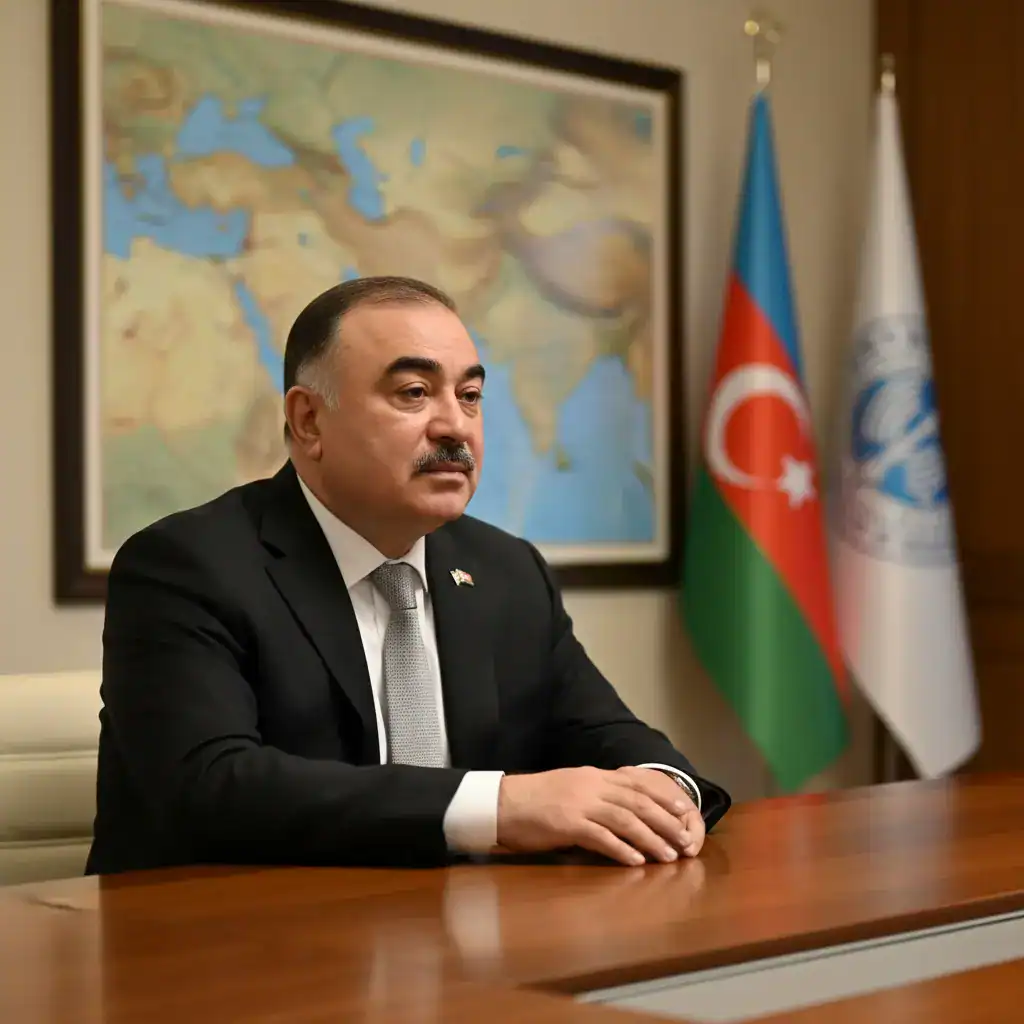
YEREVAN, May 19 – The process of normalizing relations between Armenia, Azerbaijan, and Turkey, including the potential opening of borders, is directly contingent on the signing of a peace treaty in Yerevan and subsequent constitutional changes. This statement was made by Rashad Mammadov, Azerbaijan’s Ambassador to Turkey, who emphasized the close coordination between Baku and Ankara.
Azerbaijan and Turkey: A Coordinated Diplomatic Front
In an interview with the Turkish newspaper “Cumhuriyet” on May 18, Ambassador Mammadov addressed the question of Baku’s role in the closure of the Armenia-Turkey border. He asserted that regional peace processes are unfolding in parallel, with Azerbaijan and Turkey coordinating every diplomatic step and moving forward exclusively together.
Mammadov reiterated that the primary “obstacle to peace remains Armenia’s Constitution.” The Ambassador expressed confidence that following the parliamentary elections in Armenia on June 7, a constitutional referendum will be held, ultimately allowing the parties to sign the already initialed peace treaty.
A Recurring Theme in Azerbaijani Diplomacy
Such rhetoric has become a traditional stance for Azerbaijan’s political leadership. In international forums, official Baku consistently and deliberately links the conclusion of peace to amendments in the neighboring republic’s Basic Law.
Turkey fully shares this position, aligning its foreign policy messages with Azerbaijan’s. Official Ankara openly declares that the establishment of diplomatic relations with Yerevan will only be possible in the context of Armenian-Azerbaijani reconciliation.
This policy is further affirmed by a recent statement from Turkish Foreign Minister Hakan Fidan, who publicly assured that the Armenia-Turkey border would open immediately after the signing of a peace treaty between Baku and Yerevan.
The Path to Peace: Elections and Referendum
The upcoming parliamentary elections in Armenia on June 7 are seen as a pivotal moment in this process. Ambassador Mammadov’s remarks suggest an expectation that the outcome of these elections will pave the way for the constitutional referendum, which Baku and Ankara view as essential for a lasting peace agreement.
The current diplomatic landscape highlights the interconnectedness of regional stability, with the resolution of long-standing disputes between Armenia and Azerbaijan being a prerequisite for broader normalization efforts, including the opening of borders with Turkey.
Observers are now closely watching the developments in Yerevan, particularly the political discourse surrounding constitutional reform and the upcoming elections, as these will likely determine the timeline for any significant breakthroughs in the Armenia-Turkey normalization process.