
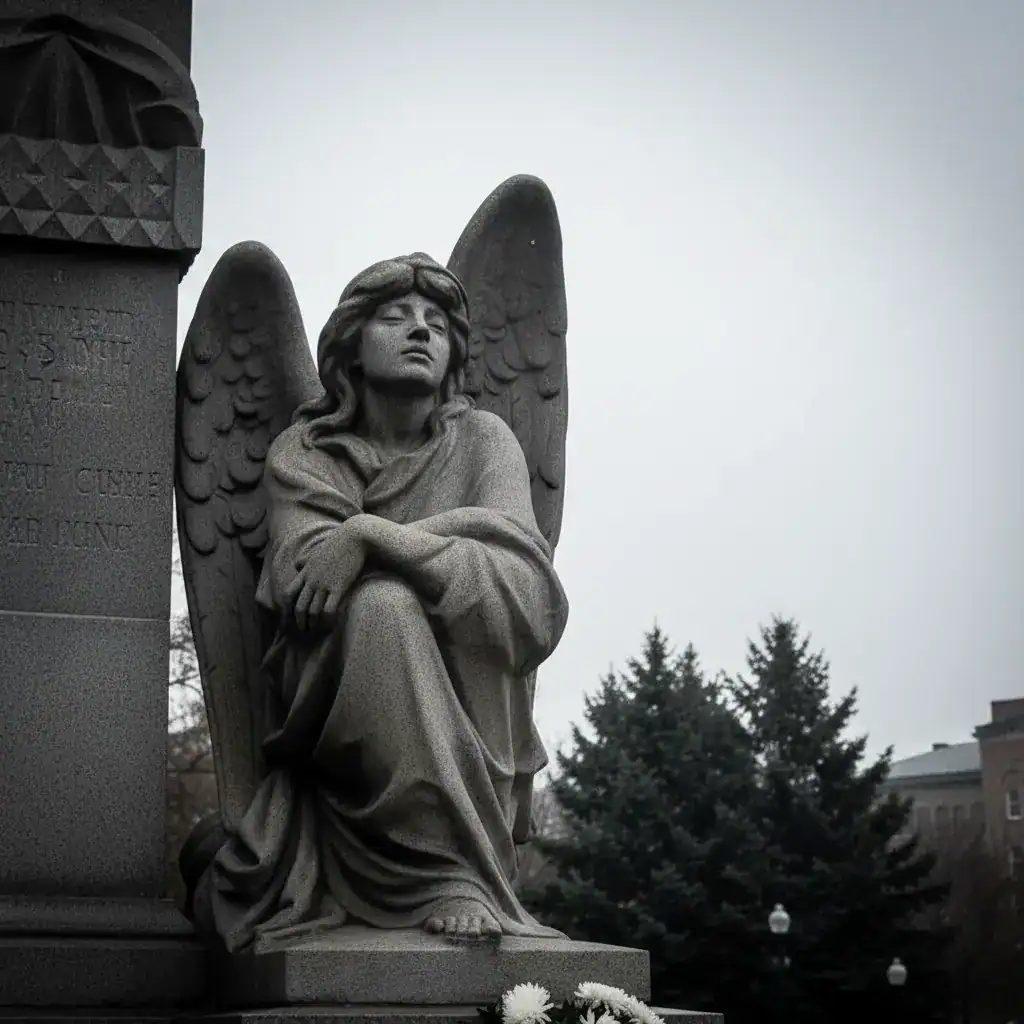
Yerevan and Alaverdi, Armenia – On May 20, 2026, Armenia paid tribute to the memory of the victims of the Greek Genocide in the Ottoman Empire. Commemorative events were held in both cities, emphasizing the historical ties and shared fate of the Armenian and Greek peoples.
Liturgy and Memorial Services Across Armenia
As reported by Sputnik Armenia, Eduard Polatov, chairman of the “Patrida” NGO of the Greek community of Armenia, stated that a liturgy was served at St. Sarkis Church in Yerevan at the request of the community. The service was attended by representatives of the Greek community, Armenian and Artsakh cultural figures, and political representatives.
Polatov noted that in previous years, memorial services were held both at St. Sarkis Church and at the church allocated to the Georgian community in the Noragyugh district of Yerevan, located within the St. Gevorg Church complex.
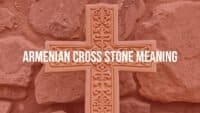
Memorial events also took place in Alaverdi, a city in the Lori region with a significant Greek community. In 2022, a khachkar (cross-stone) symbolizing the common fate of the Armenian and Greek peoples was erected in Alaverdi. One side of the khachkar features an Armenian red tufa cross ornament, while the other displays a Greek white marble cross ornament. The ceremony traditionally involves local Armenian and Greek residents, as well as representatives of the city authorities.
Historical Context of the Greek Genocide
The mass extermination of Greeks occurred at various times throughout the history of the Ottoman Empire. The most extensive deportations and killings took place between 1913 and 1923, during the final years of the Ottoman Empire and the first years of Kemalist Turkey. This period chronologically coincided with the genocides of Armenians, Assyrians, and Yazidis.
At the beginning of the 20th century, approximately 2.5 million Greeks lived in the Ottoman Empire across regions such as Pontus, Cappadocia, the eastern coast of the Aegean Sea, Constantinople, and central Anatolia. Today, only a few thousand Greeks reside in Turkey.
The Armenian people, having endured their own genocide, have consistently supported the recognition of other genocides, including that of the Greeks. These annual commemorations serve as a reminder of historical injustices and a call for continued international recognition and condemnation of such atrocities.
The events highlight the enduring resilience of the Greek community in Armenia and their commitment to preserving their cultural heritage and memory of the victims. The shared experience of genocide has forged strong bonds between the Armenian and Greek communities, fostering mutual support and solidarity in their pursuit of historical justice.
The presence of political figures and cultural representatives at these events underscores the importance of these commemorations at both communal and national levels, reinforcing the message that such crimes against humanity must never be forgotten.