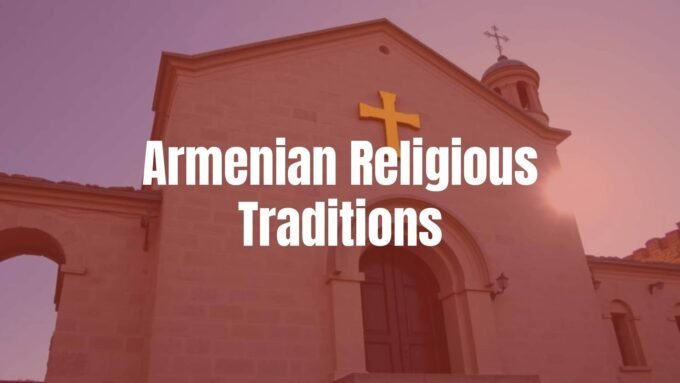

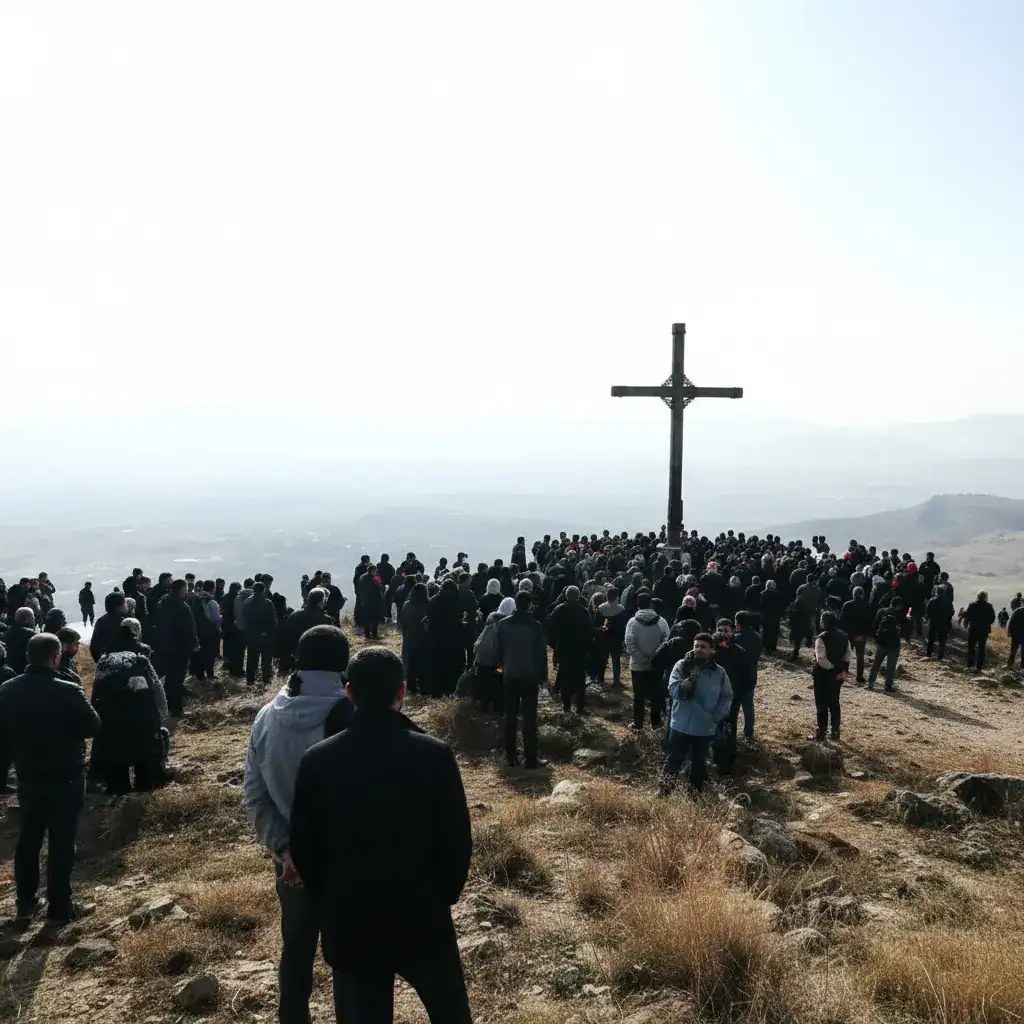
Yerevan, Armenia, June 14 – The dismantling of crosses and other structures has commenced in the Tavush region, according to a Facebook post by Grigor Parvanyan. Community leaders have reportedly received directives to proceed with these demolitions. While official explanations cite ‘aesthetic’ considerations, many public figures and residents suspect deeper political motives related to the concept of ‘Western Azerbaijan’.
Demolition Initiative and Official Justification
Grigor Parvanyan’s social media post, dated June 14, 2026, highlighted the start of the demolition process, stating, “Today or tomorrow, the dismantling of crosses installed in various places will begin; community leaders have already received orders.” He further noted that while authorities would likely justify these actions on “aesthetic grounds,” the real reasons are widely understood to be otherwise.
This initiative follows similar actions in other parts of Armenia. For instance, the head of the RA Urban Development, Technical and Fire Safety Inspection Body ordered the cessation and subsequent dismantling of petrol and gas stations in Yerevan. Additionally, a structure located in the Dimats mountain area of the Tavush region is also slated for demolition, as confirmed by the Minister of Environment.
Public Reaction and Suspected Political Motives
The timing and nature of these demolitions have raised concerns among the public and political commentators. The reference to “Western Azerbaijan” in Parvanyan’s post suggests a belief that these actions are linked to broader geopolitical agendas and territorial disputes rather than purely aesthetic or regulatory compliance.
The sentiment is echoed in other related news, where citizens and business owners have faced similar dismantling orders. For example, business owners in Armash have expressed dismay over the destruction of tons of mulberries and apricots, with over 700 entrepreneurs reportedly affected. The demolition of kiosks and other structures in Yerevan, such as illegally constructed snack bars on Northern Avenue, has also been a recurring issue, often leaving business owners without compensation.
Broader Context of Demolitions and Public Discontent
The current wave of demolitions is not an isolated incident. Over the past year, several reports have surfaced regarding similar actions across Armenia:
- November 11, 2025: Residents of Lusagyugh prevented the dismantling of khachkars (cross-stones) at Veri Monastery.
- October 1, 2025: There were discussions about the potential demolition of Gnuny market, with business owners expressing concerns.
- August 14, 2025: Illegal garages and fences were dismantled at 31 Halabyan Street in Yerevan.
- July 30, 2025: The monument dedicated to the Great Patriotic War in Artik was slated for demolition, with specialists warning that no funds were allocated for its reinstallation.
- July 29, 2025: A citizen’s source of income, a meat stall, was demolished by the city hall, leading to significant financial losses.
These incidents collectively point to a pattern of state-led demolitions that, while often officially justified by legal or aesthetic reasons, frequently provoke public resistance and accusations of political motivation or lack of adequate compensation.
Future Implications
The ongoing demolitions in Tavush and other regions are likely to continue generating debate and possibly further protests. The lack of transparent communication regarding the true motivations behind these actions only fuels public distrust and strengthens the narrative of politically driven decisions. The phrase “Western Azerbaijan” in this context signifies a deep-seated fear among some Armenians that these actions are part of a larger plan to alter the cultural and historical landscape of the region, potentially undermining Armenian sovereignty and identity.
The situation remains fluid, with public sentiment suggesting a demand for greater transparency and accountability from the authorities regarding these sensitive issues.