

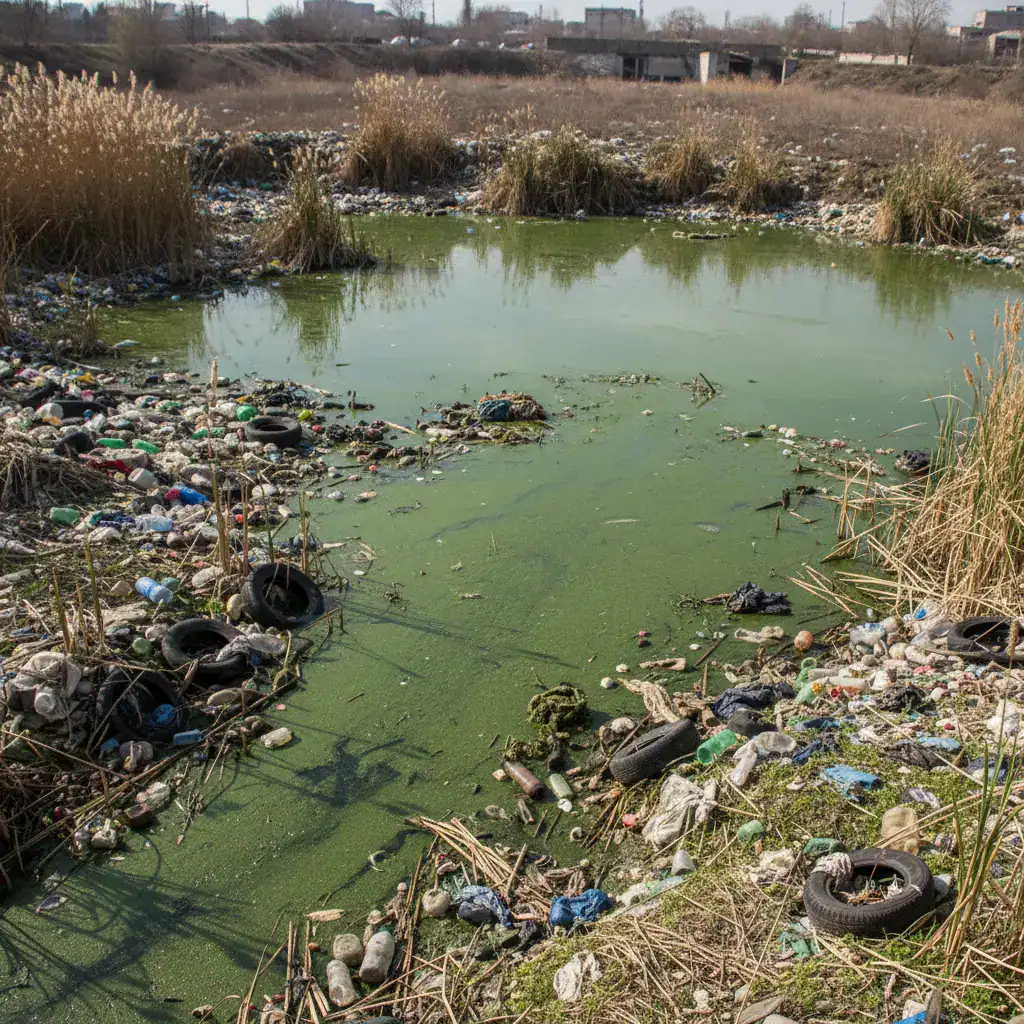
Yerevan, Armenia – Yerevan Lake, a crucial water reservoir for the Armenian capital, is facing severe environmental degradation, progressively turning into a swamp and a site for accumulating waste. This alarming situation has been highlighted in a recent report by Aysor.am, published on August 20, 2026, by Hayk Harutyunyan.
Environmental Concerns Mount for Yerevan Lake
The report underscores a critical environmental issue that has been developing over time, leading to the current state where the lake’s ecological balance is severely compromised. Once a vital resource and a recreational area, Yerevan Lake is now described as a deteriorating body of water, characterized by marshy conditions and significant waste accumulation.
Causes and Consequences of Degradation
While the Aysor.am report does not delve into the specific causes of this transformation, such environmental issues are typically the result of a combination of factors including inadequate waste management, industrial and urban runoff, lack of proper maintenance, and potentially climate-related changes affecting water levels and quality. The consequences of such degradation are far-reaching, impacting local biodiversity, public health, and the aesthetic value of the area.
The transformation of Yerevan Lake into a swamp and landfill poses direct threats to the local ecosystem. Swamps are often characterized by stagnant water, which can become breeding grounds for various disease-carrying insects. Furthermore, the accumulation of waste introduces pollutants into the water and soil, which can harm aquatic life and contaminate groundwater resources. The visual impact of a polluted lake also detracts from the city’s natural beauty and can negatively affect tourism and local recreational activities.
Call for Action and Public Awareness
The report from Aysor.am serves as a critical call to action for local authorities and environmental organizations to address the deteriorating condition of Yerevan Lake. Urgent measures are needed to prevent further degradation and to initiate restoration efforts. This would likely involve comprehensive waste removal programs, stricter environmental regulations, and investments in infrastructure to manage wastewater and prevent pollution from entering the lake. Public awareness campaigns could also play a significant role in educating residents about responsible waste disposal and the importance of preserving natural resources.
The current state of Yerevan Lake reflects a broader challenge faced by many urban areas globally, where rapid development and insufficient environmental planning lead to the degradation of natural habitats. The case of Yerevan Lake highlights the necessity for proactive environmental policies and community engagement to ensure the sustainability of urban ecosystems.
The Aysor.am article, authored by Hayk Harutyunyan, was published on August 20, 2026, at 15:33. The original article can be accessed through the provided source link.
The editorial stance of Aysor.am, as stated on their website, indicates that the author’s opinion does not always coincide with the editorial board’s opinion. Additionally, the responsibility for the content of advertisements lies with the advertisers.