

Armenia’s Geopolitical Tightrope: A New Phase of Choices
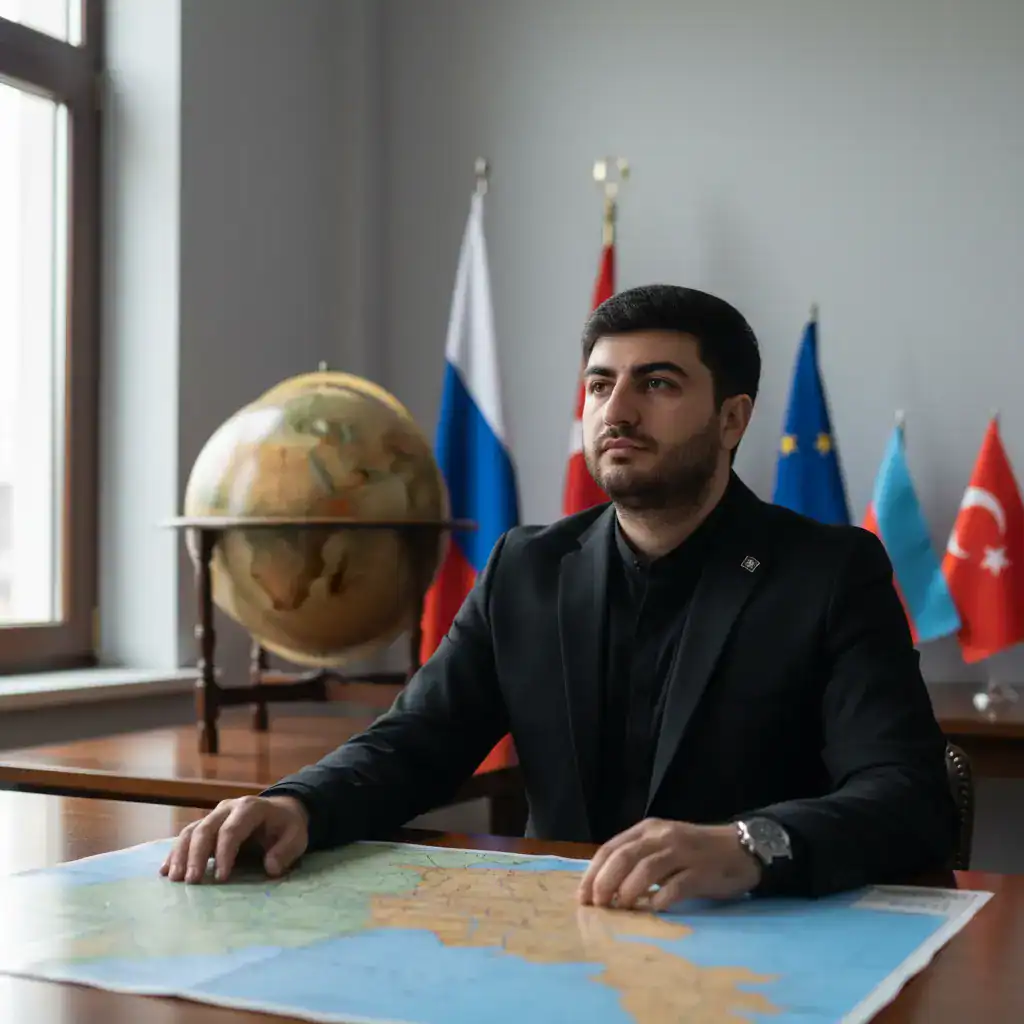
The geopolitical landscape of the South Caucasus is once again in flux, with Armenia at the epicenter of a strategic reorientation that is generating significant debate and concern. Prime Minister Nikol Pashinyan’s administration is facing increasing scrutiny over its foreign policy decisions, particularly its perceived efforts to distance Armenia from Russia while simultaneously deepening ties with Western nations.
Critics argue that Pashinyan’s approach is akin to ‘playing the fool’ with Russia, engaging in actions that directly contradict Moscow’s interests while publicly maintaining a narrative of unchanged relations. Manuel Manukyan, founder of the ‘Dirkapah’ Four-Day War Participants Union NGO, starkly articulated this sentiment, suggesting that by bringing Russia’s main rivals into the region, signing various agreements, providing corridors, and importing weapons, Armenia is actively working against Russian strategic objectives.
Echoes of Ukraine: A Troubling Parallel?
The situation is drawing unsettling parallels to the lead-up of the Ukraine-Russia conflict, which, according to some analysts, began when the United States significantly increased its presence and influence in Ukraine. Observers now fear a similar scenario unfolding in Armenia and Azerbaijan, with Western powers, particularly the U.S., incrementally expanding their footprint in the region.
Manukyan’s comments highlight a core tension: while the Armenian government publicly asserts that it is not acting against the interests of the Russian Federation, its practical steps suggest otherwise. This discrepancy raises questions about the true intentions behind Armenia’s foreign policy and the potential consequences for its long-standing alliances.
The Balancing Act: Washington, Tehran, and Regional Dynamics
Armenia’s geopolitical balancing act extends beyond its relationship with Russia and the West. The country also navigates complex relations with regional powers like Iran, as evidenced by news of balancing between Washington and Tehran. This intricate web of alliances and rivalries underscores the delicate position Armenia finds itself in, attempting to secure its own interests amidst competing global and regional agendas.
The criticism leveled against Pashinyan suggests a deep-seated apprehension within certain segments of Armenian society regarding the potential repercussions of this strategic shift. The concern is that by attempting to ‘deceive’ or ‘trick’ Russia, Armenia might inadvertently jeopardize its own security and stability, especially given Russia’s historical role as a security guarantor in the region.
Domestic Implications of Geopolitical Choices
These geopolitical maneuvers are not without domestic implications. The ongoing debates and criticisms reflect a broader societal discussion within Armenia about the country’s future orientation and the wisdom of its current leadership’s foreign policy choices. The search of the office of Armen Charchyan, director of ‘Izmirlian’ Medical Center, and charges brought against Valeriy Osipyan and Robert Melkonyan in the ‘March 1’ case, though seemingly unrelated, contribute to a climate of political tension that can be exacerbated by foreign policy uncertainties.
Furthermore, the Armenian people’s understanding that losing faith means losing identity underscores the profound cultural and historical dimensions intertwined with the nation’s geopolitical decisions. Any shift in alliances or strategic direction is therefore not merely a political calculation but also a matter of national identity and survival.
A Critical Juncture for Armenia
Armenia stands at a critical juncture, where its geopolitical choices will undoubtedly shape its future for decades to come. The current phase is characterized by a delicate dance between maintaining traditional alliances and forging new partnerships, all while navigating a complex regional and international environment. The question remains whether the current strategy will lead to greater security and prosperity, or if it risks destabilizing an already volatile region.
As the international community watches closely, Armenia’s leadership faces the immense challenge of steering the nation through these turbulent geopolitical waters, ensuring that its choices serve the long-term interests and identity of its people.
Other Developments
- The EU has suspended visa-free entry for Georgian diplomatic and service passports, indicating broader regional shifts.
- Traffic restrictions in Yerevan are expected due to the visit of the U.S. Vice President, highlighting increased diplomatic engagement.
- Turkey is accelerating the modernization of the ‘Alican’ border crossing with Armenia, suggesting potential for evolving regional dynamics.
- The price of gold is decreasing amidst Trump’s personnel decisions, a factor relevant to global and regional economies.
- Yerevan and New Delhi are deepening defense cooperation, further diversifying Armenia’s international partnerships.
Source: https://verelq.am/hy/node/169734