


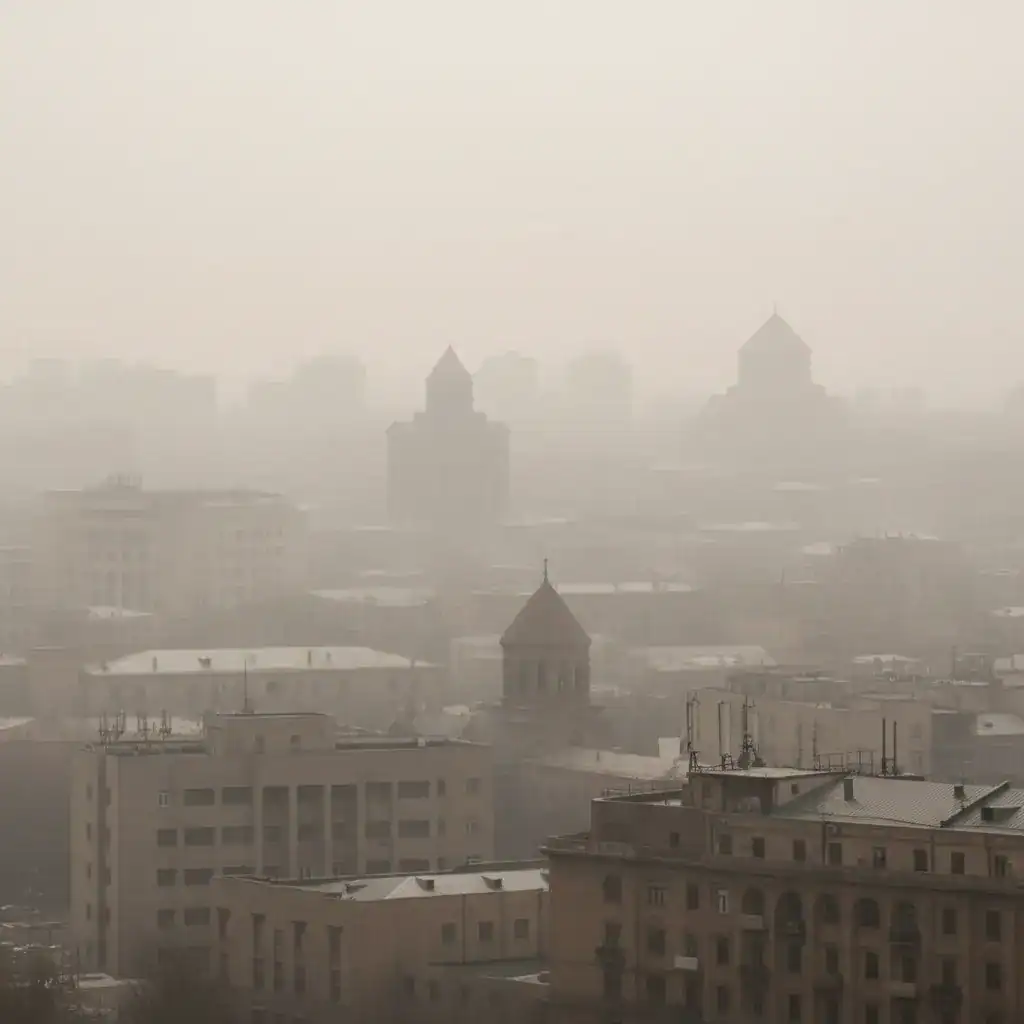
Air Pollution Concerns in Yerevan: Dust and Nitrogen Dioxide Exceed Norms
YEREVAN, April 26. /Novosti-Armenia/. The Center for Hydrometeorology and Monitoring has released its atmospheric air quality report for Yerevan for the period of April 14-20, 2026. The report indicates that concentrations of dust and nitrogen dioxide surpassed permissible limits in several administrative districts of the capital.
Elevated Dust Levels Detected
Dust concentrations were found to be above the maximum permissible levels in the following districts:
- Kentron: Throughout the entire week.
- Nor Nork: On April 15.
- Arabkir: On April 18.
- Shengavit: Did not exceed the permissible limits.
The persistent high dust levels in Kentron, a central and often bustling area, raise concerns about the impact on public health and the environment. Similarly, the temporary spikes in Nor Nork and Arabkir suggest localized issues that warrant further investigation.
Nitrogen Dioxide Concentrations Also High
Nitrogen dioxide (NO2) levels also exceeded the maximum permissible concentrations in several areas:
- Nor Nork: Almost throughout the entire week.
- Kentron: Almost throughout the entire week.
- Arabkir: On April 14 and from April 18-19.
- Shengavit: Did not exceed the permissible limits.
The consistent elevation of NO2 levels in Nor Nork and Kentron is particularly noteworthy, as nitrogen dioxide is a significant air pollutant primarily originating from vehicle emissions and industrial processes. Prolonged exposure to high NO2 levels can lead to respiratory problems and other health issues.
Sulfur Dioxide Within Normal Range
In contrast to dust and nitrogen dioxide, sulfur dioxide (SO2) concentrations did not exceed the maximum permissible limits in any of the monitored districts during the reporting period. This indicates that industrial activities or other sources typically associated with SO2 emissions were either well-controlled or not a significant factor in Yerevan’s air pollution during this specific week.
Implications for Public Health and Urban Planning
The findings from the Center for Hydrometeorology and Monitoring highlight the ongoing challenges Yerevan faces in maintaining optimal air quality. Elevated levels of dust can be attributed to various factors, including construction activities, dry weather conditions, and vehicular traffic. Nitrogen dioxide, on the other hand, is a more direct indicator of combustion processes, predominantly from transportation and energy generation.
These results underscore the importance of continuous monitoring and the implementation of effective measures to mitigate air pollution. City authorities and environmental agencies may need to consider stricter regulations on emissions, promote cleaner transportation options, and enhance urban green spaces to help absorb pollutants. Public awareness campaigns about air quality and its health impacts could also play a crucial role in encouraging sustainable practices among residents.
Further analysis of the sources of these pollutants and their spatial distribution across Yerevan’s districts will be essential for developing targeted interventions. The data from this report provides valuable insights for policymakers and urban planners to address air quality concerns and work towards a healthier environment for the city’s inhabitants.