


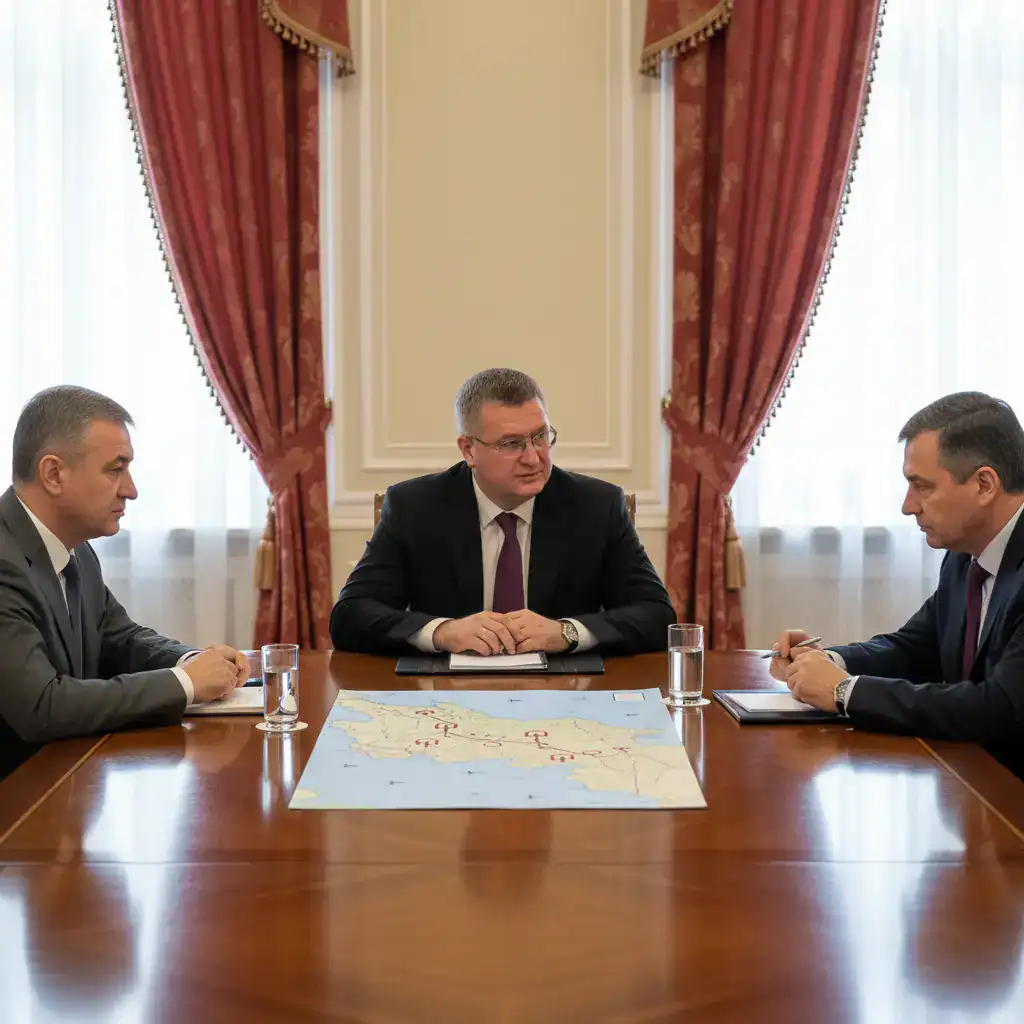
In an interview with TASS, Russian Deputy Prime Minister Alexei Overchuk announced that Moscow and Yerevan share common interests in unblocking transport routes in the South Caucasus. This alignment of interests is expected to bring significant benefits to both nations and the broader region.
Strategic Importance for Moscow
For Moscow, the Meghri route represents an opportunity to enhance transport connections with Armenia, a fellow member of the Eurasian Economic Union (EAEU). Additionally, it aims to improve access to the markets of Iran and Turkey, facilitating trade and economic cooperation. Overchuk emphasized that this route is crucial for strengthening regional ties and expanding economic influence.
Benefits for Yerevan: Unlocking Geographical Advantages
Yerevan views the Meghri section as a critical pathway to unblock the country, leveraging its geographical advantages and providing an additional impetus for economic development. Armenia’s landlocked position makes the unblocking of transport routes particularly vital for its economic growth and integration into regional and international trade networks. This initiative is expected to open new avenues for Armenian businesses and enhance the country’s transit potential.
Regional Implications: Iran and Turkey
The unblocking of transport routes also holds significant implications for other regional players. For Tehran, this route offers a competitive alternative for trade, potentially mitigating some of the challenges posed by international sanctions. For Ankara, it provides the most convenient access to Azerbaijan and the countries of Central Asia, fostering closer economic and political ties within the Turkic world.
Economic and Political Dimensions
Overchuk highlighted that the shared interests between Russia and Armenia in this matter are not merely economic but also political. The initiative underscores a mutual commitment to regional stability and cooperation, potentially leading to a more integrated and prosperous South Caucasus. The development of these transport corridors is seen as a key factor in promoting peace and economic growth in a region historically marked by geopolitical complexities.
Future Outlook
The Russian Deputy Prime Minister’s statements suggest a concerted effort to move forward with the unblocking of transport routes. This development is anticipated to have a transformative impact on the economic landscape of the South Caucasus, creating new opportunities for trade, investment, and regional collaboration. The successful implementation of this initiative could redefine the geopolitical dynamics of the region, fostering greater connectivity and mutual prosperity.