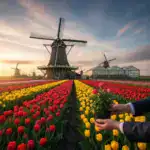

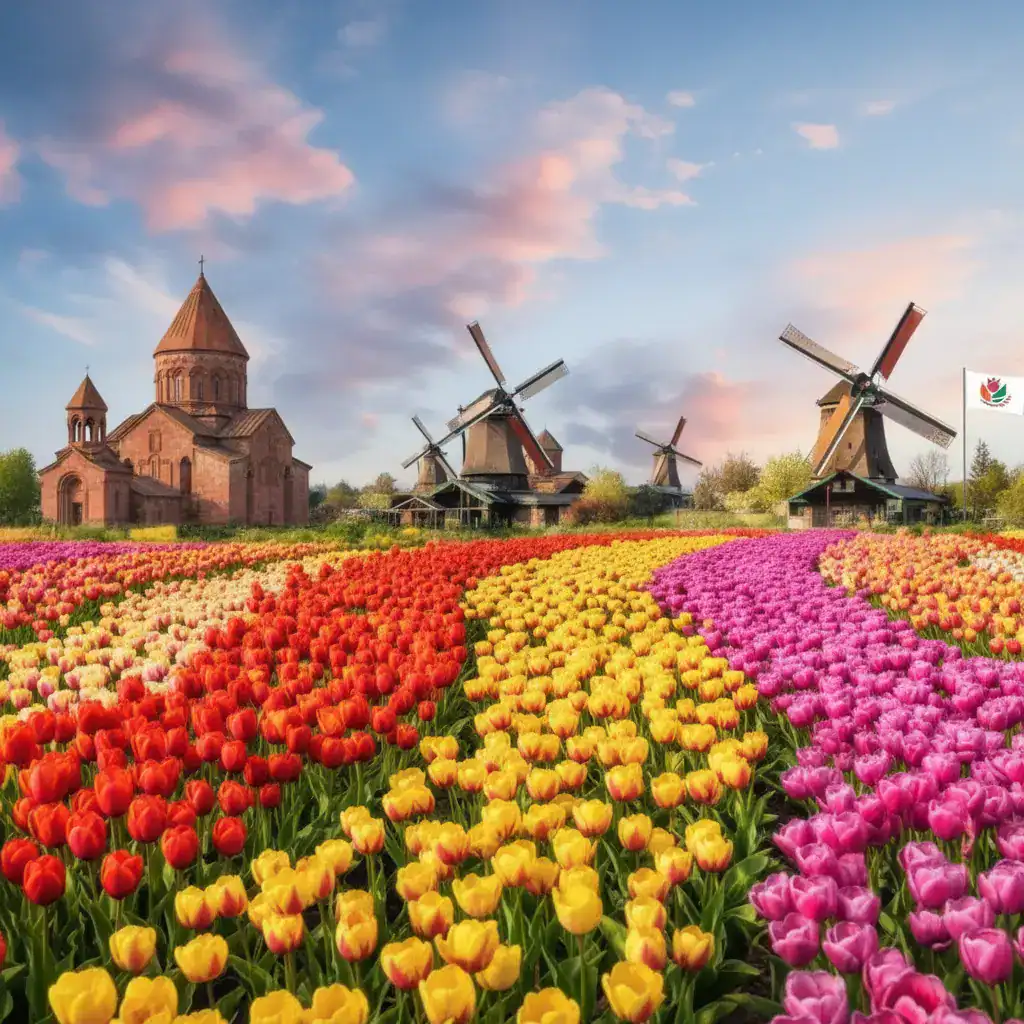
Yerevan, June 7 – The Netherlands has pledged its support for Armenian floriculture, a move that will grant Armenian flower producers access to the Royal FloraHolland market, the world’s largest cooperative market for flowers and ornamental plants. This development was announced by Dutch Foreign Minister Tom Berendsen on his X microblog.
Netherlands to Open Royal FloraHolland Market to Armenian Flowers
According to Minister Berendsen, this initiative will provide Armenian producers with access to buyers throughout Europe and beyond. “The Netherlands supports the European Union’s aid package for Armenia, as previously announced by European Commission President Ursula von der Leyen, and has also explored opportunities to provide practical assistance to the most affected sectors, particularly floriculture,” Berendsen stated.
The diplomat also emphasized the importance of conducting free and fair elections as a foundation for a stable and democratic future, a decision that rests with Armenia itself.
Royal FloraHolland: A Gateway to Global Markets
Royal FloraHolland, headquartered in the Netherlands, is the world’s largest cooperative trading platform for flowers and ornamental plants. It unites thousands of producers and facilitates the daily trade of millions of flowers and plants through an auction system and a digital platform, connecting suppliers with buyers in Europe and other regions worldwide.
Background: Russian Restrictions on Armenian Flower Exports
This support comes after Russia’s Rosselkhoznadzor imposed temporary restrictions on the import of Armenian flower products from May 22, 2026. These restrictions are in place pending the completion of inspections of greenhouse farms and the analysis of their results.
According to data from Armenia’s Ministry of Economy, flower exports amounted to 566 tons in 2024 and reached 1,320 tons in 2025. In total, this represents 78 million flowers. The main markets for Armenian flowers were the EAEU countries and the UAE.
Economic Impact and Future Prospects
The Netherlands’ initiative is expected to significantly boost Armenia’s floriculture sector, which has faced challenges due to recent export limitations. By opening access to the vast European market, Armenian producers can mitigate losses and explore new growth opportunities.
This collaboration underscores the growing economic ties between Armenia and European nations, particularly in sectors where Armenia holds competitive advantages. The focus on floriculture highlights a strategic effort to diversify Armenia’s export markets and strengthen its agricultural sector.
The move is also seen as a part of broader European efforts to support Armenia’s economic development and resilience. The EU’s aid package, coupled with bilateral support from countries like the Netherlands, aims to foster sustainable growth and stability in the region.
Armenian authorities and industry stakeholders are expected to work closely with their Dutch counterparts to ensure a smooth integration into the Royal FloraHolland market, including adherence to quality standards and logistical requirements.
This partnership could serve as a model for future collaborations, enabling other Armenian agricultural products to access international markets and further strengthening the country’s export potential.