

Russia Offers Support for Armenia-Azerbaijan Normalization
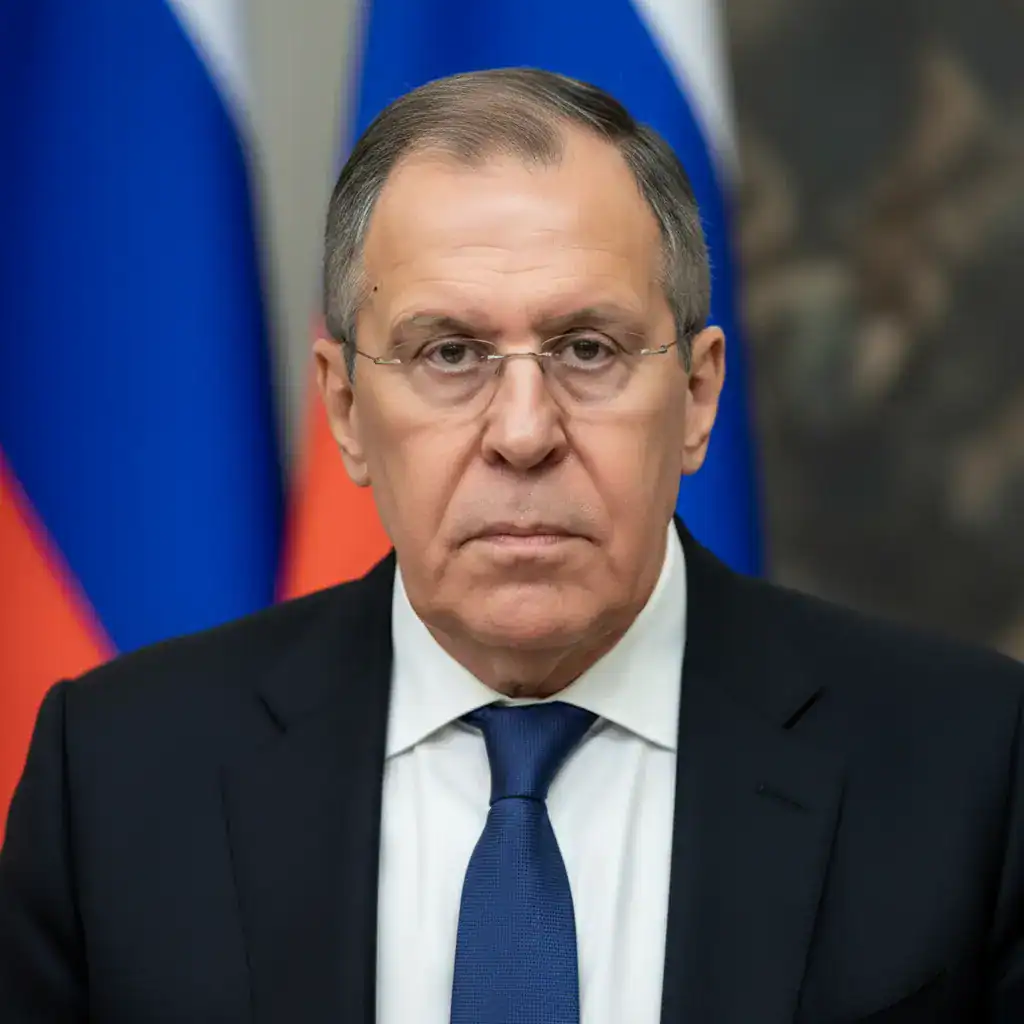
Yerevan, July 18 – Russian Foreign Minister Sergey Lavrov announced yesterday that Russia is prepared to assist Armenia and Azerbaijan in establishing transport and economic connections, as well as resolving humanitarian issues. This statement came after his negotiations with Azerbaijani Foreign Minister Jeyhun Bayramov.
During a press conference held after the talks, Minister Lavrov reiterated Russia’s consistent support for the efforts made by both Azerbaijan and Armenia towards a comprehensive normalization of their relations. He emphasized that this support is based on the tripartite high-level agreements reached in 2020 and 2022.
Unblocking Transport and Economic Communications
Lavrov stated, “As before, we are now ready to help both Baku and Yerevan in unblocking transport and economic communications and resolving humanitarian issues.” This highlights Russia’s ongoing commitment to facilitating peace and cooperation in the South Caucasus region.
The establishment of robust transport and economic ties is considered crucial for the long-term stability and prosperity of both nations. Such connections could foster regional trade, economic development, and cultural exchange, ultimately benefiting the populations of Armenia and Azerbaijan.
Addressing Humanitarian Concerns
Beyond economic and transport matters, the Russian Foreign Minister also stressed the importance of addressing humanitarian issues. This aspect often includes matters related to prisoners of war, missing persons, and the safe return of displaced populations, which are critical for building trust and reconciliation between the two countries.
The announcement underscores Russia’s role as a key mediator in the ongoing normalization process between Armenia and Azerbaijan, following the Nagorno-Karabakh conflict. The international community will be closely watching for further developments and the practical implementation of these proposed initiatives.
This diplomatic effort aims to build on previous agreements and create a more stable and cooperative environment in the region, promoting peaceful coexistence and mutual benefit for all parties involved.