


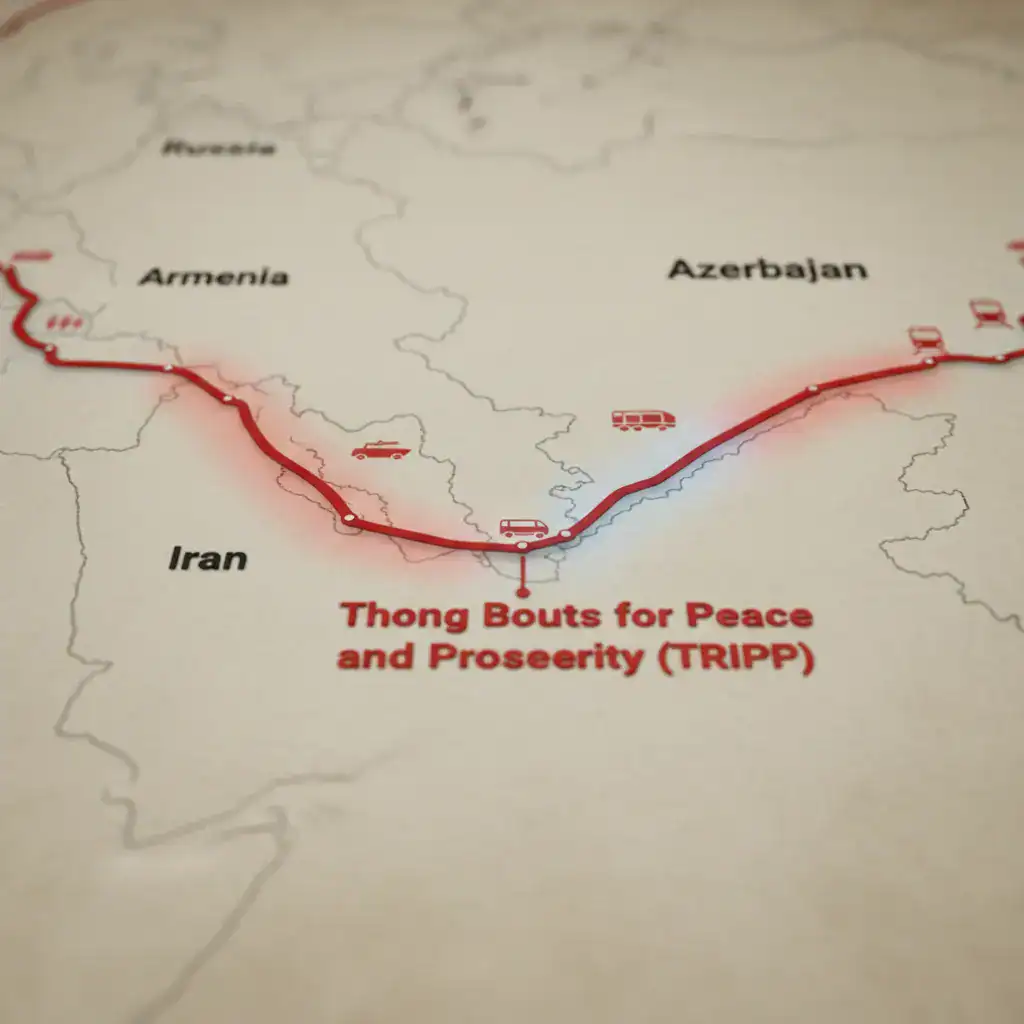
Russia Considers Joining ‘TRIPP’ Project, Emphasizes Regional Cooperation
Yerevan, March 9 – Russian Ambassador to Armenia, Sergey Kopyrkin, has expressed Russia’s willingness to discuss its participation in the ‘TRIPP’ (Trump’s Route for International Peace and Prosperity) project, a joint Armenian-American initiative. The announcement was made during an interview with the ‘Rossiya 24’ TV channel, where Kopyrkin highlighted Moscow’s close cooperation with Armenia in developing the railway sector.
Monitoring the ‘TRIPP’ Initiative
According to the diplomat, Moscow is closely monitoring the development of the initiative, noting that its practical details are ‘just beginning to emerge.’ Kopyrkin emphasized that Russia is prepared to consider joining the project, especially given the strong collaborative efforts between Russia and Armenia in maintaining and developing the railway sector in the Republic of Armenia under a concession agreement.
Russia’s Role in Armenia-Azerbaijan Normalization
Kopyrkin also pointed out Russia’s leading role in unblocking border communications between Armenia and Azerbaijan and in the overall normalization of relations between the two countries. He stressed that cooperation in the transport sector should be ‘mutually beneficial and fair,’ taking into account the interests of the countries in the region and their neighbors.
Context of Regional Developments
The ambassador’s statement comes at a time of heightened regional activity, including reports of an oil refinery fire in Bahrain and missile incidents, as well as ongoing tensions between Israel and Iran. These events underscore the complex geopolitical landscape in which such peace and prosperity initiatives are being discussed.
Future of Regional Transport and Cooperation
The potential involvement of Russia in the ‘TRIPP’ project could significantly impact regional transport infrastructure and foster broader cooperation. The emphasis on mutual benefit and fairness in transport collaboration suggests a strategic approach to integrating regional interests within larger international frameworks.
Source: mamul.am