
Shoigu: Yerevan’s Hosting of Zelensky ‘Mockery’ of Armenian WWII Heroes
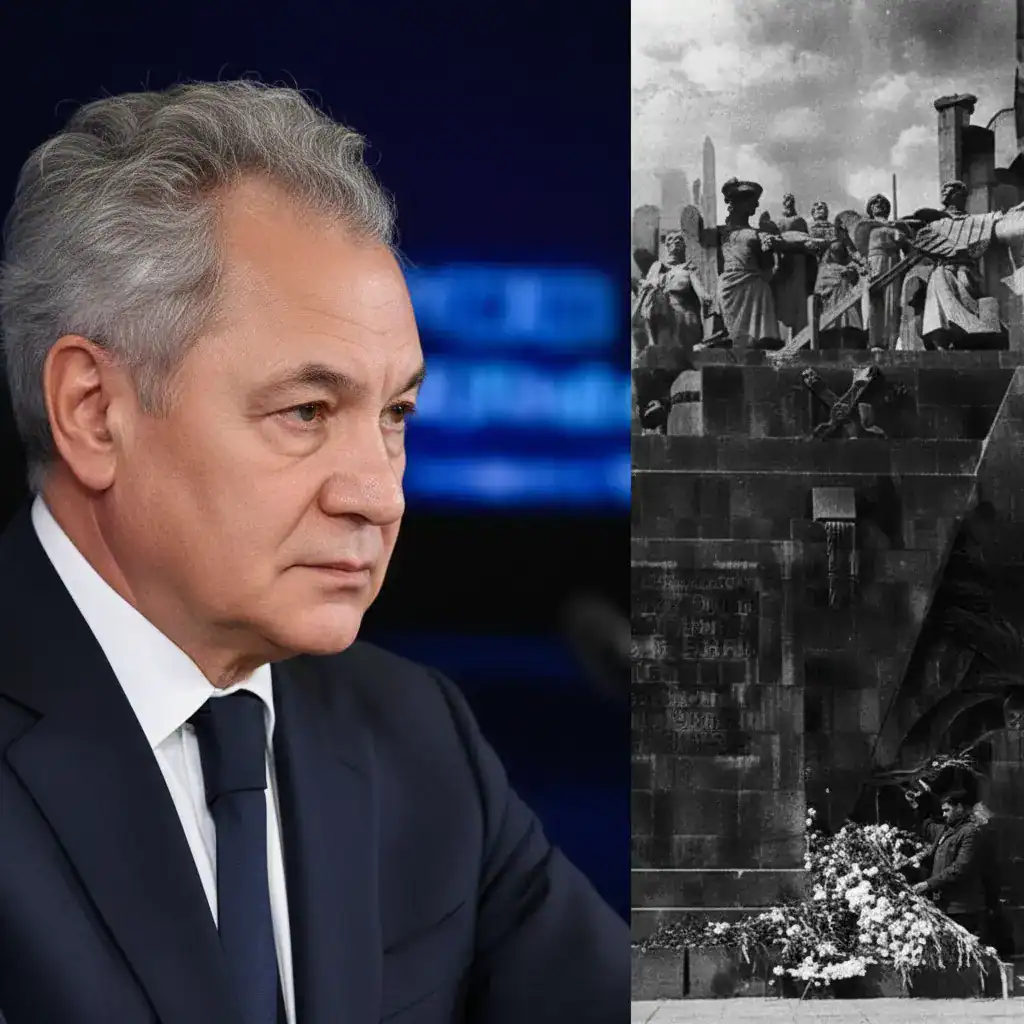
Yerevan, May 20 – Russian Security Council Secretary Sergei Shoigu declared on Wednesday that by providing a platform for Ukrainian President Volodymyr Zelensky at the European Political Community summit, Yerevan has mocked the memory of 1.5 million Armenians who fought against Nazism.
The European Political Community summit took place in the Armenian capital on May 4-5, with Zelensky participating alongside other European leaders.
Zelensky’s Threats from Yerevan Deemed Insulting
“And finally, providing a platform to the Kyiv regime at the European Political Community summit in Yerevan to threaten the Russian Federation. I will address this. Just think about it: the leader of the neo-Nazi Kyiv regime threatened to attack the Victory Day parade from Yerevan. This is nothing but a mockery of the memory of more than 1.5 million Armenians who fought against Nazism-this absolute evil-without sparing their lives,” Shoigu stated during a working group meeting of the Russian Security Council.
Shoigu’s remarks underscore growing tensions between Russia and Armenia, particularly concerning Armenia’s engagement with Western political platforms and its stance on the conflict in Ukraine. The criticism highlights Russia’s sensitivity to historical narratives, especially those related to World War II and the fight against Nazism, which is a cornerstone of Russian national identity and foreign policy rhetoric.
Historical Context and Geopolitical Implications
Armenia has historically maintained close ties with Russia, being a member of the Collective Security Treaty Organization (CSTO) and the Eurasian Economic Union (EAEU). However, in recent years, Yerevan has sought to diversify its foreign policy and strengthen relations with Western countries, including the European Union and the United States. The hosting of the European Political Community summit in Yerevan was seen by some as a step towards greater European integration for Armenia.
Shoigu’s strong condemnation suggests that Moscow views Armenia’s overtures to the West, especially when involving Ukrainian leadership, as a direct challenge to its influence in the South Caucasus region. The reference to ‘neo-Nazism’ in relation to the Kyiv regime is a recurring theme in Russian official discourse, used to delegitimize the Ukrainian government and its allies.
The statement also implicitly pressures Armenia to align more closely with Russian foreign policy objectives and to reconsider its engagement with what Moscow perceives as anti-Russian platforms. The invocation of the memory of Armenian heroes who fought in World War II serves to frame the current geopolitical situation in historical terms, appealing to a shared past of combating fascism.
Armenia’s Balancing Act
Armenia finds itself in a delicate geopolitical position, balancing its traditional alliance with Russia against its aspirations for closer ties with Europe. The country relies on Russia for security guarantees, particularly in the context of its ongoing conflict with Azerbaijan. At the same time, there is a growing desire within Armenia for democratic reforms and economic integration with European structures.
The incident highlighted by Shoigu reflects the complexities and challenges Armenia faces in navigating its foreign policy. Any perceived deviation from Russia’s geopolitical line can lead to strong reactions from Moscow, which views the South Caucasus as part of its sphere of influence.
The remarks by Shoigu are likely to spark further debate within Armenia regarding its foreign policy orientation and the implications of its engagement with various international actors. The Armenian government will need to carefully consider the potential repercussions of such statements on its relations with both Russia and the West.
Source: mamul.am