

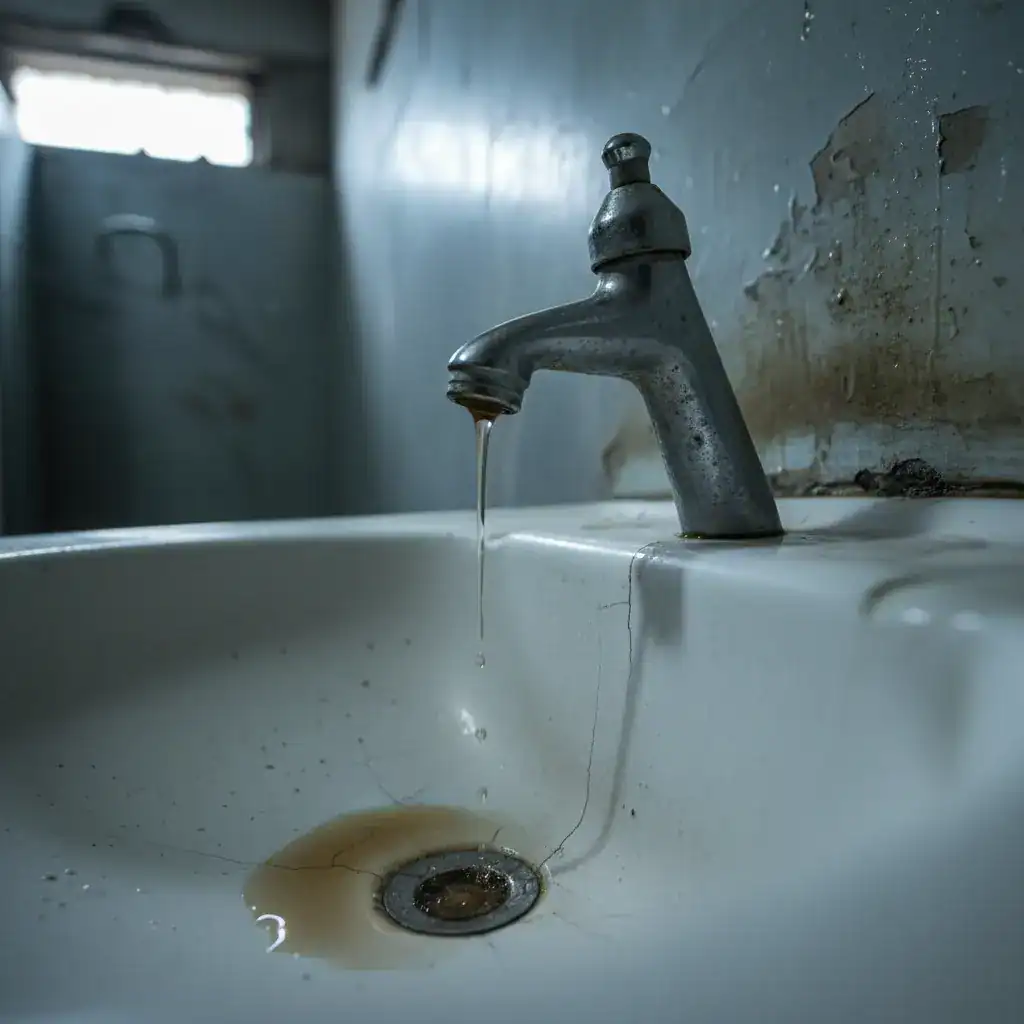
Yerevan, February 26 – Residents of Yerevan are facing significant disruptions to their water supply, with “Veolia Jur” announcing nightly cuts across all 12 administrative districts from May 1 to September 16. This development has intensified concerns about the city’s infrastructure and drawn sharp criticism from opposition figures.
Nightly Water Cuts: A Reality for Yerevan
According to the announcement by “Veolia Jur,” water will be supplied only from 07:00 to 24:00 during the hot summer months. This measure is expected to affect a large portion of the city’s population and has already become a point of contention.
Derenik Malkhasyan, a member of the “Mother Armenia” party, shared a video on his Facebook page, highlighting the severity of the situation. He stated, “A week ago, with Aregnaz Manukyan on ‘MAHAKTV,’ we addressed Yerevan’s problems. We noted that due to wild construction, Yerevan’s infrastructure would soon collapse. And today, we learn that during the hot summer months, the entire city of Yerevan will be deprived of water supply at night.”
Opposition Warns of Broader Infrastructure Crisis
Malkhasyan’s concerns extend beyond water supply, as he ominously predicted, “Soon, it will be the turn of electricity supply.” This statement underscores a growing sentiment among some political figures that the city’s essential services are on the brink of a systemic failure.
The root cause, according to Malkhasyan and others, is uncontrolled construction and inadequate urban planning, which has placed immense strain on existing infrastructure. The “Veolia Jur” decision, coming just months before the summer heat, is seen by critics as a stark indicator of deeper issues.
Political Reactions and Public Outcry
The announcement has not only drawn criticism from opposition parties but has also ignited public debate. Social media platforms are abuzz with residents expressing their frustration and concern over the impending water shortages.
Tatoul Hakobyan, another prominent figure, commented on the situation, stating, “‘Veolia Jur’s’ step before the elections would have worked exclusively against the government.” This suggests a political dimension to the water crisis, with opposition figures attempting to leverage public discontent against the current administration.
Areg Savgulyan added, “From now on, he himself will ‘put in place’ the bargains with the church.” While seemingly unrelated, this comment might allude to a broader dissatisfaction with governance and the handling of public affairs.
Historical Context and Future Implications
This is not the first time Yerevan has faced challenges with its utility services. Past issues with electricity and other essential supplies have often led to public protests and political debates. The current water crisis, however, seems to be a more direct consequence of rapid, unplanned urban development.
The long-term implications of such infrastructure strain could be severe, impacting not only the quality of life for residents but also the city’s economic development and environmental sustainability. Experts warn that without comprehensive urban planning and investment in infrastructure, Yerevan could face more frequent and severe disruptions in the future.
Government’s Stance and Potential Solutions
While the raw data does not include a direct response from the government or “Veolia Jur” beyond the announcement of the cuts, the political commentary suggests that the issue is highly politicized. It remains to be seen how the authorities will address the public outcry and the concerns raised by opposition figures.
Possible solutions could include accelerated investment in water infrastructure, more stringent regulations on construction, and a review of urban development policies. However, any effective solution would require a concerted effort from all stakeholders and a long-term vision for the city’s sustainable growth.
The coming months will be crucial for Yerevan, as residents grapple with water shortages and the city’s political landscape continues to react to these pressing issues.