



Global travel is moving fast, and 2027 is set to bring big changes to tourism marketing. The simple “bucket list” trip is fading. In its place is a newer idea some call “Intentionalism.” People are not just asking where to go, but why they should go.
Many now want trips that shape their identity, support their health, or help them understand the planet better. This shift-seen both on the road and online-pushes tourism marketers to change too. Shiny ads are not enough anymore.
Brands need stories that connect with real human goals and feelings. We are seeing smarter tech, stronger interest in sustainability, and a steady focus on the full travel experience. This changes how destinations, hotels, and tour operators reach people.
Why Do Tourism Marketing Trends Matter in 2027?
Following tourism trends is not just about being up to date. It’s about staying strong in an industry that is changing in major ways. In 2027, hospitality businesses face a mix of pressure points: economic ups and downs, ongoing worker shortages, and the real effects of climate change.
At the same time, traveler expectations keep rising. People want trips that feel personal, responsible, and meaningful. Businesses that track these trends can stay competitive and meet what customers now expect.
How Changing Traveler Expectations Reshape Tourism Marketing
Many travelers now want more than quick sightseeing. They want “high-fidelity immersion,” meaning they want to feel like they are truly part of a place. That could mean joining local traditions, helping with reforestation, or visiting places that match the mood of a favorite video game.
Because of this, marketing cannot just list features like pools and breakfast. It needs a story about people, culture, and personal change. Travel is moving from passive watching to active taking part, and brands must offer experiences that can inspire and shift how someone sees the world.
The Business Impact of Adapting to Future Trends
For hotels and tourism companies, keeping up with these new patterns is no longer optional. Businesses that take action early on sustainability, new tech, and unique trip ideas can stand out and build a stronger image.
By watching yearly travel trends, teams can create highly personal services, use flexible pricing, and build travel packages that bring in more bookings and revenue. Putting money into digital tools, AI, and greener operations can also improve day-to-day work, lower costs, and help companies respond faster when the market changes. The same applies to visibility: as travelers start their planning inside AI assistants, being present in those answers becomes its own line of work — https://non.agency/en/blog/generative-engine-optimization-geo-a-complete-guide-to-ai-visibility/
1. Artificial Intelligence and Automation Drive Traveler Engagement
AI is quickly moving from “future tech” to an everyday tool, changing both business and leisure travel. By 2027, AI and automation will be standard in many travel brands, supporting each step of the customer journey and making trips easier, more personal, and faster to manage.
What AI Applications Will Transform Tourism Marketing by 2027?
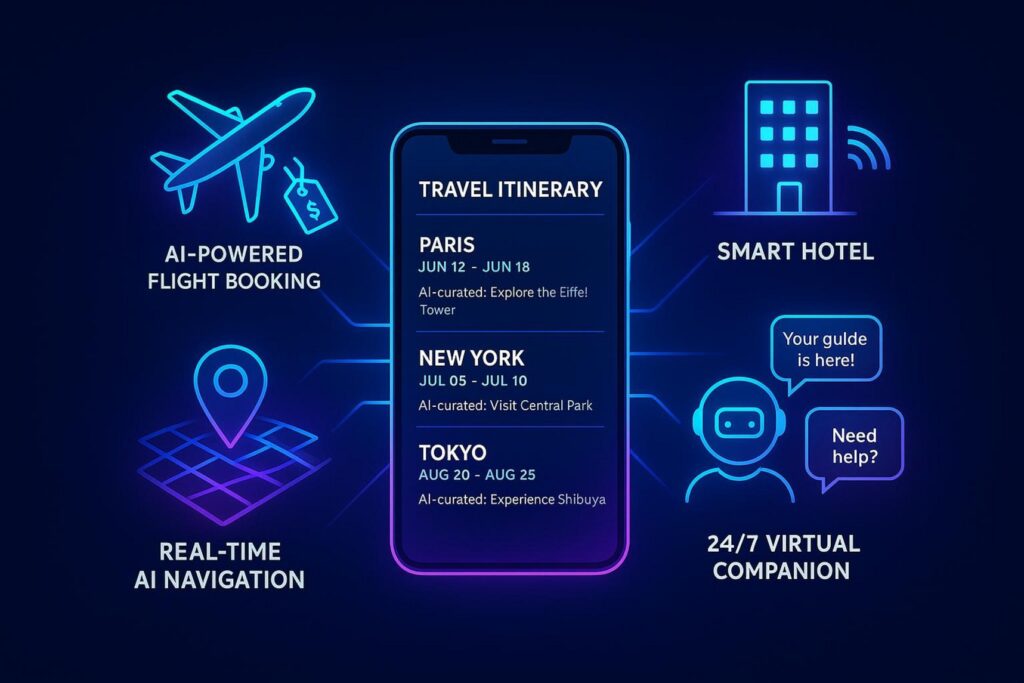
AI will show up almost everywhere in tourism marketing. Hotels already use AI for price changes by demand, guest grouping, and revenue forecasts. Some report noticeable RevPAR gains once AI tools are fully in place. AI also supports personal trip planning, suggesting ideas based on preferences and past bookings.
Real-time AI “companions” can help travelers on the go, giving directions and local tips. For corporate travel teams, AI helps with forecasting, faster supplier talks, travel policy checks, and detailed spending reviews-making operations smoother and planning smarter.
How Automation Improves the Customer Journey and Personalization
Automation is removing friction from travel. By 2027, many business trips will run through connected platforms that handle flights, hotels, local transport, expenses, and messaging in one place. This reduces paper plans, printed passes, and manual expense work. For leisure trips, AI chatbots can draft the basic itinerary, then travelers add local detail and “hidden gems” from human-only forums.
This “Travel Mixology” keeps planning fast while still feeling real. Tools like mobile check-in, digital room keys, and smart room features-often linked to AI-make travel easier and more personal, supporting stronger guest satisfaction and repeat visits.
2. Sustainability Becomes a Core Brand Value
Sustainability has moved from a small interest to a main driver of brand identity and buying decisions. By 2027, being “carbon-neutral” will feel like a basic expectation, not a nice extra, as many travelers use “Logistics of Conscience” as a key filter during planning.
How Eco-Conscious Travelers Influence Marketing Strategies
More travelers are checking the environmental and social impact of their trips, from emissions to the damage caused by overcrowding. This pushes demand for eco-friendly options and for brands that share clear, measurable proof of their actions. Some travelers are moving beyond “less harm” and into “regenerative” travel, where the trip helps restore nature or support local communities.
Marketing needs to show real actions, such as public sustainability dashboards, community-run lodges, and “travel twin” options that offer similar experiences to crowded places but with less strain. Another result is “Cool-cations,” where people choose cooler summer spots like Scandinavia or the Canadian Rockies as heat rises in classic warm-weather destinations.
ESG Compliance and Destination Marketing: Risk or Opportunity?
For destinations and businesses, ESG (Environmental, Social, and Governance) standards are moving from “optional” to required by law, investors, or both. Bali has tourist sustainability taxes, Barcelona limits nightly stays, and the Maldives requires renewable energy in new resort projects. Investors also want ESG reporting and proof that green upgrades pay off. These rules can be hard, but they also open doors.
Places that plan ahead with climate risk planning, green systems, and smarter resource use can become more stable, reduce overcrowding, and help local economies year-round. If marketed with clear facts, these actions can attract travelers who choose brands that match their values.
3. Wellness and Health Tourism Expand Market Share
Wellness tourism has grown into a major cultural change, with health becoming a key part of trip planning. This market is expected to pass $1 trillion by 2027, growing at over 9% CAGR, and it is reshaping what “vacation” means for many people.
What Drives Demand for Medical-Grade and Wellness Experiences?
Many travelers now plan trips around physical and mental recovery. This is a move from simple rest to active repair. One example is the “Glow-cation,” where people build plans around beauty and health tech. Seoul, for instance, is known for dermatology-tech tours mixed with traditional temple stays.
Interest is also rising in longevity retreats in “Blue Zones” like Sardinia, where modern testing meets long-standing food and lifestyle habits for a full “reboot.” In Asia, places like Thailand and Bali are moving past classic spa models into longevity clinics, diagnostics centers, and biohacking retreats, making wellness a main selling point and a major investment target.
Positioning Destinations for Holistic Wellbeing
More destinations are selling themselves as places for full-body and full-mind wellbeing. That goes beyond spa menus and includes mindfulness programs, nature-based activities like forest bathing, and spaces built for calm and recovery from busy daily life.
Employee wellbeing is also gaining importance in corporate travel, with companies choosing direct flights, better hotel locations, reasonable schedules, and rest days for long-haul travel to support staff happiness and output.
At the same time, “Hushpitality” is growing as people get tired of constant screens and noise. Some hotels now market what they remove-noise, constant connection, and too many choices-so travelers can enjoy “No-Stimulus Escapes” in places like Bhutan or South Caicos.
4. Hyper-Personalization and Digital Experience Improve Loyalty
Travelers have endless choices, so the digital customer experience often decides who wins. Hyper-personalization, powered by data and tech, helps brands build stronger relationships and keep customers coming back.
How Data and Technology Enable Customized Offers
Travelers expect smooth, personal experiences across every step, from online inspiration to post-trip reviews. Data and AI make this possible by powering recommendations and packages based on preferences, past bookings, and real-time behavior.
Smart hotel tools-where guests control parts of their stay through an app or voice-are becoming normal. This kind of personalization can increase bookings and also make guests feel recognized, which supports loyalty.
Omnichannel Marketing and Frictionless Booking
Travel planning now happens across many places: AI tools, blogs, social channels, and YouTube. Strong brands build one main message and adjust it for each platform in a natural way, so it stays consistent but fits the channel. Email is also returning as a way to create direct, personal communication. At the same time, frictionless booking and trip logistics matter more than ever. The “hybrid era” mixes AI chatbots for the basic plan with human-only forums for local detail.
Few travel brands have measured what that first channel is actually worth to them. As Rad Paluszak from NON.agency puts it: “If your competitors get 8% of traffic from AI and you get 0.5%, that gap is the opportunity.” When an assistant drafts the outline of a trip, the operators and destinations it names shape the whole plan that follows — which makes the difference between appearing there and not appearing there worth checking.
Biometrics like facial recognition at airports are moving quickly, aiming for a smooth, touch-free airport walk-through at major hubs by 2027. Contactless payments, already common in many places, also speed up purchases and match the push for digital-first travel — building loyalty through ease and personal fit.
5. Authentic Local Experiences and Community Integration Gain Traction
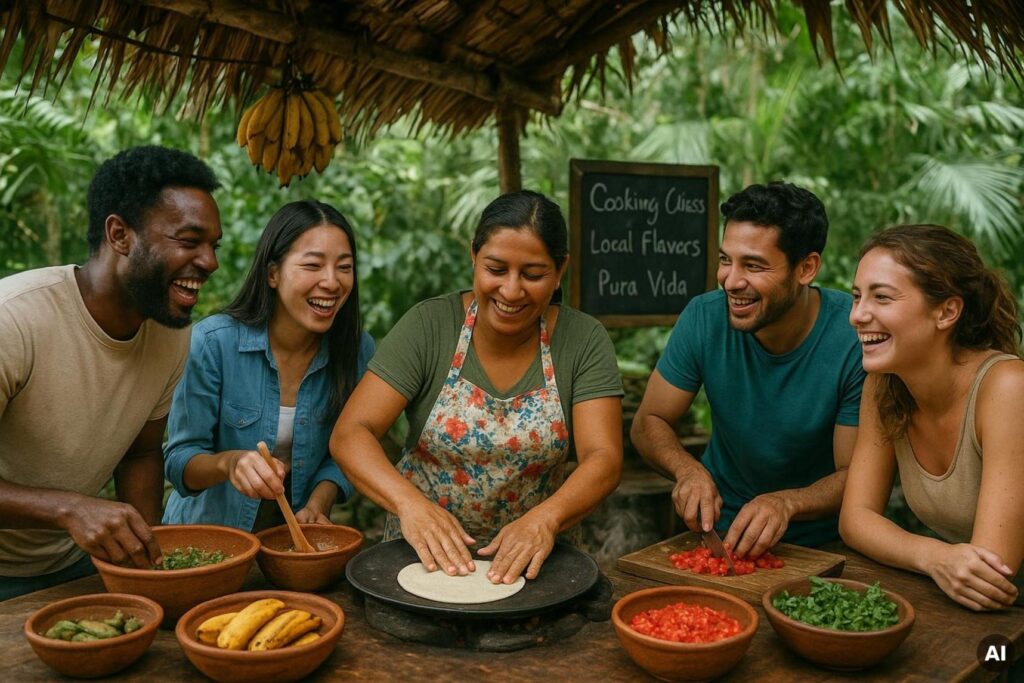
As mass tourism grows, many travelers want something deeper: real connections and experiences that get closer to a place and its people. This move away from quick sightseeing and into “high-fidelity immersion” is changing how travel is sold and how people travel.
Why Do Travelers Seek Genuine Connections in 2027?
In 2027, more travelers want authentic experiences away from overcrowded hotspots. They want to meet locals, learn regional traditions, and experience everyday culture. This links to a wider shift where travel is seen as a chosen pause for reflection and a way to show personal values.
Many travelers-especially younger people and solo explorers-want emotional connection and meaningful moments that can change their view of life. That pushes demand for community-based activities and unique, immersive experiences instead of standard schedules.
Evolving Narratives: Storytelling Over Standard Itineraries
For tourism brands, the push for authenticity is a chance to move away from mass travel and offer more meaningful trips. Marketing should focus on stories built around community and culture, not just rooms and facilities. Promoting “Indigenous First” programs, for example, helps keep tourism money local and supports real community-led experiences-like joining reforestation work in Costa Rica.
The growth of “set-jetting” (visiting places seen in films or series) and “gami-vacations” (visiting places that feel like open-world video games) also shows how much travelers care about story. Destinations can use these trends by creating clear narratives that let travelers step into favorite fictional worlds or explore places that feel familiar and vivid, building a stronger sense of connection.
6. The Influence of Gen Z and Emerging Markets
Travel is shifting in who drives demand and where growth happens. Gen Z is becoming one of the strongest forces in travel, and new travel leaders are rising, especially across Asia, Africa, and Latin America.
What Does Gen Z Demand from Tourism Brands?
Gen Z travels more often than older generations, averaging about 4.5 trips per year, and they spend more on travel too-around $11.7k annually. They often choose trips based on sustainability, authenticity, and story. While 61% say sustainability matters, only about a quarter will pay more for it, which shows they want sustainable travel to be normal, not a pricey add-on.
Many are drawn to “quiet luxury,” meaning understated quality and experiences that feel meaningful rather than flashy. Gen Z also books later, showing a preference for quick, intentional breaks and last-minute trips that feel good. To reach them, brands need real video content, clear messaging about values, and event-based packages tied to festivals or sports events.
Rise of Asia, Africa, and Latin America as Tourism Powerhouses
By 2030, the global travel balance is expected to shift. China’s recovery has been slower, but Southeast Asia is growing quickly. Places like Thailand, Indonesia, and Vietnam were already above 2019 arrival levels by Q2 2024.
Japan is drawing luxury travelers for longer stays, and the UAE is pushing data-based wellness tourism as part of its national growth plan. This shows why Asia, Africa, and Latin America matter more each year-not just as sources of travelers, but as strong destinations with cultural, adventure, and wellness appeal.
Growth in extended-stay hotels and branded residences in places like Singapore, Bali, and Ho Chi Minh City also signals a developer move toward long-stay demand, supported by visa changes, lower operating costs, and steadier income.
7. Technology Innovations Reshape the Tourism Experience
Technology remains one of the strongest forces changing tourism, affecting how people plan, travel, and judge trips. Putting money into new tech early matters for long-term results because it opens new ways to offer personal service and run operations more efficiently.
Virtual Reality, Metaverse, and Smart Destinations
Virtual Reality (VR) and Augmented Reality (AR) are already changing tourism. VR lets people explore a place before they book, giving an immersive preview that can help them decide. AR improves the on-site visit with interactive info and guidance, turning a walk into a more engaging tour.
The metaverse also may support new digital travel experiences or add layers to physical travel. Smart destinations use data tools and AI, including real-time analytics, to predict demand, manage visitor flows, and improve services, helping the full visitor system work better.
The Internet of Things and Contactless Solutions in Hospitality
The Internet of Things (IoT) powers the “smart hotel” shift. Guests can adjust room temperature, lighting, and more through apps or voice commands, creating a more personal stay. This connection also helps behind the scenes, where AI can predict food waste, improve inventory, and reduce staffing problems, supporting greener and smoother operations.
Contactless tools are also spreading quickly. Contactless payments are now standard in many areas, speeding up transactions and matching the move to digital interactions. Biometrics like Touchless ID at airports are also growing to reduce the need for physical documents, aiming for a smooth trip from curb to gate and beyond. Together, these tools make travel easier, faster, and better matched to each guest.
Key Challenges and Opportunities for Marketers in 2027
The tourism market in 2027 brings plenty of opportunity, but it also comes with real challenges. Marketers must respond quickly and plan ahead to stay relevant and keep growing.
Risks of Failing to Adapt to Rapid Change
Hospitality continues to deal with inflation, worker shortages, and stronger climate impacts. Brands that do not keep up with changing traveler needs can quickly lose their position in the market.
If a company ignores sustainability, avoids tech upgrades, or fails to offer personal and authentic experiences, it may fall behind. Also, relying too heavily on old marketing methods in a time of AI-driven discovery and multi-channel journeys can reduce visibility and lead to missed demand.
Part of that shift is a change in what actually drives visibility. As Rad Paluszak from NON.agency puts it: “AI engines care more about mentions than links. That’s a big change from classic SEO.” For a hotel or tour operator, being consistently named in reviews, guides, and travel communities now does work that a link-building programme alone no longer covers.
Travel has also become more financially serious in some areas, with non-refundable deposits on luxury trips and special medical evacuation needs for remote travel. This makes full travel insurance a planning must that marketers can highlight.
Winning Strategies for Sustainable Tourism Growth
To succeed in 2027 and after, tourism brands and destinations need a balanced plan. Early investment in digital tools-especially AI-driven personalization and contactless payments-matters. Brands also need to keep updating services to match what travelers now want, including sustainable options and individual experiences. That means treating AI and sustainability as core parts of the business, not side projects.
At the same time, keeping the human side of service still matters, even as automation grows. Travel agencies, hotels, and destinations that blend digital speed with real warmth and strong storytelling will connect best with the intentional traveler of the future.
Frequently Asked Questions about Tourism Marketing Trends in 2027
What Is the Biggest Upcoming Trend in Tourism Marketing?
The biggest trends for 2027 are the two pillars of Artificial Intelligence and Sustainability. AI will drive personalization, smoother operations, and better booking experiences. Sustainability will become a core brand value, shaping traveler choice and laws and standards. Together, they will change how travel is planned, experienced, and marketed, pushing the industry toward clearer reporting, new tech, and more responsible travel.
How Can Small Tourism Businesses Keep Up with Global Trends?
Small tourism businesses can do well by leaning into what makes them special: local authenticity, real experiences, and personal service. Use digital tools for booking and customer support, but keep the human touch clear. Work with local communities to create real cultural interaction. Use social media and storytelling to share your story and your sustainability actions. Even small AI tools for basic automation and personalization can help you compete without a huge budget.
Will AI Replace Human Marketers in Tourism?
No. AI will not replace human marketers; it will support their work. AI can take care of repeated tasks, data review, and personalization, giving people more time for strategy, creativity, emotional connection, and storytelling. “Travel Mixology,” where AI builds the basic plan and humans add local detail and feeling, is a good example of how this works. Human judgment, empathy, and story-building still matter.
Which Destinations Will Benefit Most from These Trends?
Destinations that mix culture, nature, and unique experiences-while also focusing on sustainability and wellness-will gain the most. This includes places with strong local culture, adventure travel, medical-grade wellness retreats, and locations linked to popular films and series (set-jetting). Cooler “Cool-cation” regions and destinations that build ESG rules and smart tourism systems into their plans will also attract more of the intentional, eco-aware traveler in 2027.










Leave a comment