


Yerevan, Armenia – Armenia and Azerbaijan will connect their energy systems as part of the Trump Route for International Peace and Prosperity (TRIPP) project, Prime Minister Nikol Pashinyan announced in parliament on Wednesday. This move signifies a crucial step towards regional connectivity and economic integration between the two nations.
Energy Systems Interconnection: A Key Component of TRIPP
Prime Minister Pashinyan stated, “The energy systems of Armenia and Azerbaijan will definitely be interconnected, and on a reciprocal basis, both sides will have the same opportunities to export and import electricity.” His remarks came during parliamentary discussions concerning regional connectivity projects and their economic implications.
The Prime Minister emphasized that the planned interconnection would operate on mutually agreed terms, granting both countries access to cross-border electricity trade. This reciprocal arrangement is designed to ensure equitable benefits and shared responsibilities in energy exchange.
The TRIPP Initiative: Beyond Energy Links
The TRIPP initiative envisions the restoration and development of transport and energy links across the South Caucasus, following a normalization deal between Armenia and Azerbaijan. The Armenian government has presented this project as part of broader efforts to open regional routes and integrate Armenia into cross-border economic networks. Conversely, Baku primarily views it as a connection between its mainland territory and its Nakhichevan exclave, traversing Armenia’s southern Syunik region.
Earlier this month, Armenian and U.S. officials revealed further details of the project. It would permit Azerbaijani trucks and trains to enter Armenia without direct interaction with Armenian border guards. Instead, third-party intermediaries would handle document collection and fee processing, subsequently passing them to Armenian officers operating in a designated “back office.”
Officials have reassured that this arrangement would uphold Armenia’s full sovereignty over its territory and borders, with all Armenian laws remaining in effect. The project is slated to be managed by a joint Armenian-American venture, underscoring international involvement and support.
Infrastructure Development and Future Phases
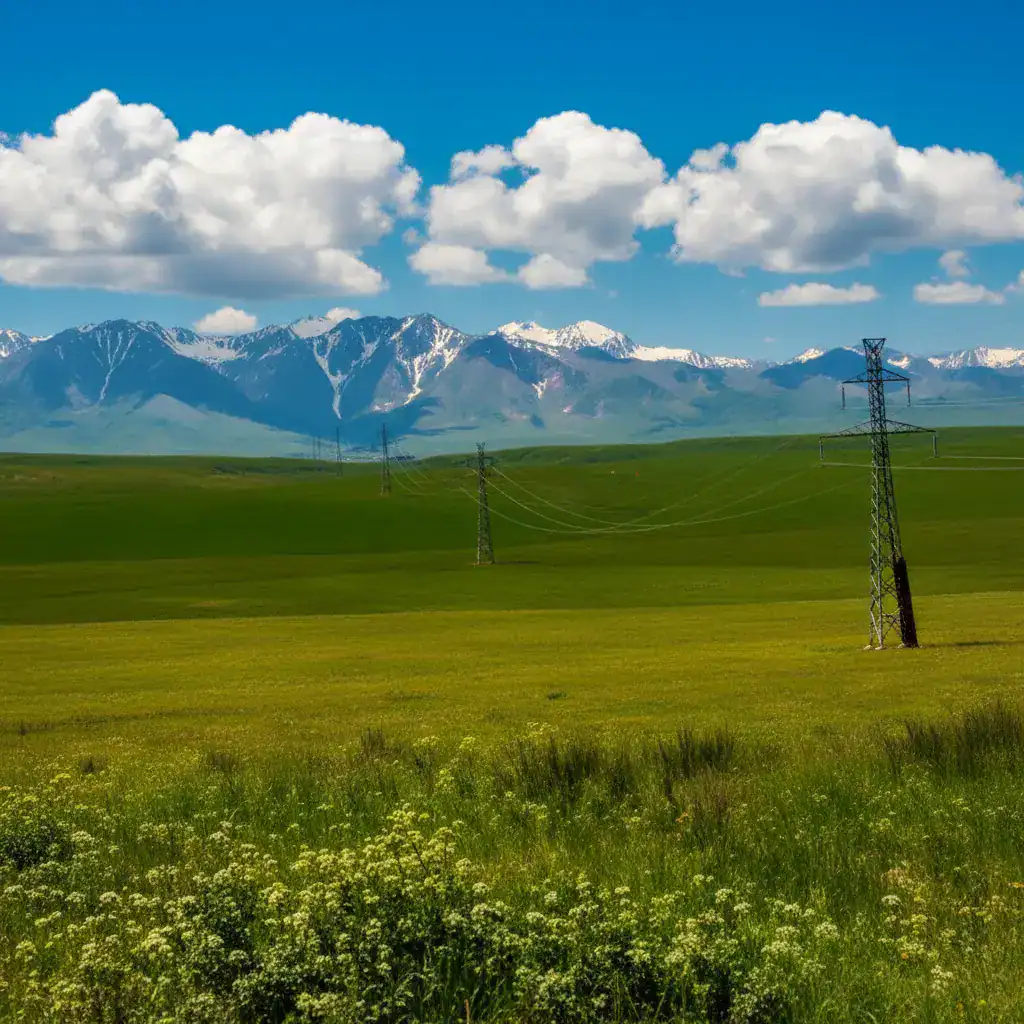
U.S. Ambassador to Armenia Kristina Kvien informed CivilNet last month that the construction of a railway connection would be the initial phase of the project. Subsequent components will include a highway, an oil pipeline, and power transmission lines, indicating a comprehensive approach to infrastructure development in the region.
Armenia currently boasts a diversified energy mix, incorporating hydropower, thermal power plants, a nuclear power station, as well as solar and wind generation. The country already exports a portion of its electricity to neighboring Georgia and Iran, showcasing its existing capacity for energy trade.
Regional Context and Broader Implications
The TRIPP project aligns with ongoing discussions about fostering peace and stability in the South Caucasus. The interconnection of energy systems is seen as a tangible step towards building mutual trust and economic interdependence, which are crucial for long-term regional development.
This development follows recent reports on increased hybrid threats and foreign interference expected in Armenia, particularly in the lead-up to the 2026 general elections. However, the TRIPP project focuses on economic collaboration, aiming to create a more stable and prosperous environment.
The announcement also comes after Prime Minister Pashinyan accepted an invitation to join the Board of Peace, a U.S.-led intergovernmental organization proposed by President Donald Trump to promote stability and secure enduring peace in conflict-affected areas. Armenia’s involvement in such international initiatives, alongside regional projects like TRIPP, highlights its commitment to fostering a peaceful and integrated South Caucasus.
The successful implementation of the TRIPP project, particularly the energy system interconnection, is expected to have significant economic benefits for both Armenia and Azerbaijan, facilitating trade, reducing energy costs, and promoting regional stability.