


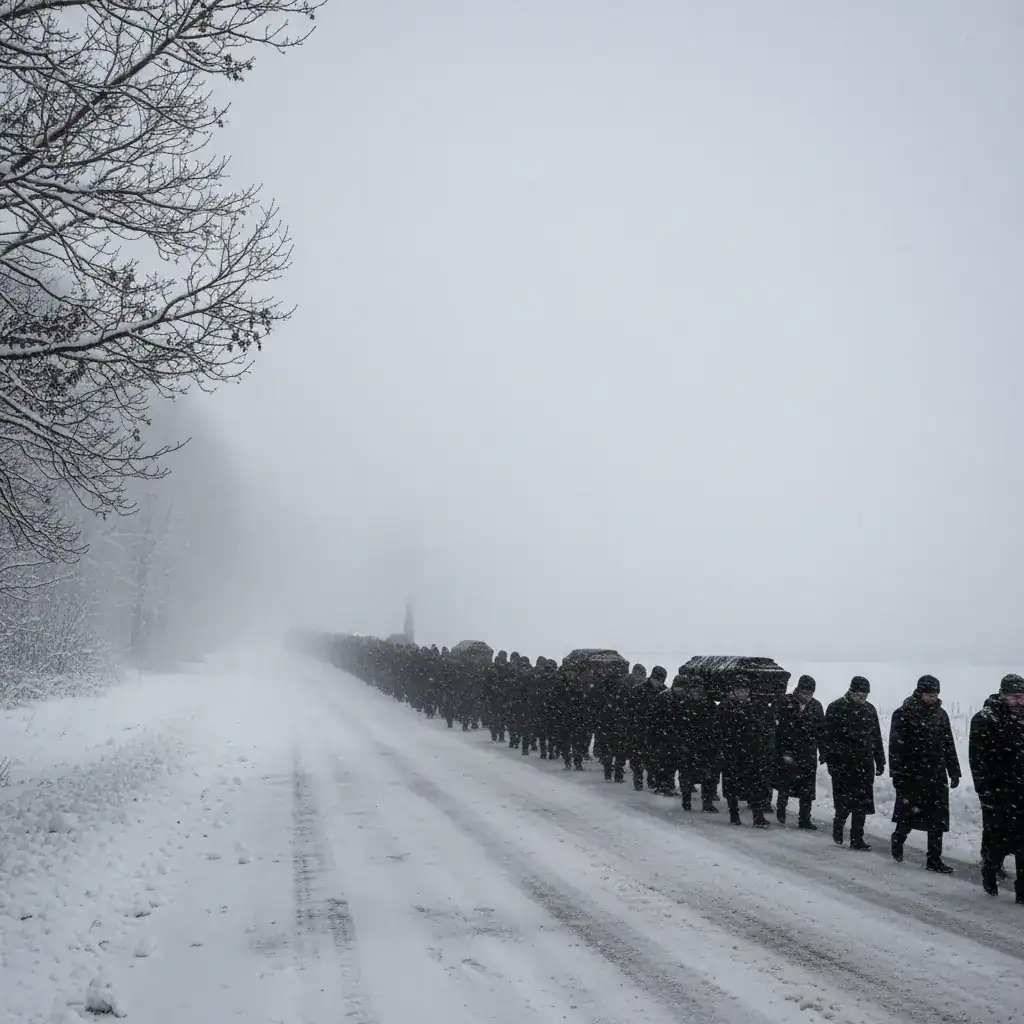
Iran Confirms Supreme Leader Khamenei’s Death, Declares 40-Day Mourning
Tehran, March 1, 2026 – Iran has officially confirmed the death of its Supreme Leader, Ali Khamenei, and subsequently declared a 40-day period of national mourning. The announcement comes amidst a highly volatile regional situation, with reports of extensive military actions and heightened tensions involving Iran, the United States, and Israel.
According to various sources, Khamenei’s body was reportedly recovered from debris, suggesting his death may have occurred during recent strikes. This event has triggered widespread reactions and discussions regarding the future political landscape of Iran and its implications for the broader Middle East.
Regional Developments and International Reactions
The confirmation of Khamenei’s death follows a period of intense military activity. Reports from February 28 indicated that Israel considered an airstrike on Iran as the largest in the history of its air force. Axios also reported that the US and Israel were expected to bomb Iran for at least five days. These actions appear to be part of a broader attempt to reshape Iran’s political structure, with some analysts, like Ara Poghosyan, suggesting that the US and Israel aim to reformat Iran into a secular state.
In response to these strikes, Iran reportedly launched hypersonic missiles, as reported by ISNA, and attacked US military bases in seven countries. The Iranian Defense Minister also stated that American radars in Qatar were destroyed. Furthermore, Iran closed the Strait of Hormuz, a critical chokepoint for global oil supplies, according to Reuters. These retaliatory actions underscore the severity of the ongoing conflict.
Humanitarian Impact and Casualties
The conflict has resulted in significant casualties. Iran announced over 200 deaths, and specifically, 85 casualties were reported from an attack on a girls’ school. The US also commented on the strike on the Iranian school, indicating the widespread impact of the hostilities. The family of Khamenei also reportedly suffered losses due to the strikes.
Armenia’s Perspective and Concerns
The events unfolding in Iran are of significant concern to Armenia. Nikol Pashinyan, during a Security Council meeting, discussed the developments around the Islamic Republic of Iran and in the Middle East. David Ananyan emphasized that what is happening in Iran cannot be ‘external’ for Armenia, highlighting the deep interconnectedness of regional affairs. The Armenian Embassy in Kuwait also issued a statement, likely related to the security situation for its citizens abroad.
Political and Social Unrest
Domestically, there are signs of political maneuvering and dissent. Tigran Avinyan’s ‘innocent’ culprits were mentioned, and Eric Beglaryan questioned why the government should change immediately after a defeat. Vahagn Davtyan viewed the strikes as an attempt at a major reformation. These internal discussions suggest a period of political uncertainty within Iran and its neighboring countries.
Travel Disruptions
The escalating situation has also led to travel disruptions. Two flights from Yerevan to the UAE were canceled, and Italy’s Minister of Defense was unable to return home from Dubai, likely due to the closure of airspace or other security concerns arising from the conflict.
The death of Ali Khamenei and the ensuing regional instability mark a critical juncture for the Middle East, with potential long-term consequences for international relations and regional security.
Source: mamul.am