
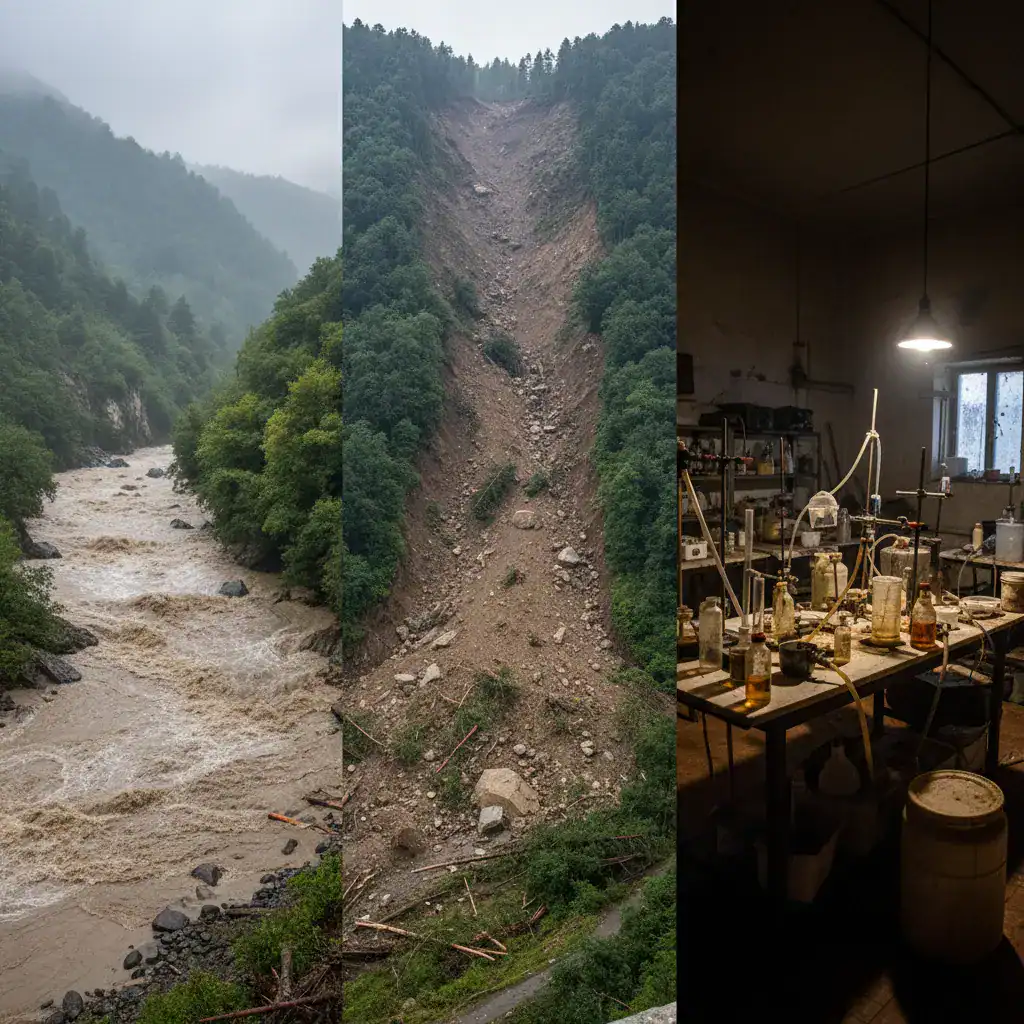
Yerevan, March 29 – Recent developments in Armenia include rising river levels in the Syunik and Tavush regions, which, despite the increase, have caused no damage or injuries. Concurrently, a significant drug manufacturing facility has been discovered in Yerevan, equipped with a specialized greenhouse for cultivation.
Domestic Updates: Rivers, Roads, and Revenue
In the past hour, several key events have unfolded across Armenia. The water levels in the rivers of Syunik and Tavush have significantly risen. Authorities have confirmed that, fortunately, there have been no reports of damage to infrastructure or casualties among the population. This comes after temporary road closures in Syunik due to rockfalls, which have since been cleared and traffic restored.
A major breakthrough in law enforcement occurred in Yerevan with the discovery of a drug manufacturing facility. This operation, equipped with a special greenhouse, highlights ongoing efforts to combat illegal drug production within the capital. Prime Minister Nikol Pashinyan has announced a substantial increase in state budget revenues, emphasizing the ongoing process of recovering illegally acquired property, signaling a strong stance against corruption and illicit gains.
Diplomatic Engagements and Regional Volatility
On the diplomatic front, the Foreign Ministers of Armenia and Iran have engaged in discussions concerning regional developments and humanitarian issues, underscoring the complex geopolitical landscape of the region. Furthermore, a high-level meeting is reportedly scheduled in Islamabad to address the escalating situation in the Middle East, indicating international concern and efforts to de-escalate tensions.
The international community has reacted strongly to recent events. Russia has condemned strikes on Iranian nuclear facilities, calling for an international response to these actions. This condemnation comes amidst reports of Israeli strikes in Lebanon resulting in journalist casualties, further fueling regional instability. Israel, in turn, has announced the completion of a new wave of strikes on infrastructure in Tehran, signaling a continued escalation of conflict in the Middle East.
Broader Context: Ongoing Tensions and International Reactions
These events unfold against a backdrop of increasing volatility in the Middle East, with various actors engaged in a complex interplay of military actions and diplomatic maneuvers. The situation remains fluid, with potential for further escalation, as international bodies and individual nations attempt to navigate and influence the course of events.
The Armenian government’s focus on internal economic growth and anti-corruption measures, alongside its engagement in regional diplomacy, reflects a multifaceted approach to national and international challenges. The simultaneous occurrence of domestic issues and regional conflicts underscores the intricate web of events shaping the current geopolitical climate.
The incident of the drug lab in Yerevan and the Prime Minister’s statements on revenue growth and property recovery point to significant internal reforms and challenges. Meanwhile, the discussions between Armenia and Iran, coupled with the broader international reactions to the Middle East conflict, highlight Armenia’s position within a volatile region and its efforts to maintain stability and address humanitarian concerns.
Source: auroranews.am