
Armenia-EU Summit: A Historic Milestone for Deeper Relations Amidst Regional Tensions
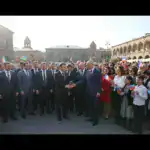
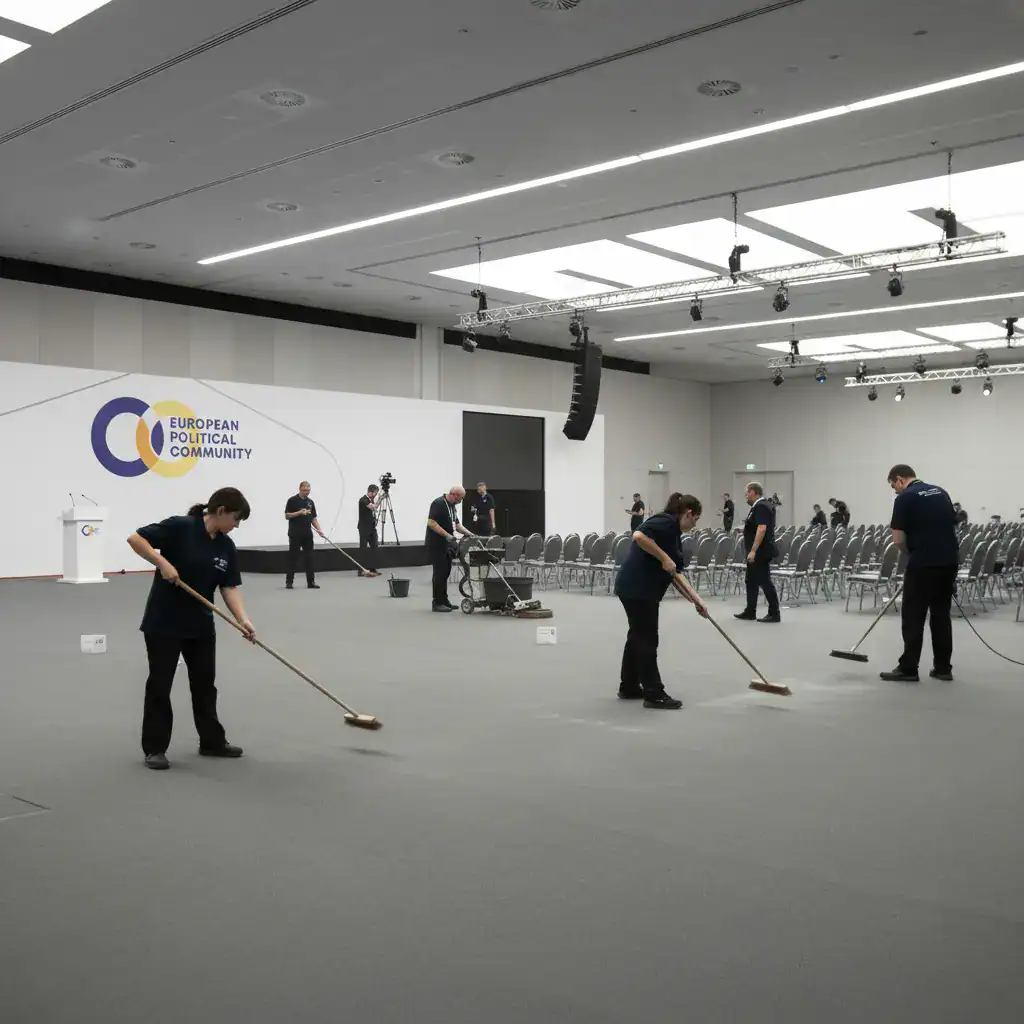
Yerevan, Armenia – On May 5, 2026, a series of high-level meetings between Armenian leadership and European officials concluded in Yerevan. The events, which took place over two days, included the European Political Community (EPC) Summit on May 4, attended by representatives from 27 EU member states and 21 other countries, the Armenia-EU Summit on May 4-5, and a state visit by French President Emmanuel Macron.
Key Outcomes of the Inaugural Armenia-EU Summit
The Armenia-EU Summit, held for the first time, culminated in a 44-point joint declaration, hailing the forum as a "historic milestone for deepening relations" between Yerevan and Brussels. The declaration outlines the parties’ agreed positions on several critical issues, including support for strengthening peace between Armenia and Azerbaijan, normalizing relations between Armenia and Turkey, and expressing concern over the "ongoing war" in Ukraine while supporting all efforts to achieve peace. The EU reiterated its "support for Ukraine’s independence, sovereignty, and territorial integrity within internationally recognized borders." The declaration also includes a general call for de-escalation, restraint, and protection of civilians and infrastructure in the context of "recent developments in the Middle East."
The document also references the EU’s Resilience and Growth Plan for Armenia, adopted in 2024 to support reforms and provide technical and financial assistance. This plan, with a budget of 270 million euros, is effective until 2027. The EU also anticipates investments in Armenia reaching 2.5 billion euros through the "Global Gateway" project, the Union’s strategy for infrastructure and sustainable connectivity investments, with a total fund of 300 billion euros.
Other points in the declaration focus on energy and connectivity, visa liberalization, enhanced cooperation with European structures such as Europol, Eurojust, and Frontex, and cooperation in defense and security. The EU notably welcomed Armenia’s increasing alignment of its policies with the EU’s common foreign and security policy.
Connectivity Partnership and Visa Liberalization Progress
The parties also adopted other documents, including a joint statement on the Connectivity Partnership between Armenia and the European Union. This statement recognizes the strategic importance of three sectors: transport, energy, and digital technologies. Cooperation in these areas involves integrating Armenia into regional transport networks, particularly the Trans-Caspian transport route, supporting the country’s efforts to diversify energy sources and strengthen its electricity grid, and integrating digital systems and involving Armenia in the European digital economy.
Vassilis Maragos, Head of the EU Delegation, also presented the European Commission’s progress report to Arpine Sargsyan, Armenia’s Minister of Internal Affairs, who oversees visa liberalization negotiations with the EU. The European Commission praised Yerevan’s efforts, noting that the country is in an "advanced stage of implementation" in areas such as travel document security, including biometrics, border management, migration, and asylum. Some progress has also been made in ensuring public order, security, and fundamental rights.
EU Partnership Mission and Upcoming Elections
The EU Partnership Mission in Armenia (EUPM Armenia), deployed by the European Union in connection with the June elections, was repeatedly mentioned at the summit. Its two-year mission is to provide expert assistance to Armenia in "combating multi-layered threats such as external information manipulation and interference, and cyberattacks."
One month from now, parliamentary elections will be held in Armenia, and their results will determine who will be the country’s Prime Minister for the next five years. Nineteen political forces have submitted applications to Armenia’s Central Election Commission. According to data from MPG research company (the Armenian branch of Gallup International Association), as of April 30, Nikol Pashinyan’s ruling "Civil Contract" party is leading with 26.7% of the votes, followed by the "Mighty Armenia" alliance with 14.1%, and the opposition "Armenia" alliance with 8.2%.
The election campaign in the republic has been tense and marked by incidents between government officials and the public, who are, among other things, dissatisfied with the government’s policies towards the Armenian Apostolic Church.