
Netherlands Opens Doors for Armenian Flowers to European Market
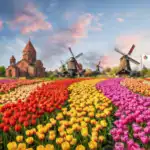
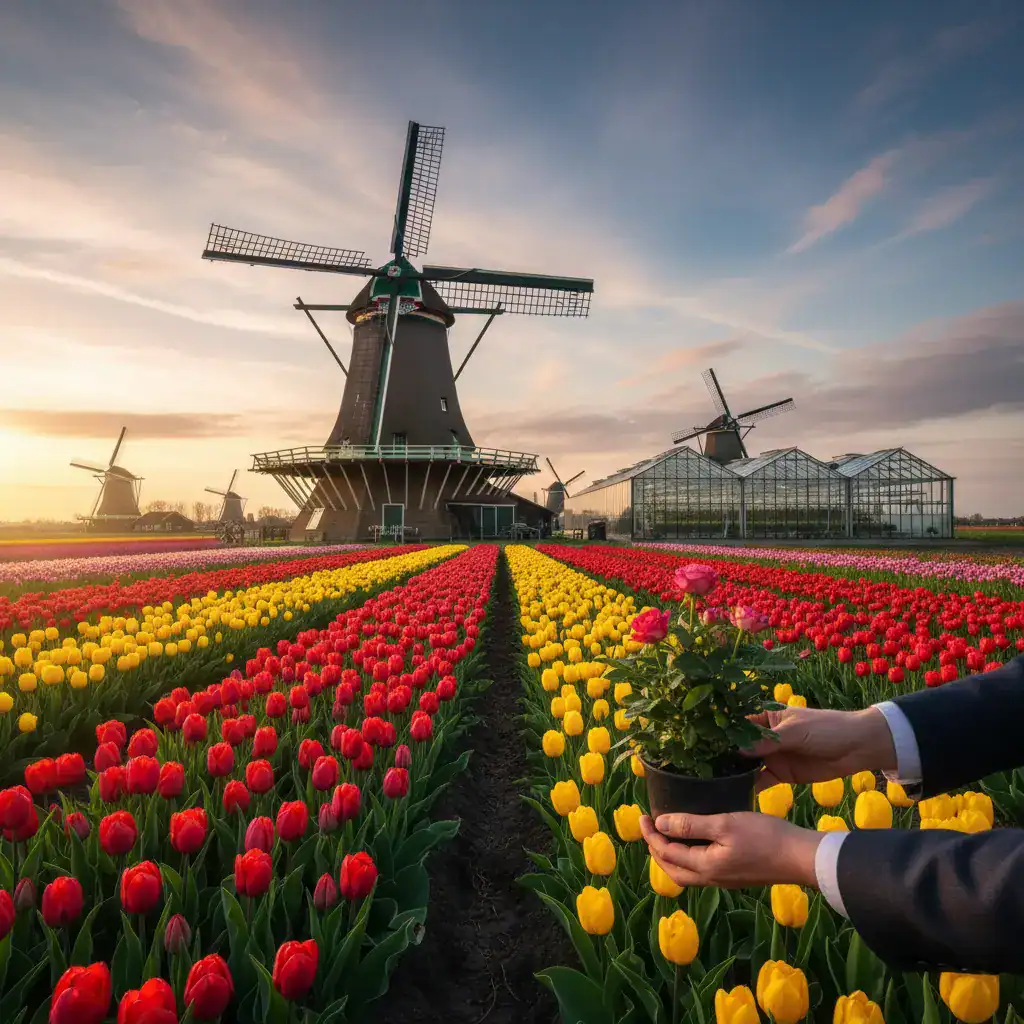
Yerevan, June 8, 2026 – The Netherlands has announced its support for Armenian floriculture, opening the world’s largest cooperative market for flowers and ornamental plants, Royal FloraHolland, to Armenian producers. This move, communicated by Dutch Foreign Minister Tom Berendsen on X (formerly Twitter), will grant Armenian flowers access to buyers throughout Europe and beyond.
Berendsen stated that the Netherlands is supporting the European Union’s aid package for Armenia, previously announced by European Commission President Ursula von der Leyen. Furthermore, the Netherlands has explored practical support measures for the most affected sectors, particularly floriculture.
The diplomat also emphasized the importance of free and fair elections as a cornerstone for a stable and democratic future, a decision, he noted, that rests with Armenia itself.
Royal FloraHolland: A Gateway to Global Markets
Royal FloraHolland, headquartered in the Netherlands, is the world’s largest cooperative trading platform for flowers and ornamental plants. It unites thousands of producers and facilitates the daily trade of millions of flowers and plants through an auction system and a digital platform, connecting suppliers with buyers in Europe and other regions worldwide.
Context: Russian Restrictions and Armenian Export Growth
This development comes after Russia’s Rosselkhoznadzor imposed temporary restrictions on the import of flower products of Armenian origin from May 22, 2026, pending the completion of greenhouse inspections and analysis of their results.
According to data from the Ministry of Economy, Armenian flower exports totaled 566 tons in 2024, increasing to 1,320 tons by the end of 2025. In total, this represents 78 million flowers. The primary markets for Armenian flowers were the EAEU countries and the UAE.
Economic Impact and Future Prospects
The opening of the Royal FloraHolland market is expected to significantly boost Armenia’s floriculture sector, providing a stable and expansive market for its products. This strategic partnership with the Netherlands and access to the EU market could mitigate the impact of previous restrictions and foster further growth in Armenian agricultural exports.
The move aligns with broader efforts to diversify Armenia’s economic partnerships and strengthen its ties with European nations, offering new opportunities for local producers and contributing to the country’s economic resilience.