

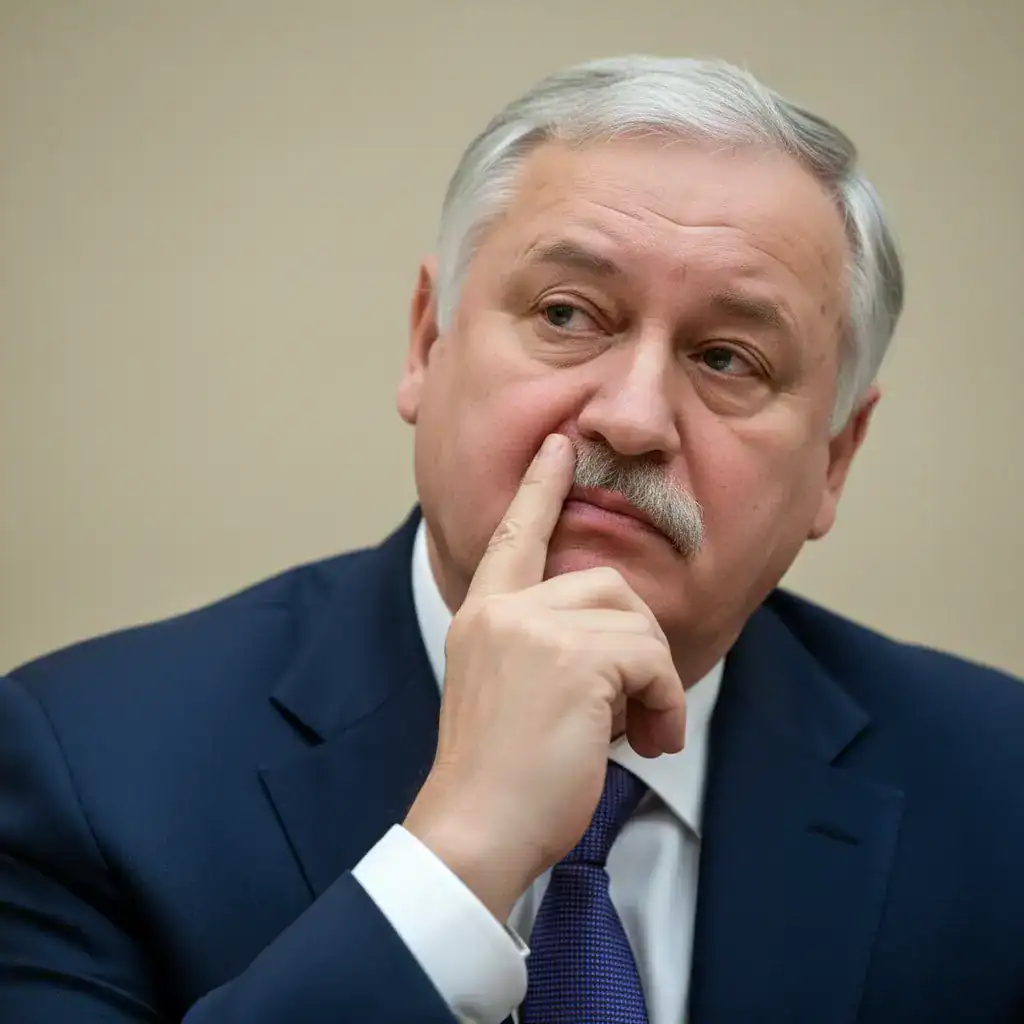
YEREVAN, Armenia – Konstantin Zatulin, First Deputy Chairman of the Russian State Duma Committee for CIS Affairs, Eurasian Integration, and Compatriots, has issued a stark warning regarding the future of Armenian-Russian relations. Speaking at the ‘Primakov Readings’ expert forum yesterday, Zatulin asserted that Armenia’s hopes of maintaining its historical ties with Moscow are ’empty’ given its current political trajectory.
Armenia’s Pro-Western Shift and its Implications
Zatulin expressed his astonishment at what he described as the Armenian authorities’ expectation that Russia would not react to their overtures towards geopolitical adversaries. “I am surprised by the so-called hopes of the Armenian authorities that, despite everything they are doing and are going to do, we should not react or respond to it in any way. It seems to me that these are empty hopes,” Zatulin stated.
He placed full responsibility for the current challenges in Russian-Armenian relations squarely on the Armenian authorities. “The full creator of today’s problems in Russian-Armenian relations is, of course, the Armenian authorities, who, without hiding it, are preparing to fraternize with our geopolitical opponents,” he added. Zatulin highlighted that these opponents have openly declared their goal to achieve Russia’s strategic defeat.
The Russian official further criticized Yerevan for allegedly misleading its own population by suggesting that Russia should not be concerned about being “betrayed” or “abandoned.” He questioned how any other country, including Armenia, would react to such a challenge.
Internal Political Situation in Armenia and External Reactions
Zatulin also touched upon the internal political situation in Armenia, linking it to what he termed the “usurpation” of the elections during the June 7 vote. He reiterated previous statements that there were grounds to consider these elections illegal even before the voting day.
“Repressions have been unleashed, they continue and deepen. Threats, obstacles, and arrests of opposition representatives are multiplying. Pressure is being exerted on the Armenian Church, and secular authorities are interfering in Church affairs, meaning that principles considered universally accepted in the civilized world are being violated,” Zatulin elaborated.
While acknowledging these as Armenia’s internal affairs, Zatulin asserted that external actors, including the European Union, the United States, and Russia, have the right to comment on them. He emphasized that ties between Russia and Armenia would continue to develop with those who seek such cooperation. However, he stressed that this does not imply an acceptance of the legitimacy of the recent elections.
“There is a difference between de jure and de facto. And I think that Mr. Pashinyan understands this well. And, trying to downplay the significance of this fact, he pretends that he doesn’t care,” Zatulin concluded, underscoring Moscow’s critical view of the current political landscape in Armenia.
Source: arminfo.info