

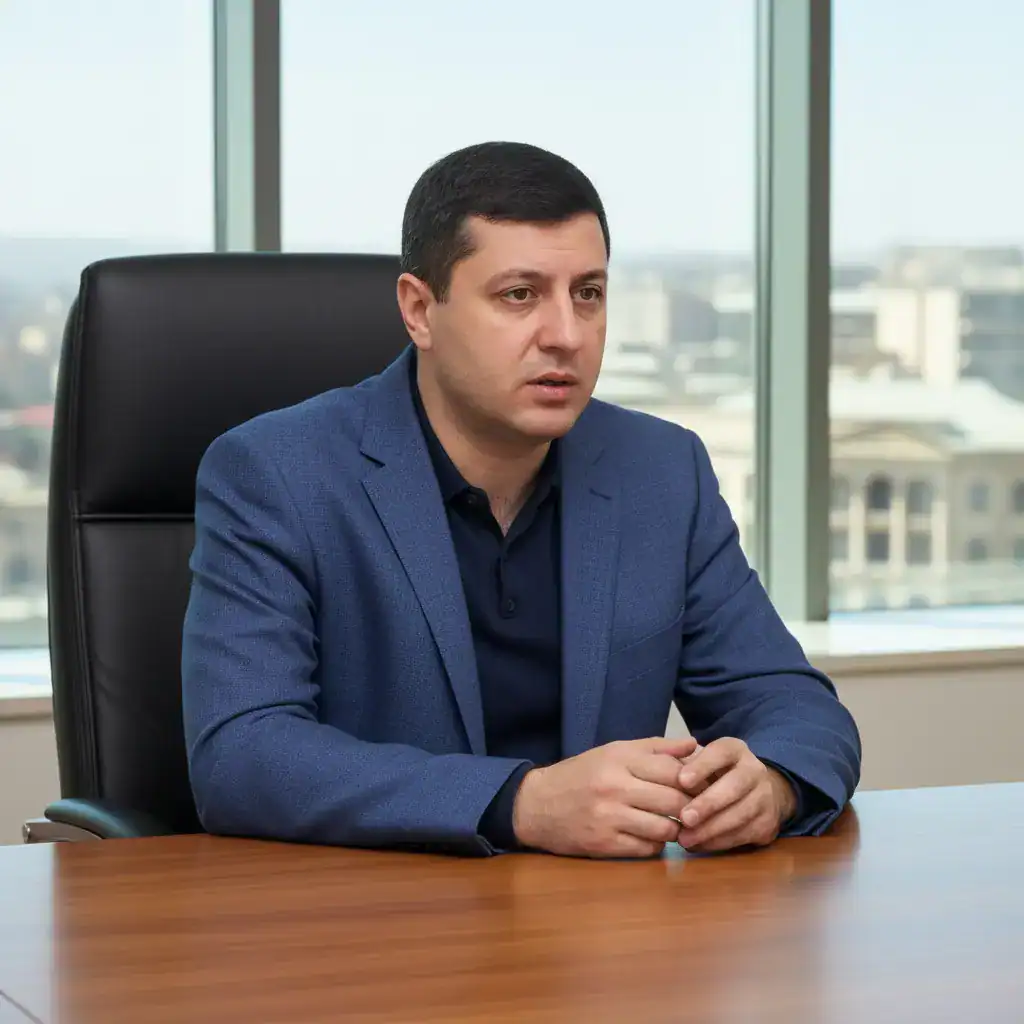
Yerevan, August 15 – Tigran Abrahamyan, Secretary of the ‘I Have Honor’ faction, has issued a scathing critique of the current Armenian government, alleging that its policies are tantamount to ‘bargaining’ with the nation’s interests. Abrahamyan’s statement, released yesterday, painted a grim picture of the political landscape, citing various grievances against the ruling administration.
Abrahamyan’s Accusations: ‘Bargaining’ and Suppression
According to Abrahamyan, the government’s purported ‘politeness’ is merely a facade for actions that undermine the country. He specifically mentioned the confiscation of people’s property, the suppression of political dissent, and a general disdain for principles and morality. These actions, he claims, are carried out under a veil of blackmail, disrespect, and provocation.
“Under the mask of ‘politeness’ of this government lies the bargaining of Armenia, the confiscation of people’s property, the rejection of political dissent, and the hatred of principles and morality,” Abrahamyan stated in his address. He emphasized that this alleged ‘politeness’ is reserved only for countries that are hostile towards Armenia, specifically mentioning Turkey and Azerbaijan.
Abrahamyan further asserted that anyone failing to grasp this “simple truth” has no future in politics, implying a stark warning to those who might be complicit or unaware of the government’s alleged true intentions.
Wider Implications and Regional Context
Abrahamyan’s comments come amidst a backdrop of ongoing regional developments and domestic political tensions. Recent news from the region includes Russia’s Foreign Ministry responding to Ankara’s proposals, and discussions surrounding Armenian exports to Azerbaijan, as well as Armenia’s pursuit of energy independence.
The criticism from the ‘I Have Honor’ faction underscores deeper divisions within Armenian politics regarding the country’s direction and its relationships with neighboring states. The accusations of ‘bargaining’ with national interests resonate with concerns about sovereignty and the long-term stability of Armenia in a complex geopolitical environment.
Ongoing Issues and Government Response
While Abrahamyan’s statement focuses on the broader political climate, other news items from Armenia highlight various domestic issues. These include investigations into drug and mobile phone discoveries in correctional facilities, changes in the provision of new biometric passports and ID cards, and legal proceedings related to electoral coercion.
There has been no immediate official response from the Armenian government to Abrahamyan’s specific accusations. However, the ongoing political discourse suggests a deepening rift between the ruling power and opposition factions, with significant implications for the country’s future trajectory.
The ‘VERELQ’ information-analytical center, which published Abrahamyan’s statement, is dedicated to studying and covering important events in Armenia’s socio-political and economic spheres, as well as the role of the Armenian diaspora worldwide. The center aims to strengthen Armenian statehood and promote the country’s progress through the efforts of professional journalists and experts.