
Exhibition “Identity, Memory, and Survival: Armenian Children During the Genocide” to Open in Yerevan
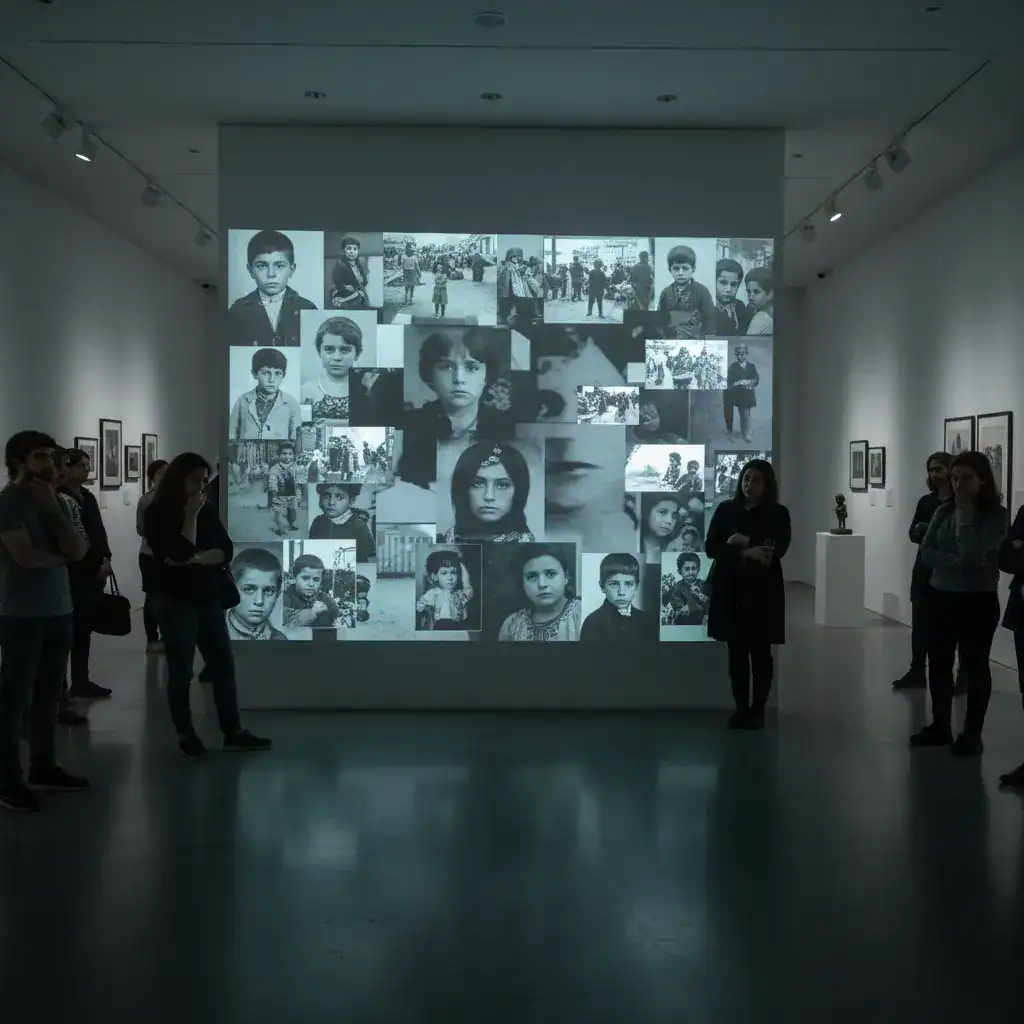
Yerevan, April 17 – On April 18, at 13:00, the Armenian Genocide Museum-Institute (AGMI) will host the opening of a temporary exhibition titled “Identity, Memory, and Survival: Armenian Children During the Genocide.” The exhibition, located in the Jansem Gallery of the AGMI, is the result of a collaborative project involving three student groups, who have been mentored by the museum’s staff.
A Collaborative Educational Project
The exhibition is part of the “Collective Memory: Engaging Youth in Curatorial Activities” (COREM) program. This initiative, launched in September 2025 in cooperation with Pompeu Fabra University in Spain and the AGMI, aims to actively involve teenagers in teaching about 20th-century genocides and preserving their memory. The program has engaged 27 students from four Yerevan schools: Argishti the First King Basic School No. 61, Nelson Stepanyan Basic School No. 71, Leo Tolstoy Basic School No. 128, and Armen Hovhannisyan Basic School No. 194. Additionally, two coordinating students from the “Aralez” NGO participated.
Student-Led Initiatives and Handcrafted Works
During the opening, the students will also present a sale exhibition of their handcrafted works, including dolls, belts, and recycled paper items. These were created during practical training sessions held within the COREM program. The initiative highlights the students’ engagement and creative approach to understanding and commemorating historical events.
Program Highlights and International Collaboration
From the outset of the program, participating students attended a lecture on “Forced Assimilation of Armenian Children During the Genocide.” The program will conclude on April 24 with a final online meeting, bringing together participants from other involved countries, Poland and Bosnia and Herzegovina, fostering international dialogue and shared learning experiences.
Significance of the Exhibition
This exhibition serves as a vital platform for educating the public, particularly younger generations, about the Armenian Genocide through the lens of children’s experiences. By involving students directly in the curatorial process, the AGMI aims to ensure that the memory of these tragic events is preserved and understood by future generations, promoting a deeper understanding of identity, memory, and survival.
The Armenian Genocide Museum-Institute continues its mission to research, document, and present the history of the Armenian Genocide, contributing to global efforts in genocide prevention and human rights education.