
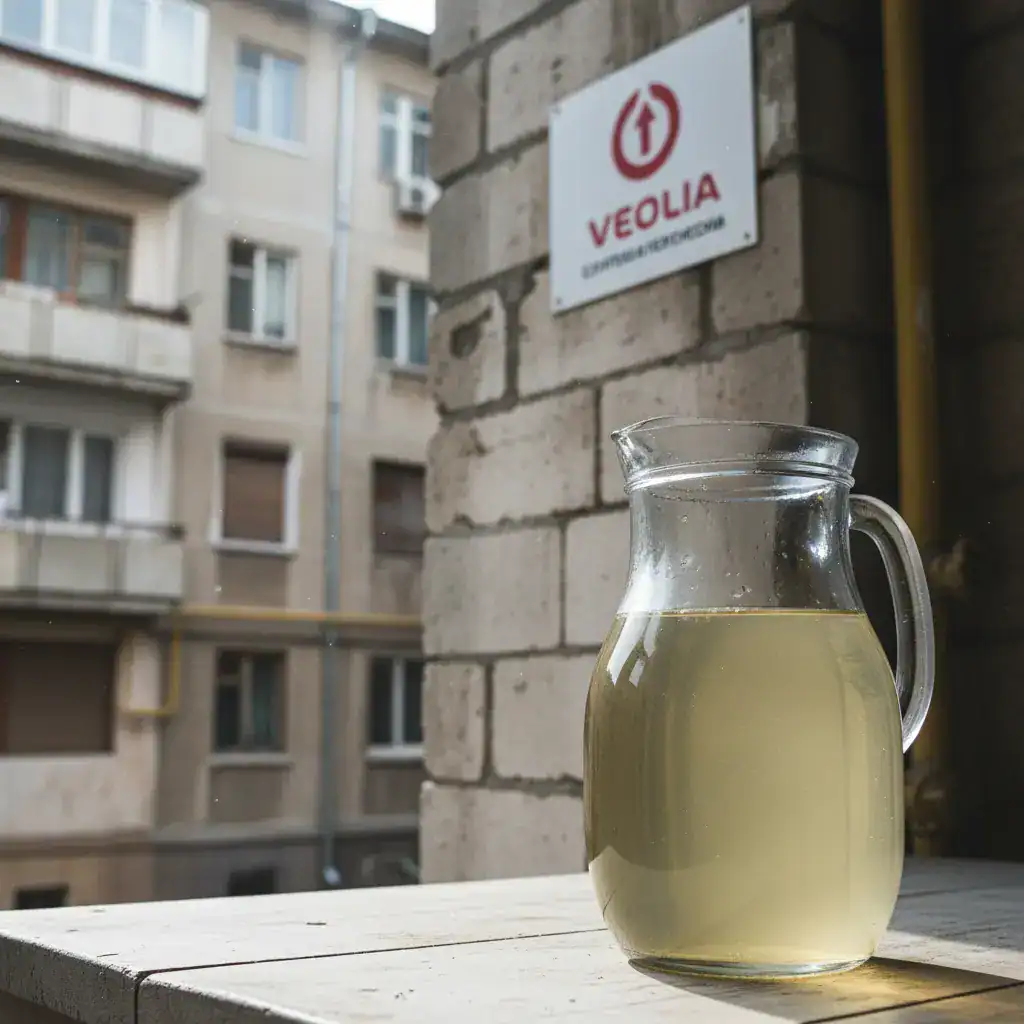
Yerevan, September 25 – Residents of the Armenian capital are facing significant concerns over the safety of their tap water following a major pipeline accident. The incident, which occurred on September 23 on the Arzakanyan-Kanaker-Zovuni main pipeline, has led to widespread reports of discolored, turbid, and foul-smelling water flowing from household taps across various districts.
Public Health Warning Issued Amidst Water Crisis
In response to numerous public complaints and social media reports, the National Center for Disease Control and Prevention (NCDC) issued a public warning on September 24. The NCDC advised residents to refrain from using tap water for drinking or cooking if they notice any changes in its taste, odor, or color, recommending the use of boiled or bottled water instead until official assurances of safety are provided. This marks a critical intervention from a state health authority, effectively urging citizens to distrust their immediate water supply.
Conflicting Statements from Water Utility and Health Officials
Despite the NCDC’s cautionary stance, “Veolia Jur,” the company responsible for Yerevan’s water supply, has offered a different perspective. The utility company acknowledged that the pipeline accident and subsequent changes in water flow might cause temporary turbidity. However, “Veolia Jur” stated that chlorine levels were recorded at all monitored sampling points, asserting that there are no qualitative issues with the water and that the situation is related solely to the technical condition of the pipeline.
This discrepancy has created confusion and distrust among the populace. On one hand, the utility company assures that the water is safe, while on the other, the NCDC advises against its consumption if visual or olfactory changes are present. This contradictory messaging highlights a significant challenge in public communication and crisis management.
Impact on Residents and Broader Implications
The immediate consequence of the crisis has been a rush to stores for bottled water, with reports of long queues and empty shelves across Yerevan. This situation goes beyond a mere inconvenience; it raises serious questions about public safety and confidence in essential services. Residents are left to determine the safety of their water based on its appearance, rather than relying on clear, unified guidance from responsible authorities.
This incident is not isolated. Earlier in September, residents of Byureghavan were also advised to avoid tap water due to an outbreak of intestinal infections, although subsequent tests found no inconsistencies in water samples. While the causes of the two incidents may differ, they collectively underscore a pressing need for more rapid and effective state oversight of drinking water safety in Armenia.
Accountability and Infrastructure Concerns
The recurring nature of these water-related issues prompts a broader discussion on the state of Armenia’s water infrastructure and the effectiveness of its management. “Veolia Jur”‘s activities are subject to independent technical audits as per contractual agreements. The Water Committee announced in August that an independent auditor would assess the quality of the company’s services and its compliance with contractual indicators, with penalties in place for non-compliance.
The public now awaits the findings of this audit and whether any party will be held accountable for the current situation. The incident in Yerevan is not merely about a pipeline failure; it is a profound question of public health, governance, and the fundamental right of citizens to access safe drinking water. Authorities cannot simply dismiss the issue with routine announcements about ongoing repair work. Transparency and accountability are crucial to restoring public trust and ensuring that such critical infrastructure failures do not jeopardize the well-being of the population.
Source: pastinfo.am