
Yerevan Air Quality: Dust and Nitrogen Dioxide Levels Exceed Permissible Norms
Yerevan, August 22, 2026 – The Hydrometeorology and Monitoring Center has released its atmospheric air quality report for Yerevan for the period of August 12 to August 18, 2026. The findings indicate that concentrations of dust and nitrogen dioxide have surpassed maximum permissible levels in various parts of the city, raising environmental and public health concerns.
Elevated Dust Levels Recorded Across City Districts
The report highlights that dust content in the atmospheric air exceeded the maximum permissible concentration (MPC) in several key areas:
- Center District: Elevated dust levels were observed from August 13 to August 17.
- Arabkir District: Increased dust concentrations were recorded on August 15 and 16.
- Shengavit District: Dust levels did not exceed the MPC during the reported period.
- Nor Nork District: Dust levels remained within permissible limits.
These findings suggest a widespread issue with particulate matter, which can have adverse effects on respiratory health, especially for vulnerable populations.
Nitrogen Dioxide Concentrations Also Above Norms
In addition to dust, nitrogen dioxide (NO2) levels also surpassed the maximum permissible concentration in multiple districts:
- Center District: NO2 levels exceeded the MPC on August 12 and consistently from August 15 to August 18.
- Nor Nork District: Elevated NO2 concentrations were noted on August 12 and from August 15 to August 18.
- Arabkir District: NO2 levels were above the norm on August 17 and 18.
- Shengavit District: Nitrogen dioxide concentrations did not exceed the MPC.
Nitrogen dioxide is a common air pollutant primarily originating from vehicle emissions and industrial processes. High levels of NO2 can contribute to respiratory problems and other health issues.
Sulfur Dioxide Levels Remain Within Permissible Limits
The report also noted that sulfur dioxide (SO2) content in the atmospheric air did not exceed the maximum permissible concentration in any of the monitored districts during the specified period. This indicates that at least one major industrial pollutant remained under control.
Context and Previous Air Quality Concerns
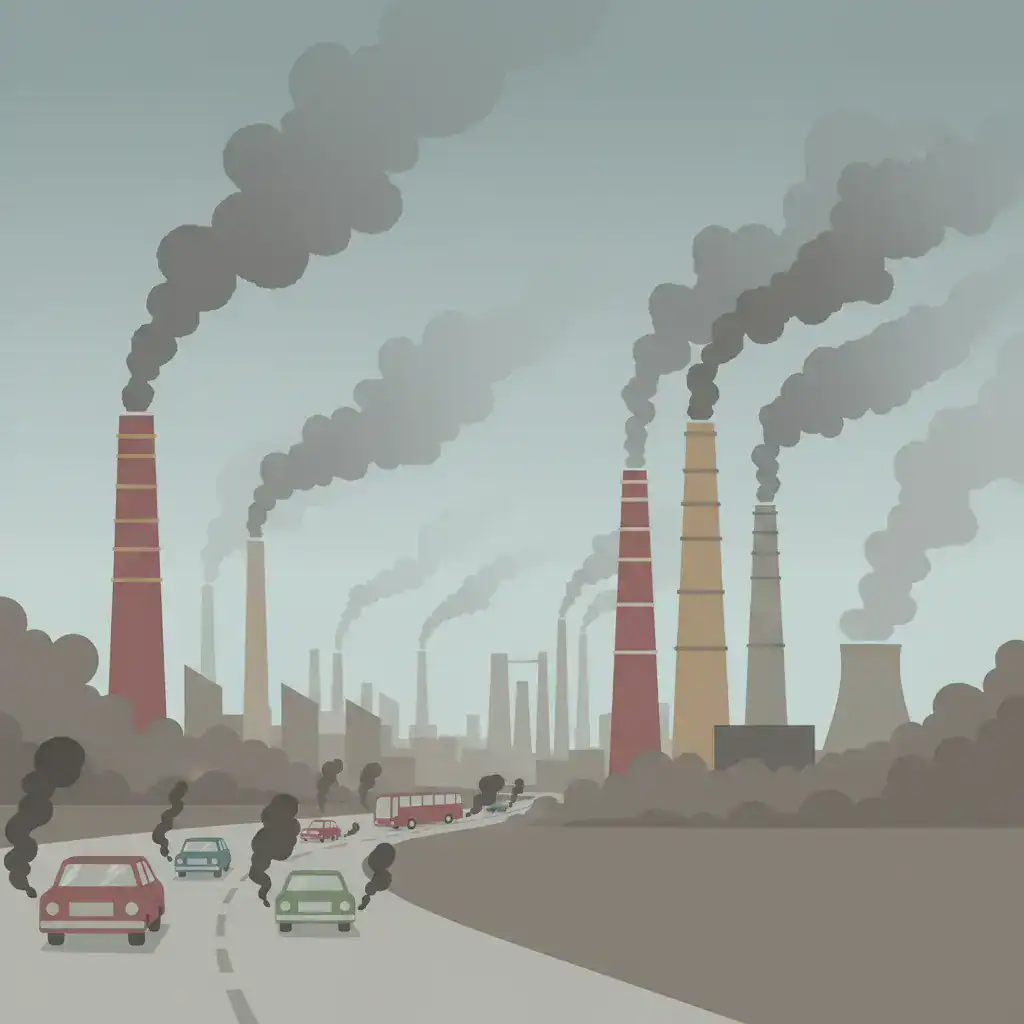
This is not the first instance of Yerevan facing air quality challenges. Previous reports and public discussions have frequently highlighted the issue of air pollution in the Armenian capital. Factors contributing to this problem often include:
- Increased vehicular traffic and older vehicle fleets.
- Industrial emissions.
- Construction activities.
- Geographical features that can trap pollutants.
Experts and environmental activists have consistently called for more stringent measures to combat air pollution, including promoting public transport, encouraging the use of electric vehicles, regulating industrial emissions, and implementing green urban planning initiatives.
Public Health Implications and Recommendations
Elevated levels of dust and nitrogen dioxide can pose significant health risks. Fine particulate matter (dust) can penetrate deep into the lungs, leading to respiratory and cardiovascular diseases. Nitrogen dioxide can exacerbate asthma and other respiratory conditions.
Residents, especially those in affected areas, are advised to:
- Limit outdoor activities during peak pollution times.
- Keep windows closed when air quality is poor.
- Use air purifiers indoors if possible.
- Consult healthcare professionals if experiencing respiratory symptoms.
The Hydrometeorology and Monitoring Center continues to monitor air quality across Yerevan, providing crucial data for public awareness and policy-making. The ongoing challenge of air pollution necessitates a concerted effort from government bodies, industries, and citizens to ensure a healthier urban environment.
The full statistical data on the air quality for August 2026 is expected to be further analyzed and may inform future environmental policies aimed at mitigating pollution in Yerevan.
Source: https://www.pastinfo.am/hy/news/2026/08/22/885470/1978479