

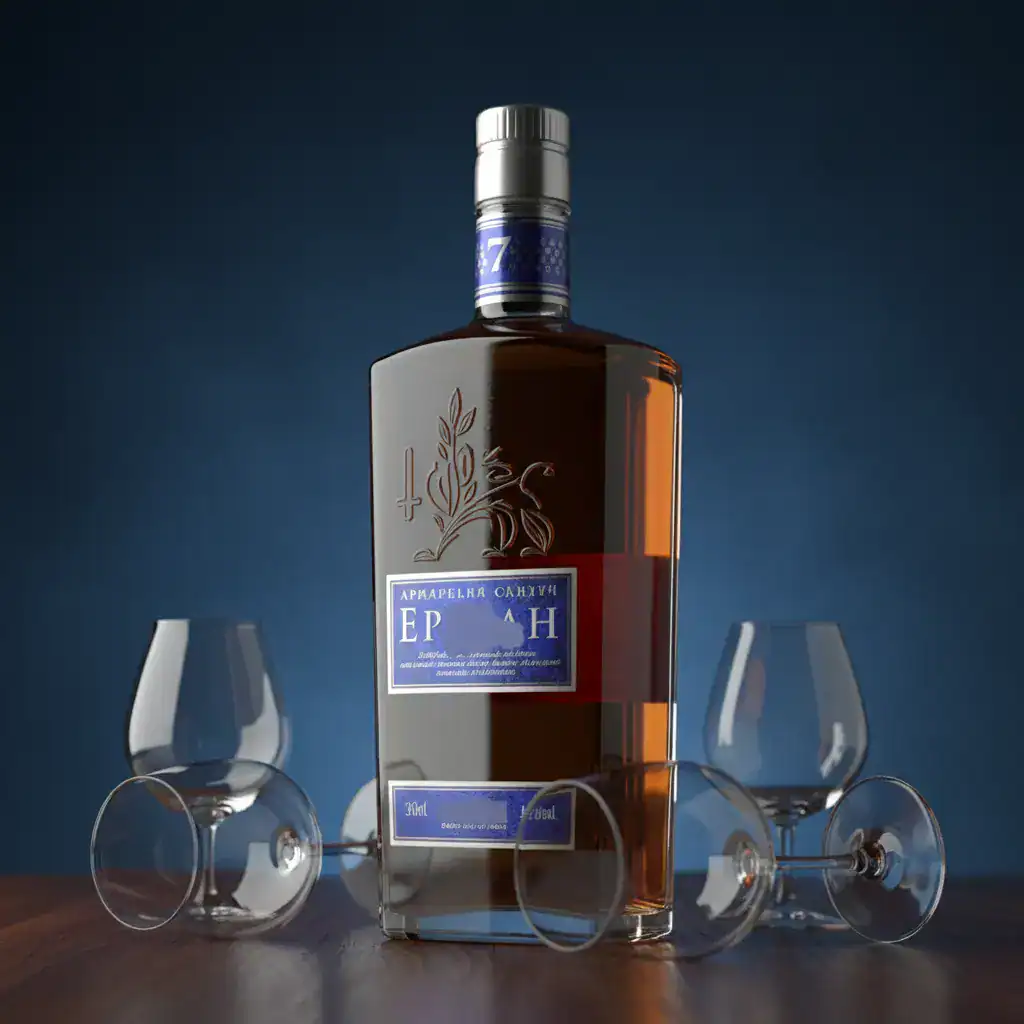
MINSK, BELARUS – The State Committee for Standardization of Belarus has imposed a ban on the import, sale, and circulation of the Armenian-produced “Yerevan 2800” eight-year-old brandy within the country. This decision, announced yesterday, September 3, 2026, follows laboratory examinations that revealed the product failed to meet established quality requirements regarding its tannin content.
Quality Standards Not Met
According to the Belarusian agency, the laboratory tests showed that the mass concentration of tannins in the brandy was significantly below the minimum acceptable norm. While the standard requires a minimum of 0.3 g/dm³, the “Yerevan 2800” brandy tested at only 0.14 +- 0.01 g/dm³.
The Belarusian side stated that this non-compliance means the product cannot be identified as the type of product under which it is presented on the market. This discrepancy in quality has led to the immediate ban.
Producer Identified as “MAP” CJSC
The “Yerevan 2800” brandy is produced by “MAP” CJSC, a company operating in the Armavir region of Armenia. The product has been added to the state registry of hazardous products, and the validity of its conformity assessment documents has been suspended.
This move by Belarus underscores a commitment to enforcing national quality standards for imported goods, ensuring that products available to consumers meet specified health and safety criteria.
Broader Context of Armenian Alcohol Sales
This ban comes at a time when sales of Armenian cognac and wine in Russia have reportedly decreased by 11-12%. While the Belarusian ban is specific to a quality issue, it adds to a challenging period for Armenian alcohol exports in the region.
The incident also highlights the importance of stringent quality control for producers aiming to maintain their market presence and reputation in international markets. Companies must ensure their products consistently adhere to the regulatory standards of importing countries to avoid such restrictions.
Implications for Future Trade
The decision by Belarus could prompt other countries to review their import standards for similar products, potentially leading to increased scrutiny of Armenian alcoholic beverages. For “MAP” CJSC, this ban will necessitate a thorough review of their production processes and quality control measures to regain access to the Belarusian market and prevent similar issues elsewhere.
The Armenian government and relevant industry associations may need to engage with Belarusian counterparts to understand the full scope of the issue and implement corrective actions to support local producers in meeting international standards.
Source: https://www.pastinfo.am/hy/news/2026/09/03/665841/1979688