

Gyumri’s Blacksmithing Tradition Gains UNESCO Recognition
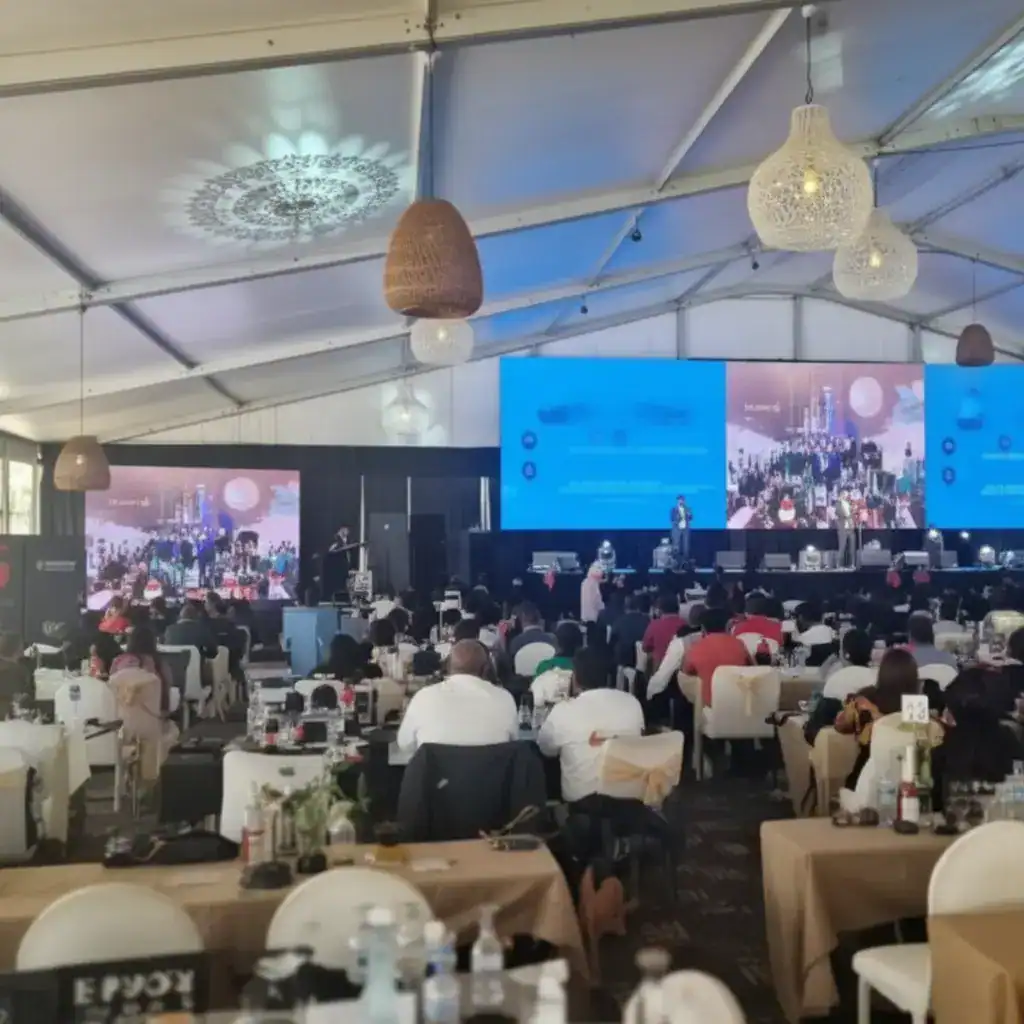
Yerevan, December 5, 2023 – The ancient and vibrant blacksmithing tradition of Gyumri, Armenia, has achieved international recognition by being officially inscribed on UNESCO’s Representative List of the Intangible Cultural Heritage of Humanity. This significant decision was made during the 18th session of the Intergovernmental Committee for the Safeguarding of the Intangible Cultural Heritage, which took place in Kasane, Botswana, from December 4 to 9, 2023.
Blacksmithing has historically been a widespread craft throughout Armenia. However, it found its most complete expression and experienced a flourishing period as an urban craft in Gyumri during the 19th century. The inclusion of this national tradition, passed down from generation to generation, in UNESCO’s prestigious list is crucial for ensuring its viability, valorization, and promotion on a global scale.
Armenia’s Growing Presence on UNESCO’s Heritage Lists
The Republic of Armenia ratified the 2003 UNESCO Convention for the Safeguarding of the Intangible Cultural Heritage in 2006. Since then, several elements of Armenian culture have been inscribed on UNESCO’s Representative List of the Intangible Cultural Heritage of Humanity, demonstrating the country’s rich and diverse cultural heritage.
Previous Armenian inscriptions include:
- Duduk and its music (2008)
- Armenian cross-stone art. Symbolism and craftsmanship of Khachkars (2010)
- Performance of the Armenian epic of ‘Daredevils of Sassoun’ or ‘David of Sassoun’ (2012)
- Lavash, the preparation, meaning and appearance of traditional bread as an expression of culture in Armenia (2014)
- Kochari, traditional group dance (2017)
- Armenian letter art and its cultural expressions (2018)
- Pilgrimage to the St. Thaddeus Apostle Monastery (2020), submitted jointly with the Islamic Republic of Iran.
The latest addition of Gyumri’s blacksmithing tradition further solidifies Armenia’s commitment to preserving and promoting its unique cultural practices for future generations and the global community.
The Significance of Blacksmithing in Gyumri
Gyumri, known for its distinct architectural style and rich cultural heritage, has long been a center for traditional crafts. Blacksmithing, in particular, played a vital role in the city’s economic and social life, producing intricate ironwork for buildings, household items, and decorative pieces that are still admired today. The craft is characterized by its unique techniques, artistic expressions, and the deep knowledge passed down through families and workshops.
This UNESCO inscription is expected to bring increased attention to Gyumri’s cultural landscape, fostering tourism and encouraging younger generations to learn and continue this invaluable craft. It also highlights the importance of traditional craftsmanship in contemporary society and its contribution to cultural diversity worldwide.
Future Prospects for the Tradition
The Ministry of Foreign Affairs of Armenia emphasizes that this recognition will contribute significantly to the preservation and transmission of the blacksmithing tradition. It will also facilitate international cooperation and exchange of best practices in safeguarding intangible cultural heritage. Efforts will now focus on developing programs and initiatives to support the blacksmithing community in Gyumri, ensuring the continuity and vitality of this cherished art form.
The inscription serves as a testament to the enduring legacy of Armenian craftsmanship and its profound cultural significance.
Source: https://www.mfa.am/hy/press-releases/2023/12/05/UNESCO_Gyumri/12396